
Sunbeams Music Centre

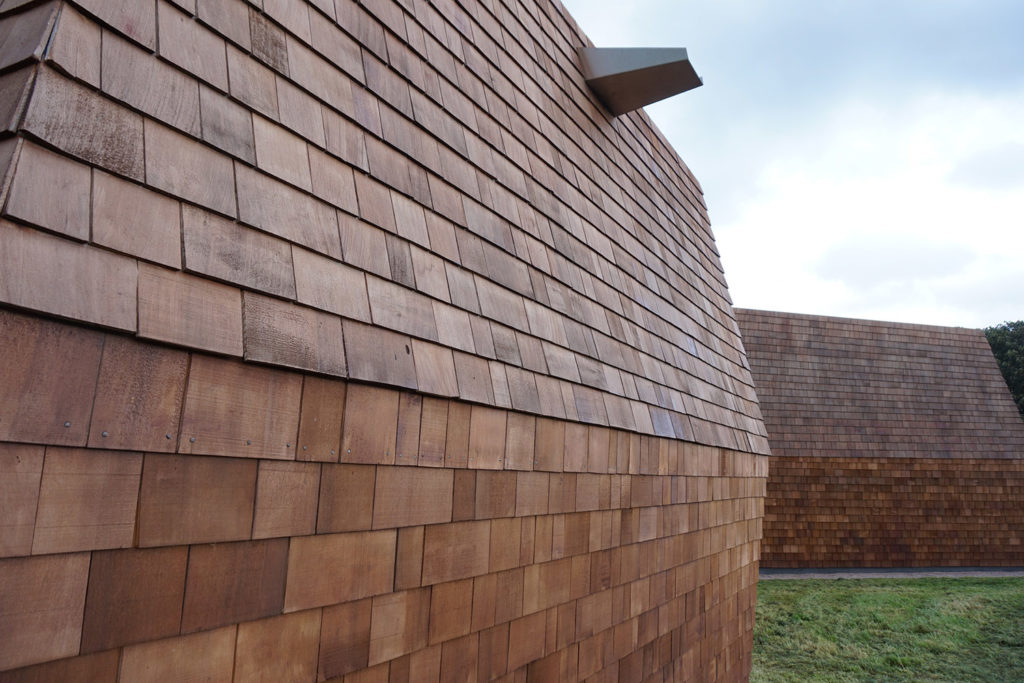
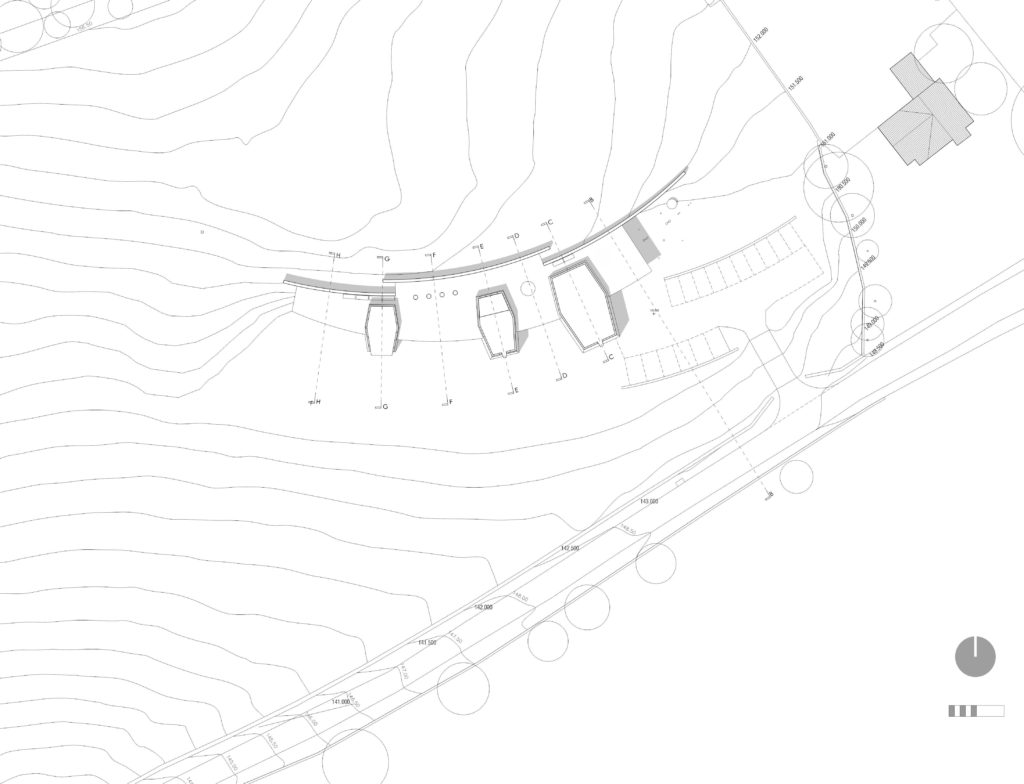
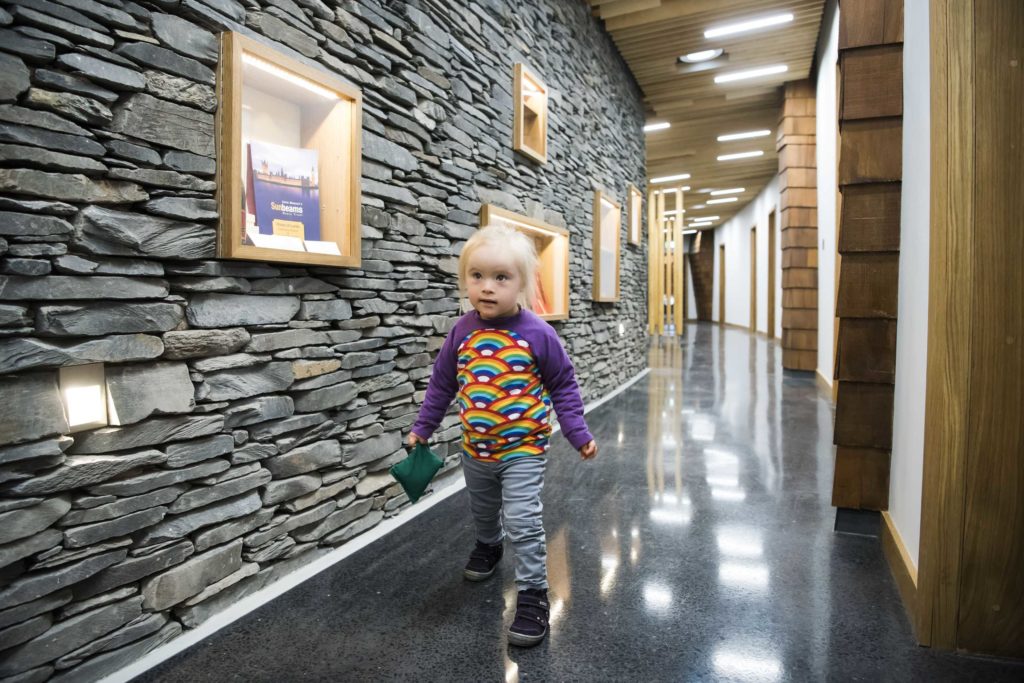
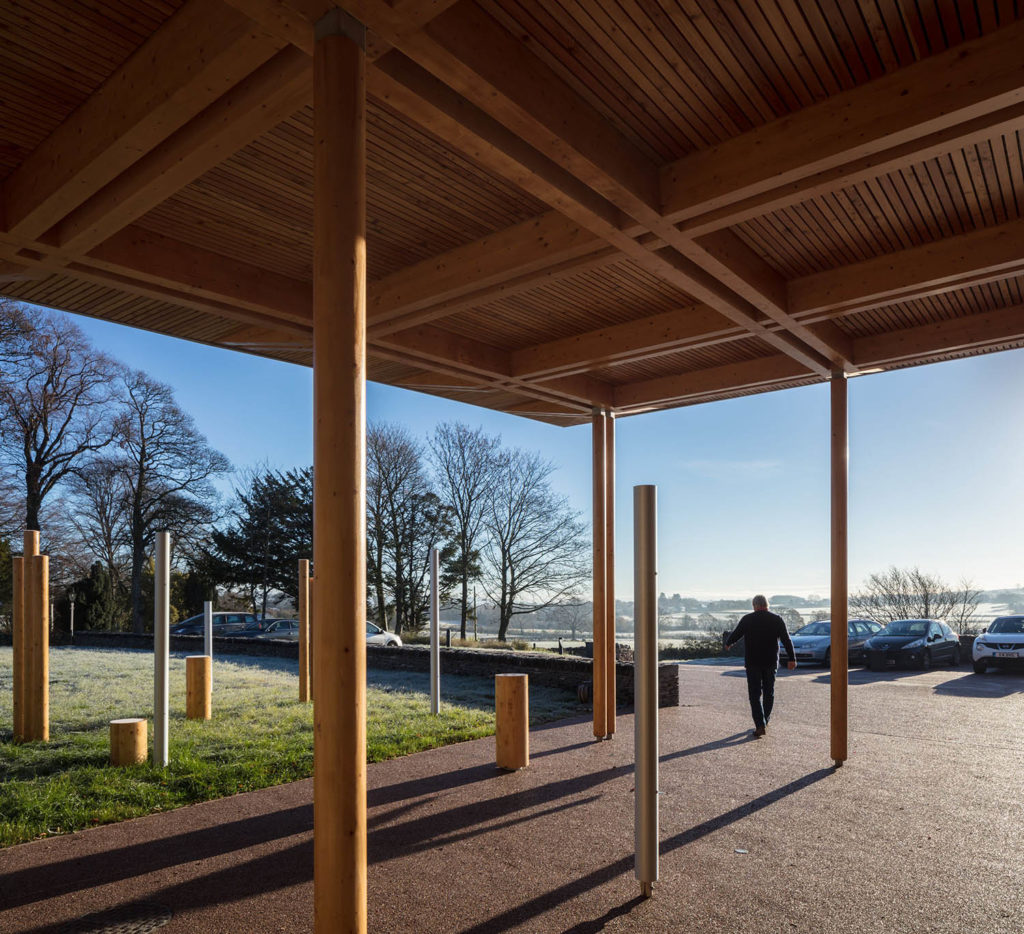
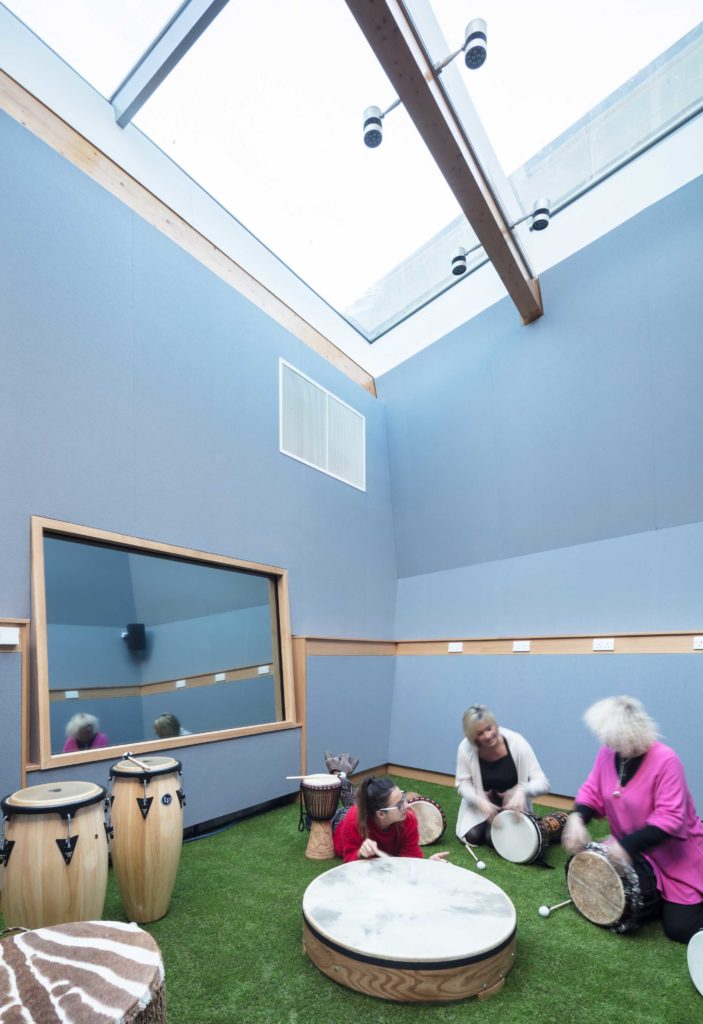
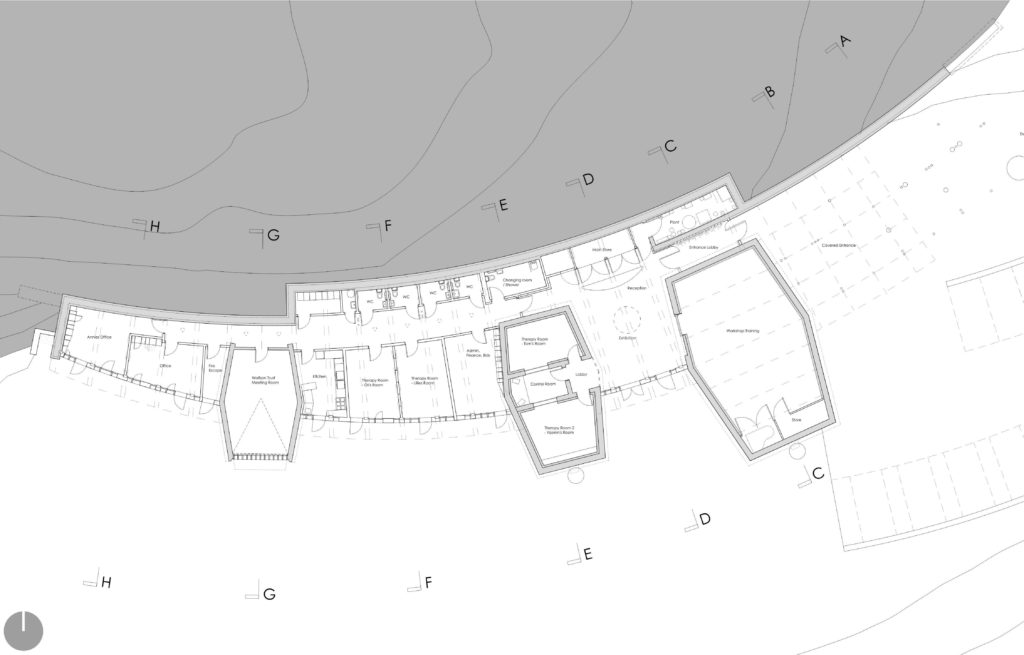
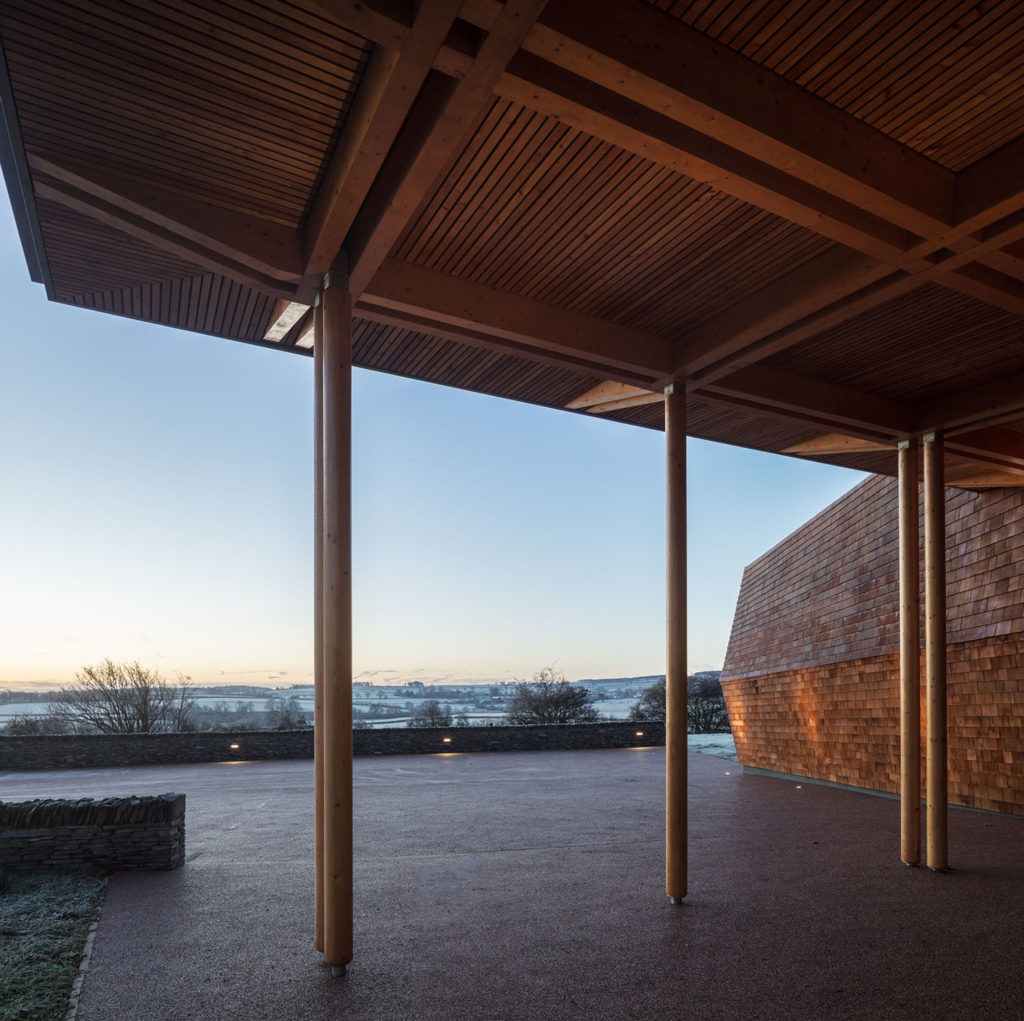
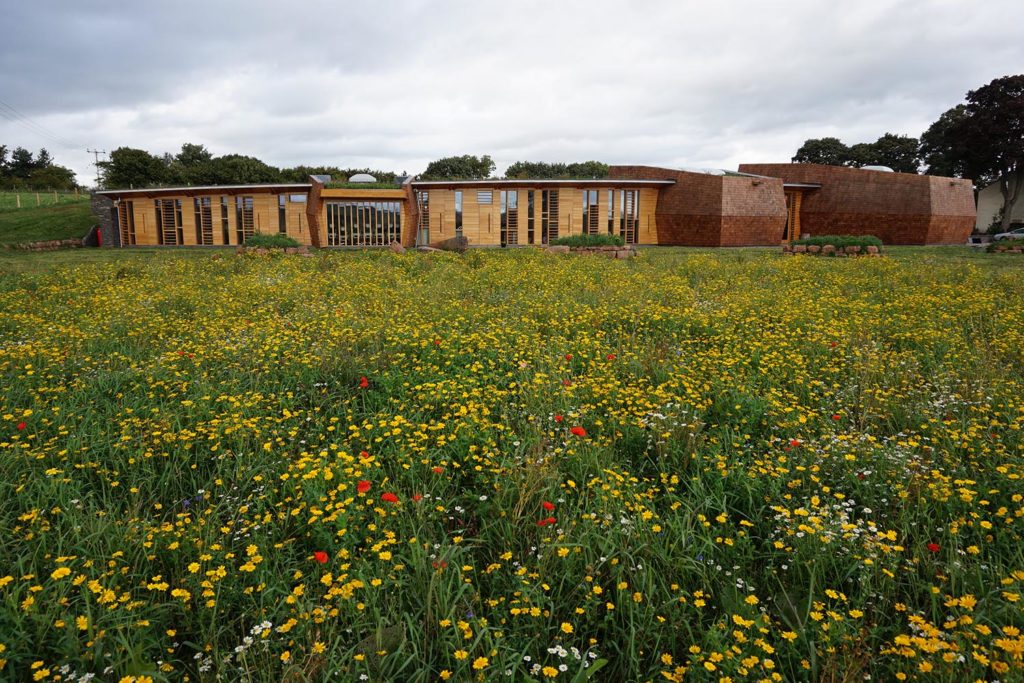
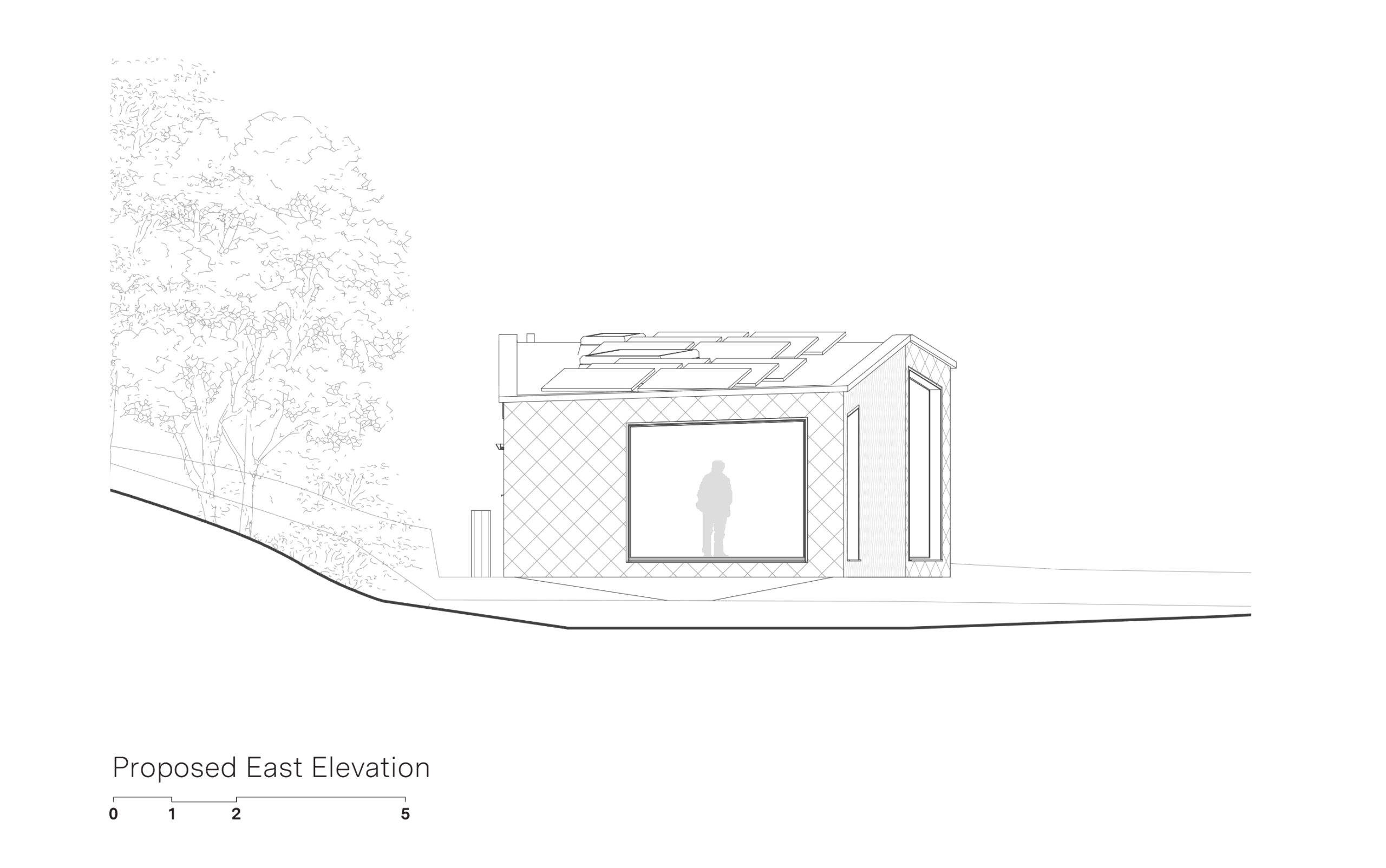
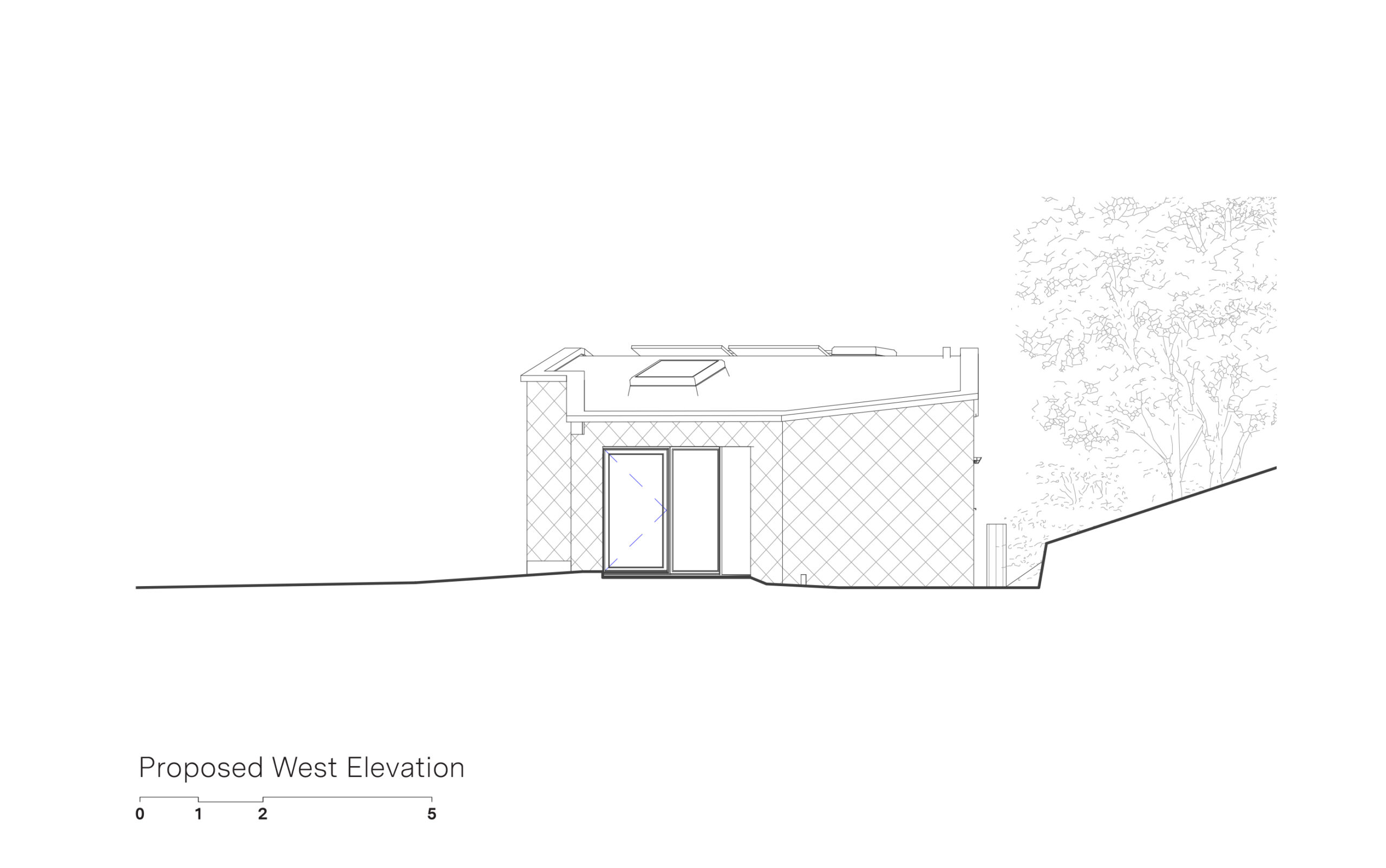
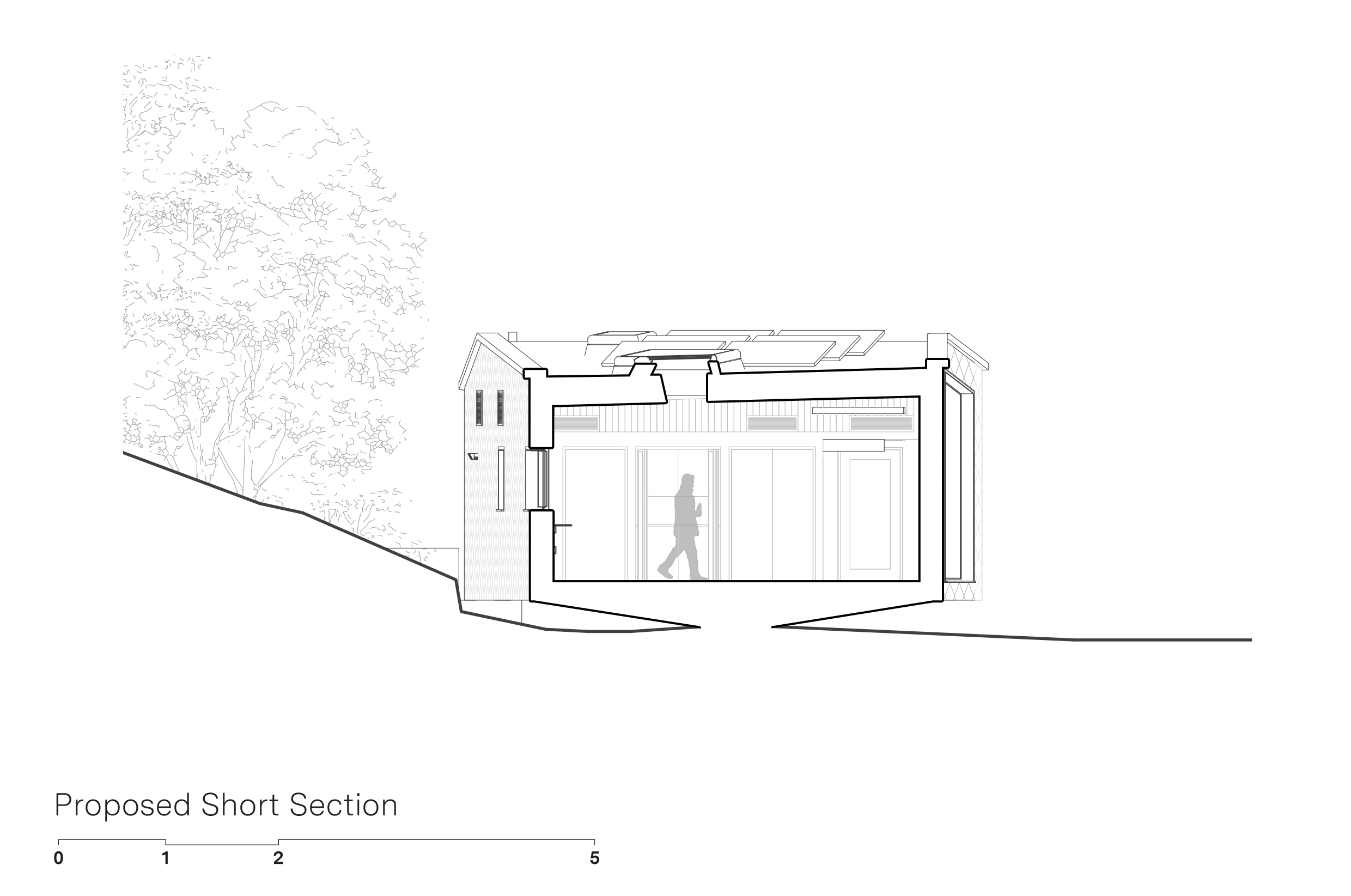
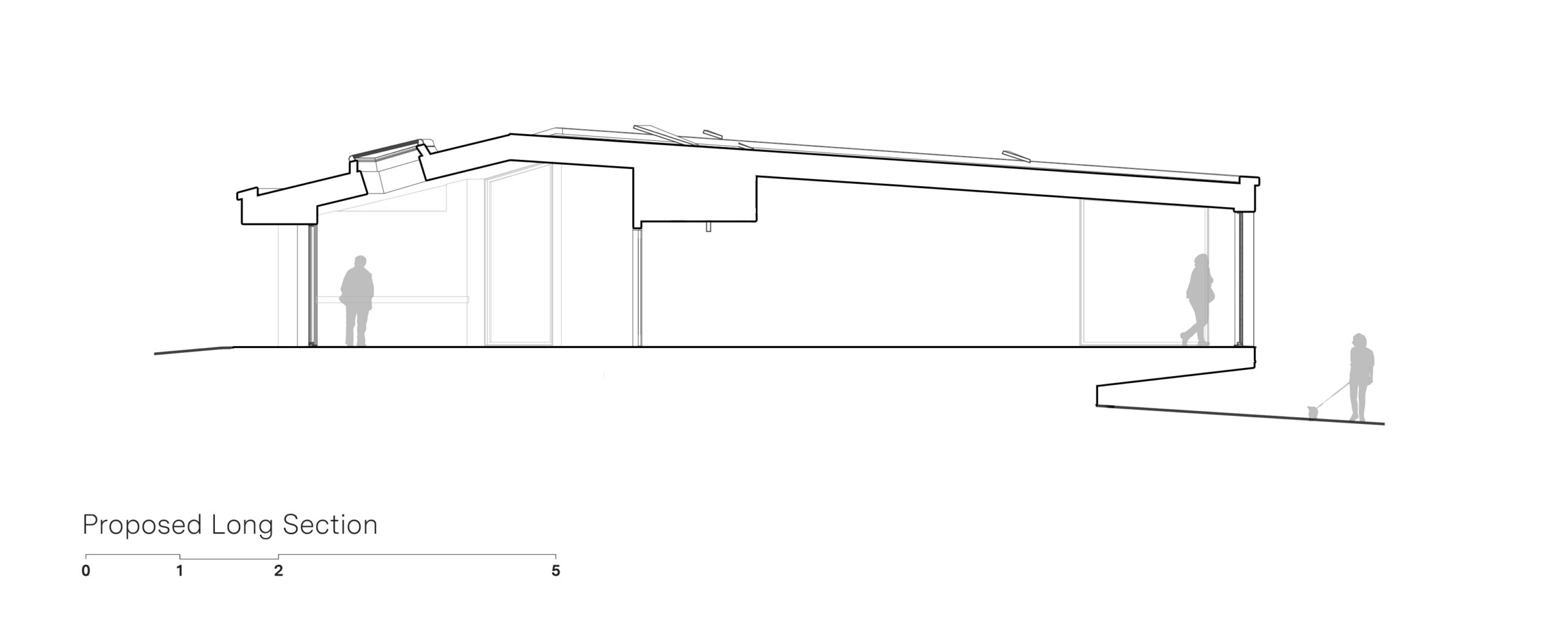
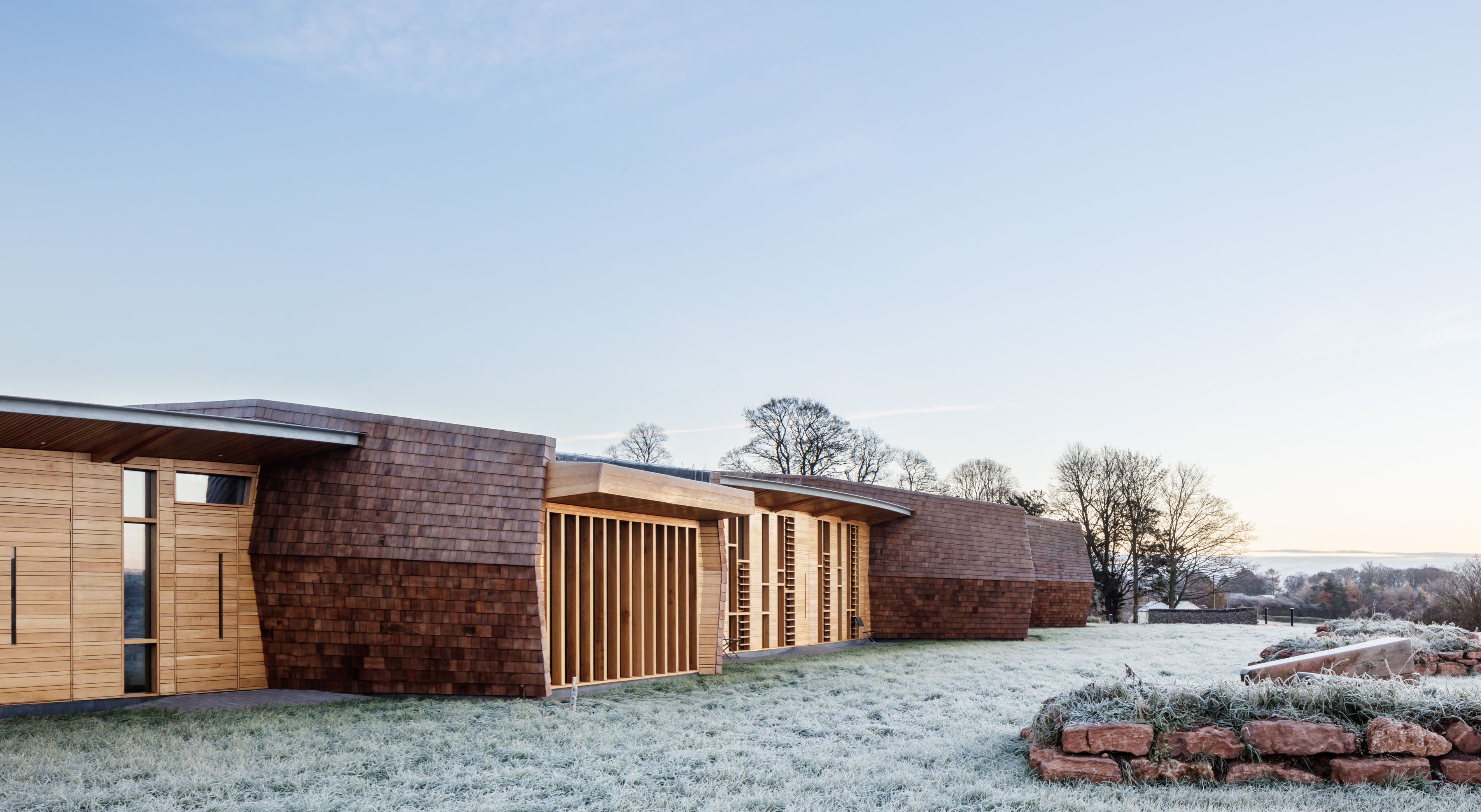
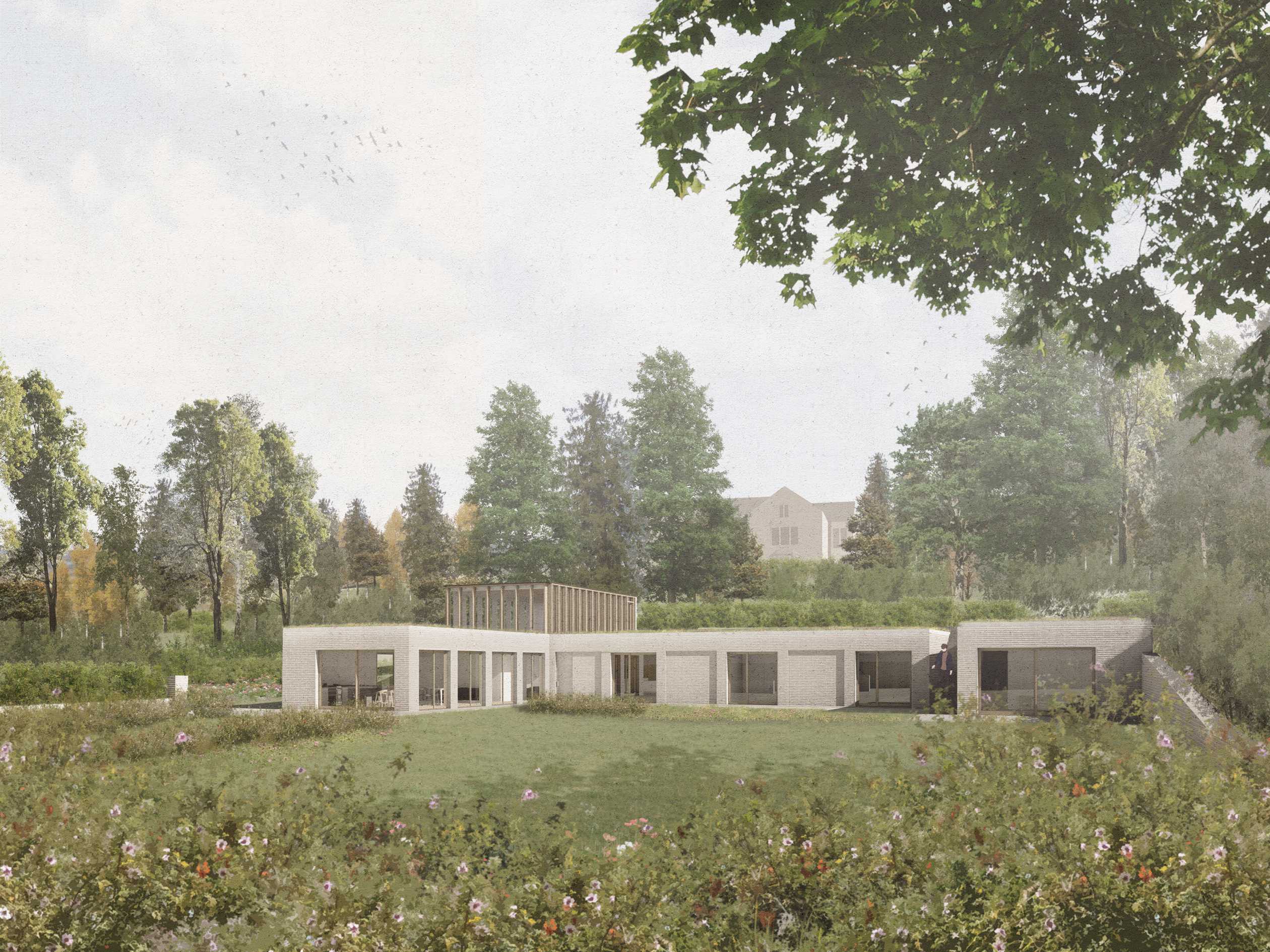
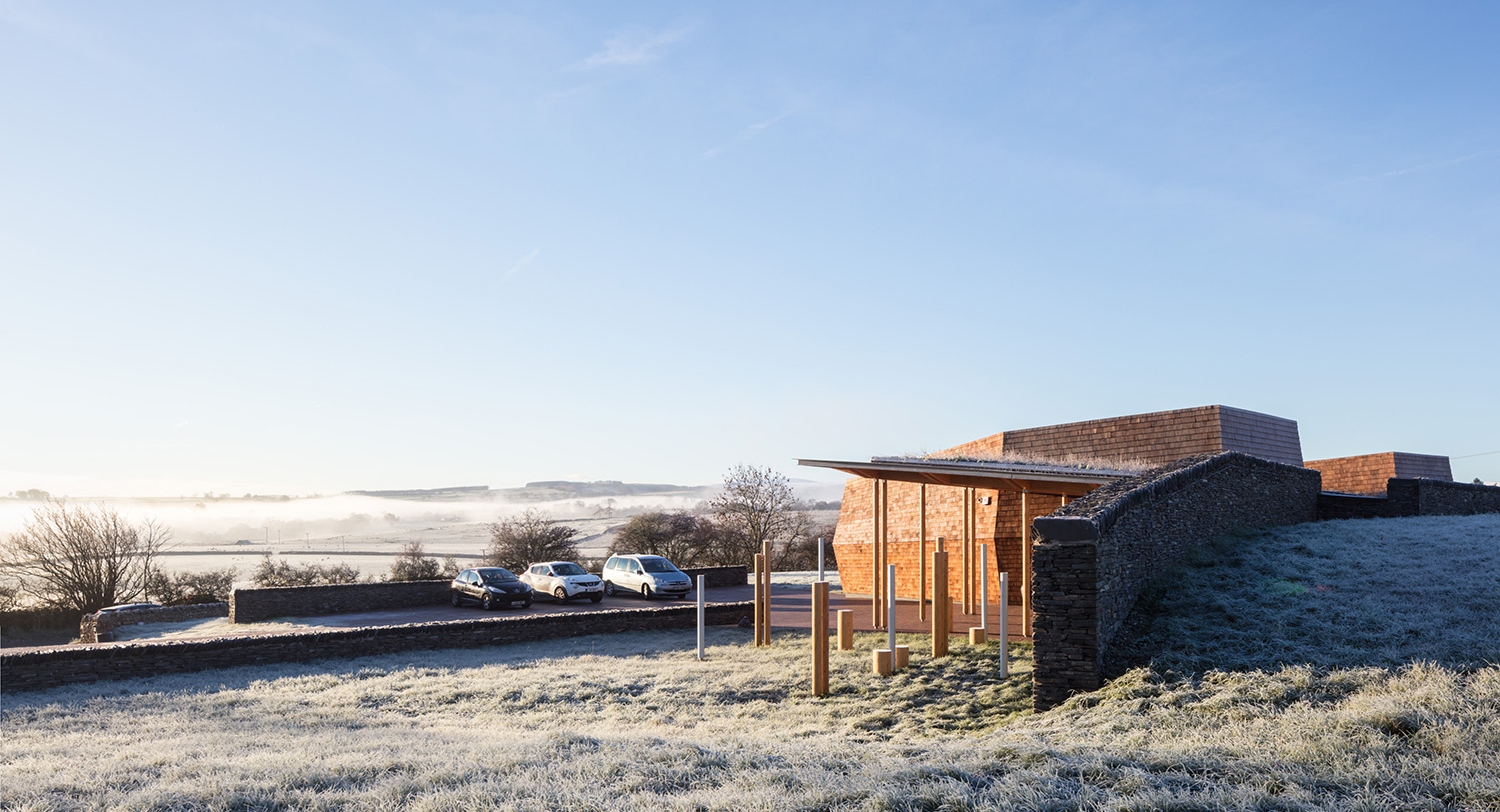
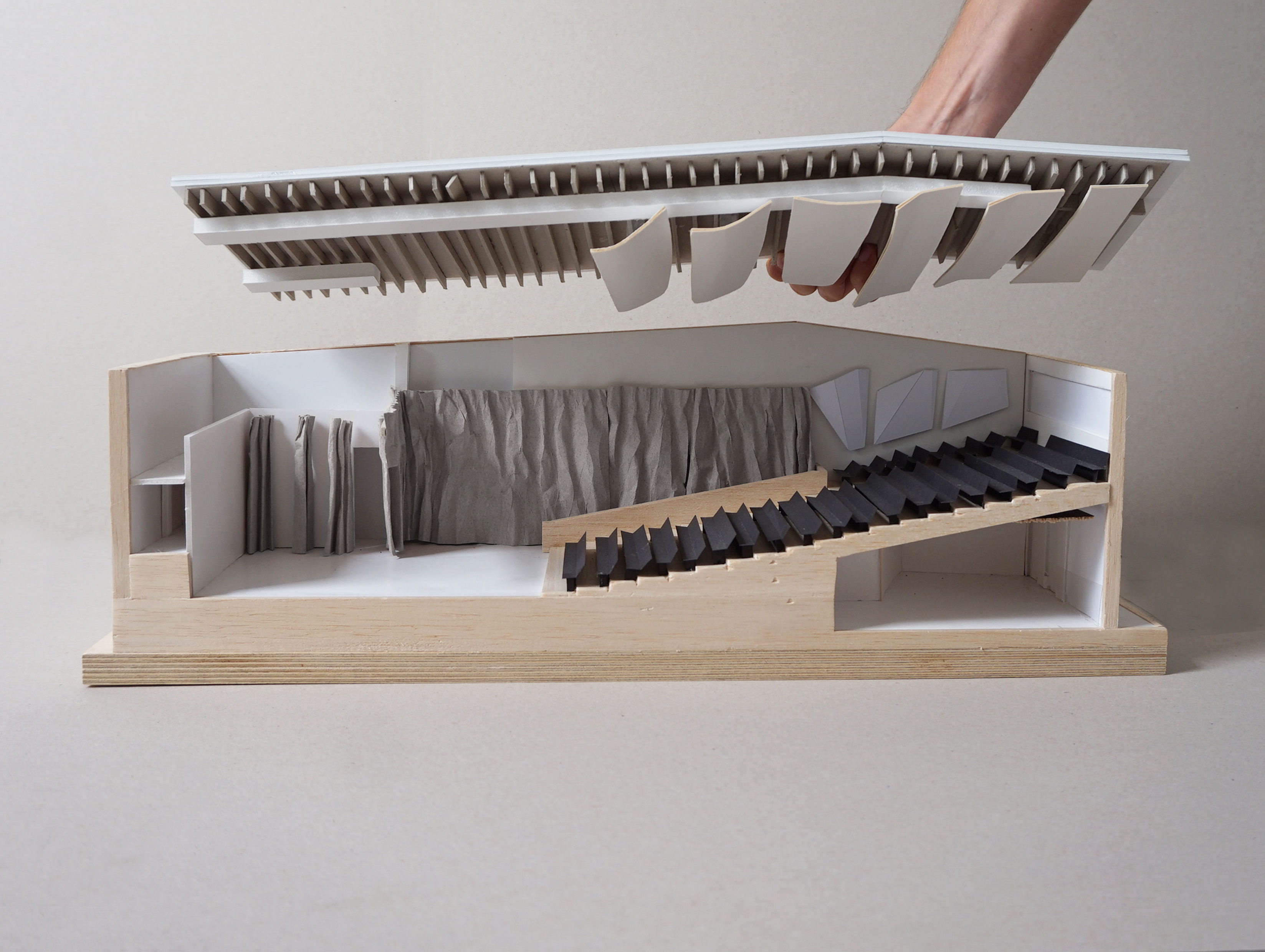
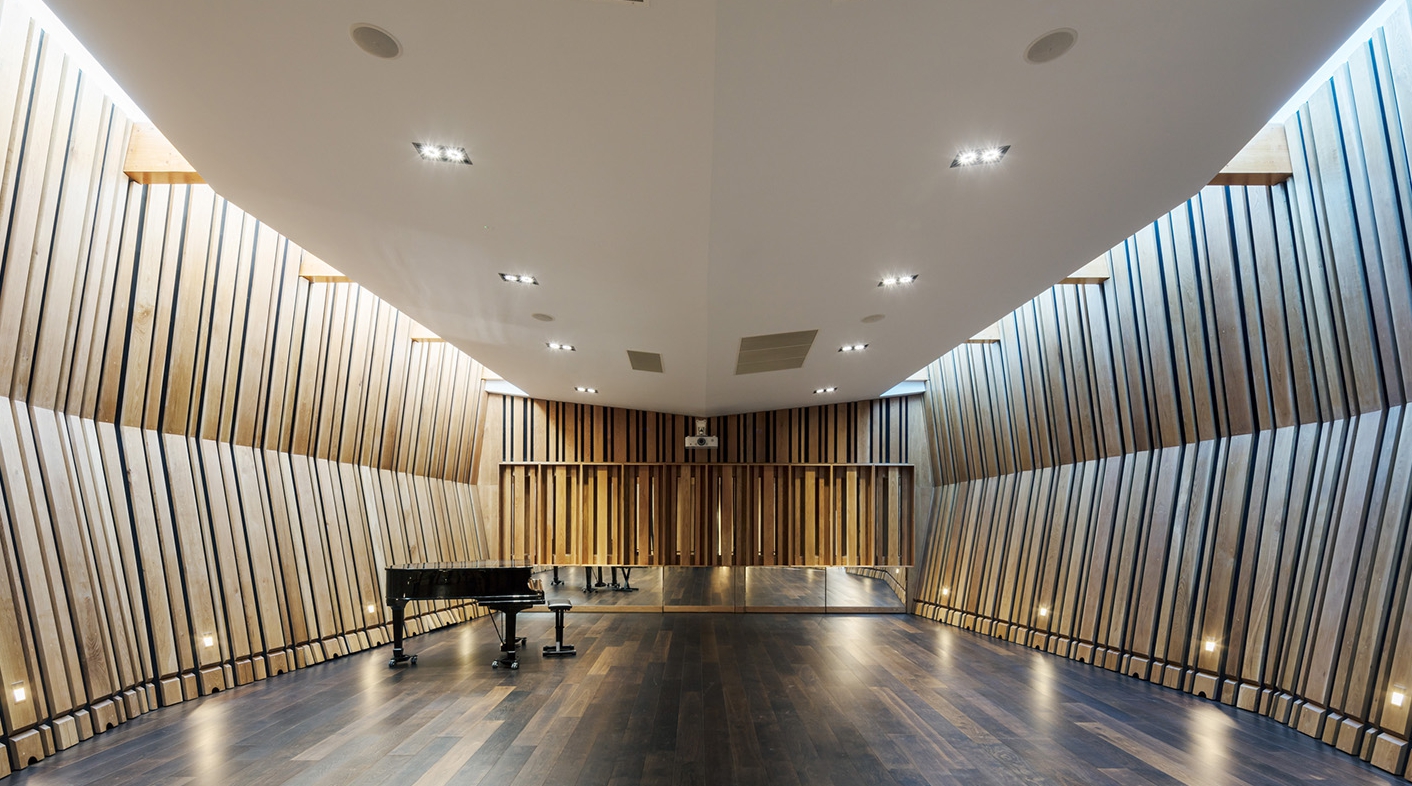
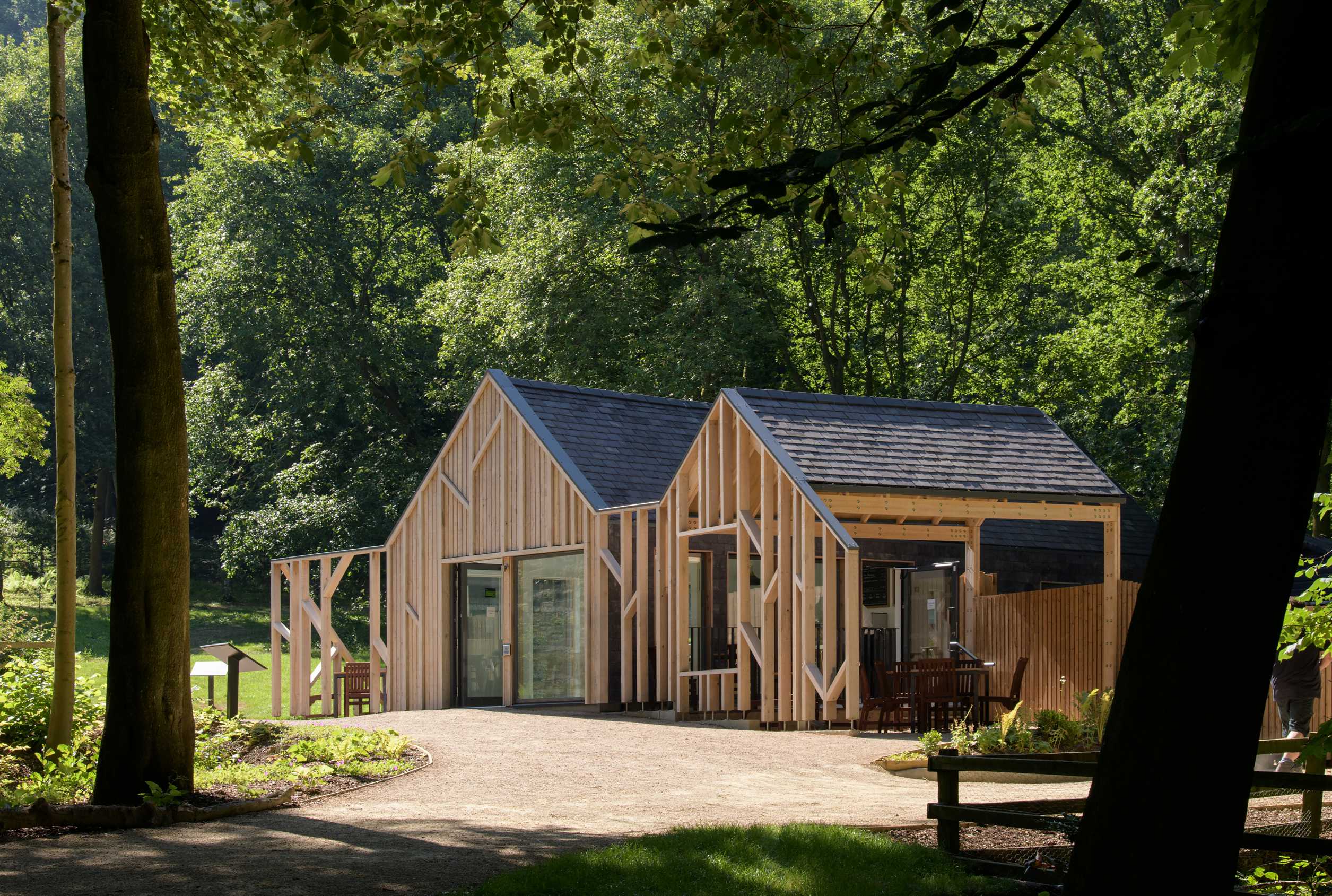
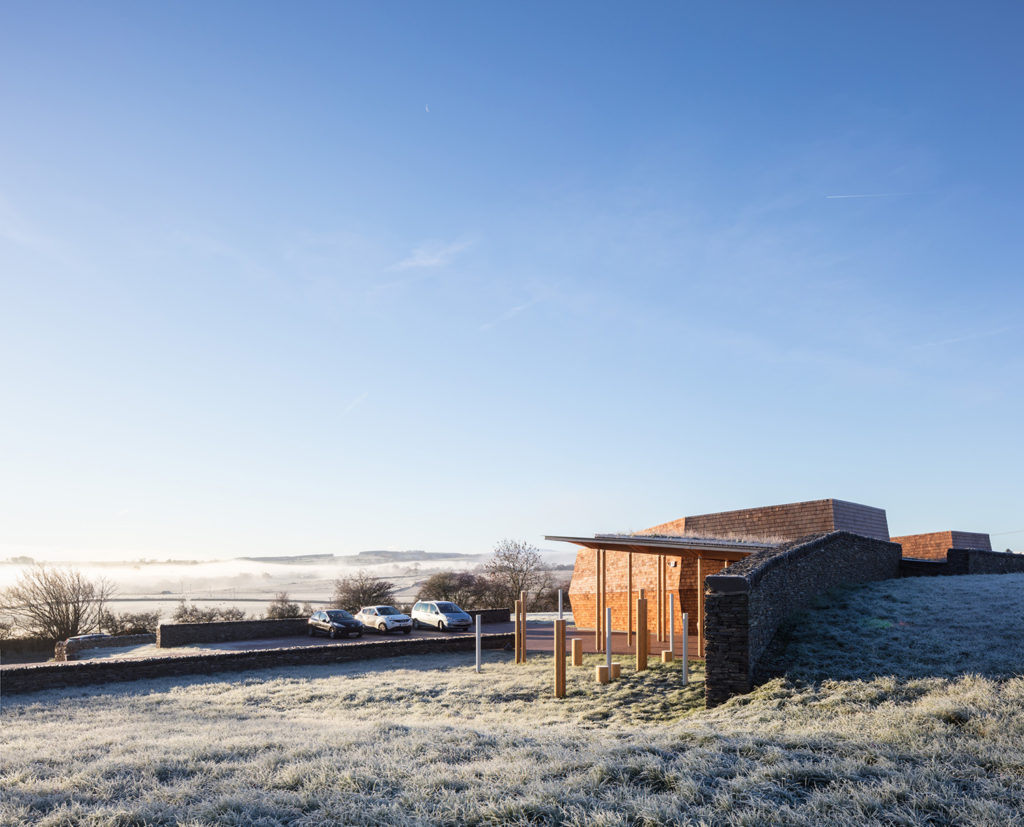
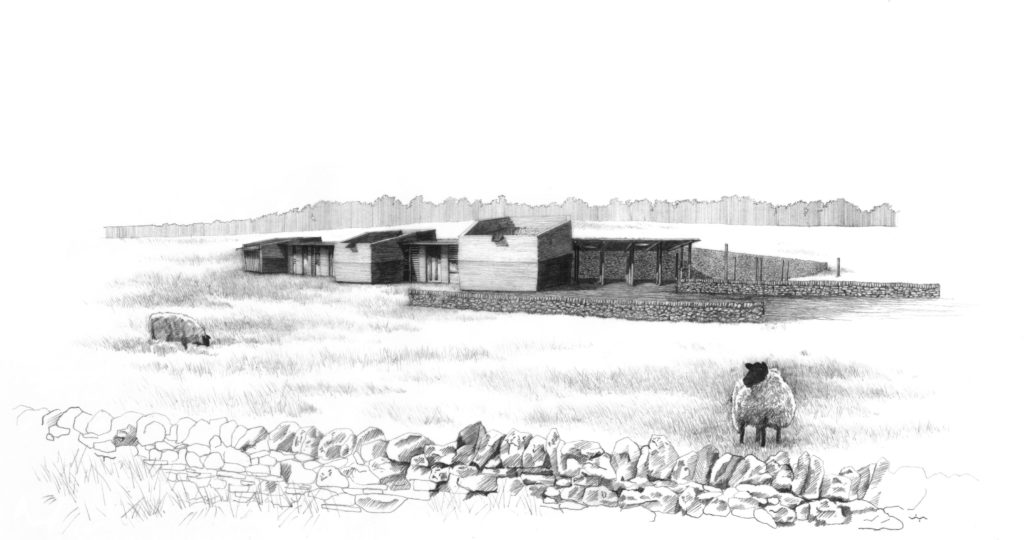
‘To provide a sustainable legacy for people with disabilities…’ the client’s mantra driving the Sunbeams Music Centre - a bespoke music therapy facility designed on a site overlooking the Lake District in Cumbria. Established in 1992, Sunbeams Music Trust deliver their 'Music For Life' programme to tens of thousands of needing members of society each year and were eager for a home.

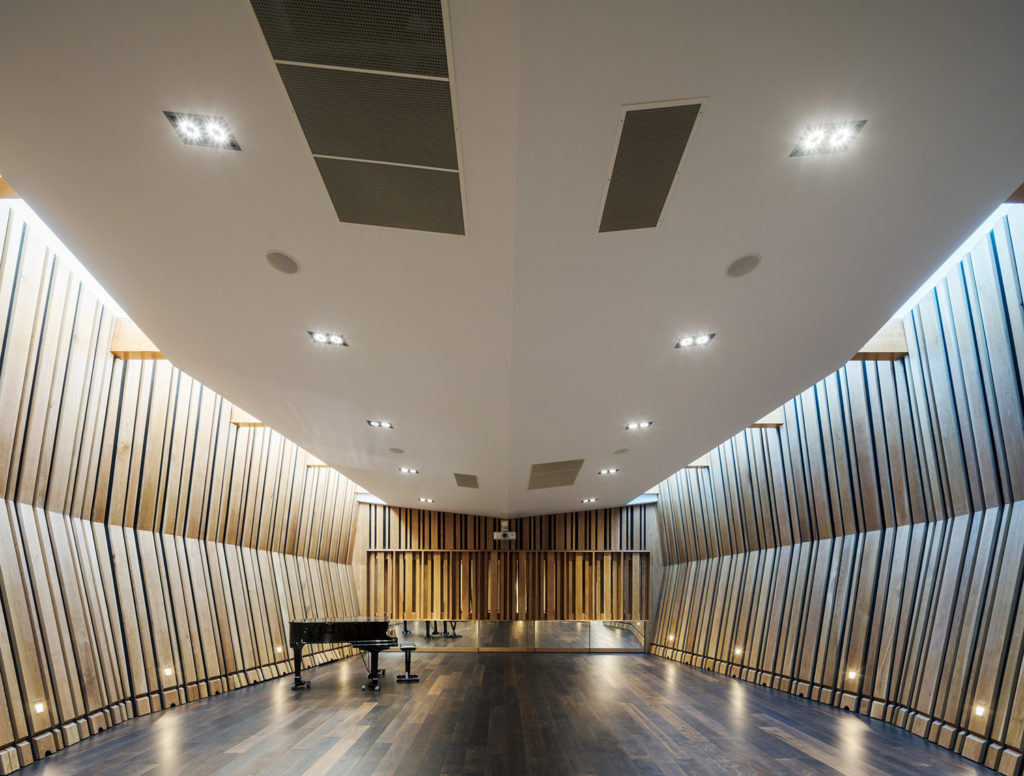
The building is designed as a home and advert for the amazing work Sunbeams do working with disadvantaged members of society. Bringing music into the centre was a key driver also harmonising the building with the natural surroundings and wider environment.

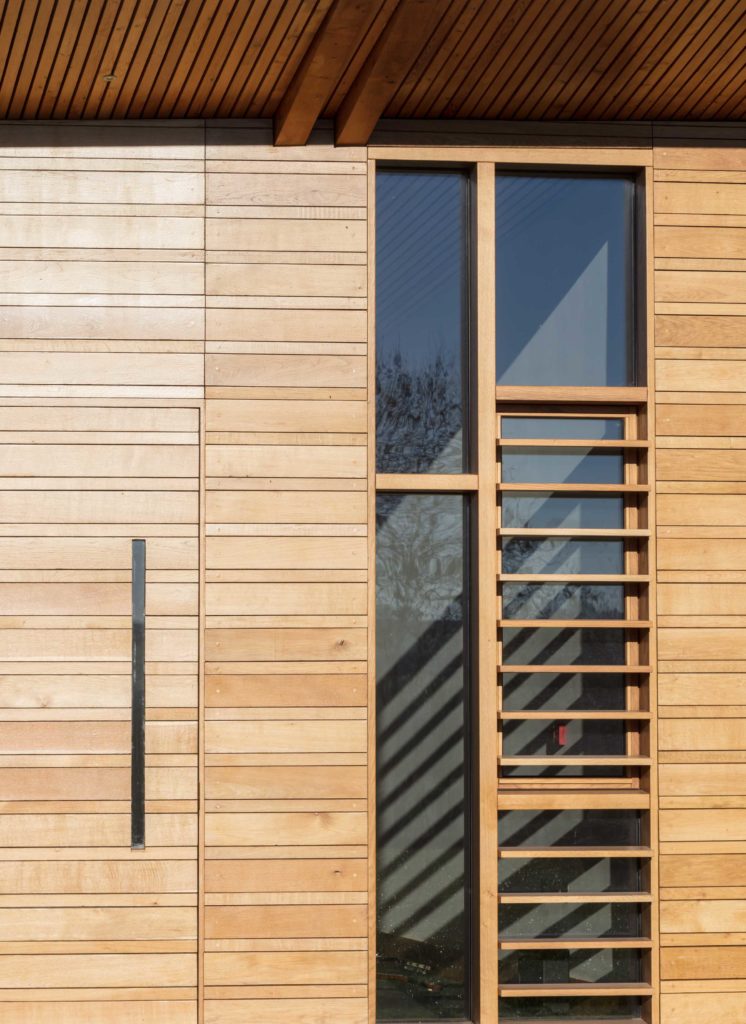
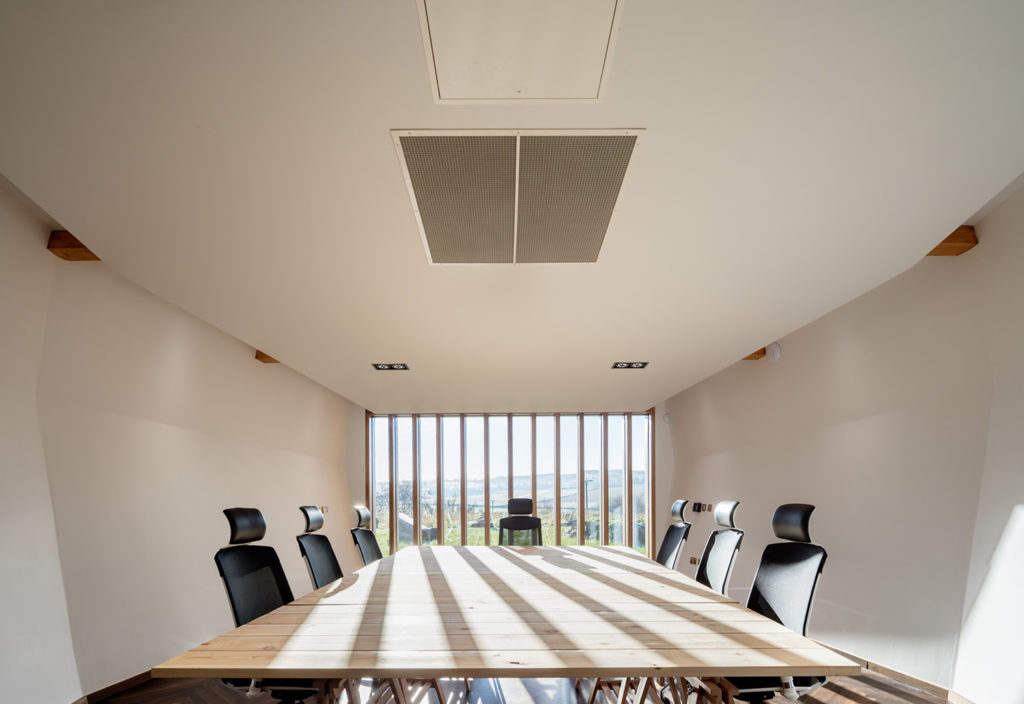
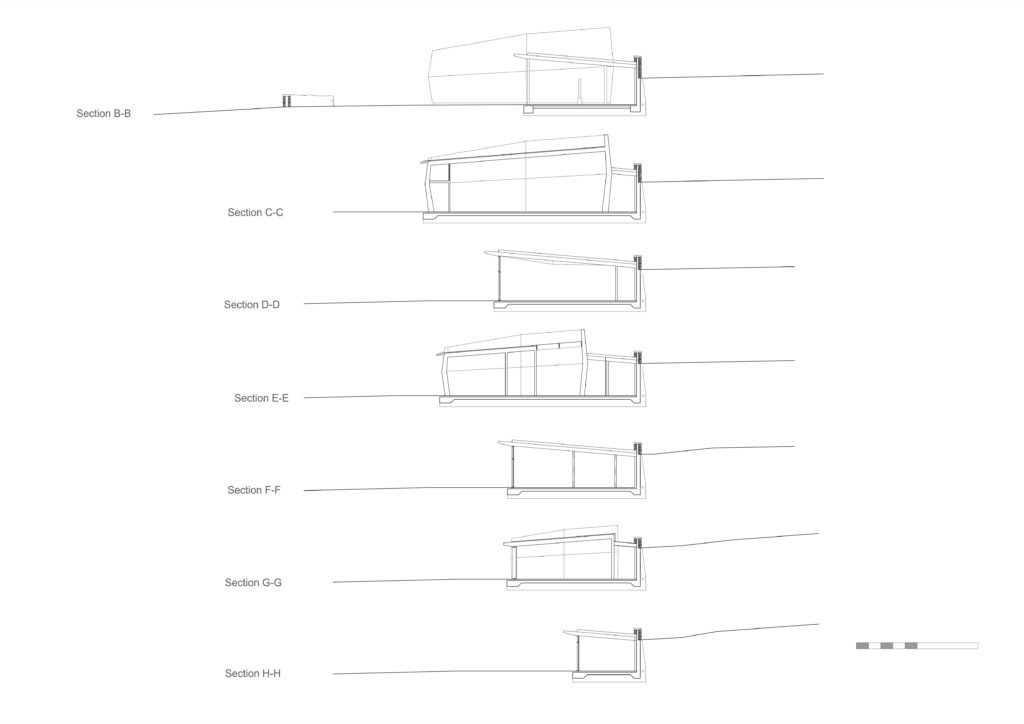
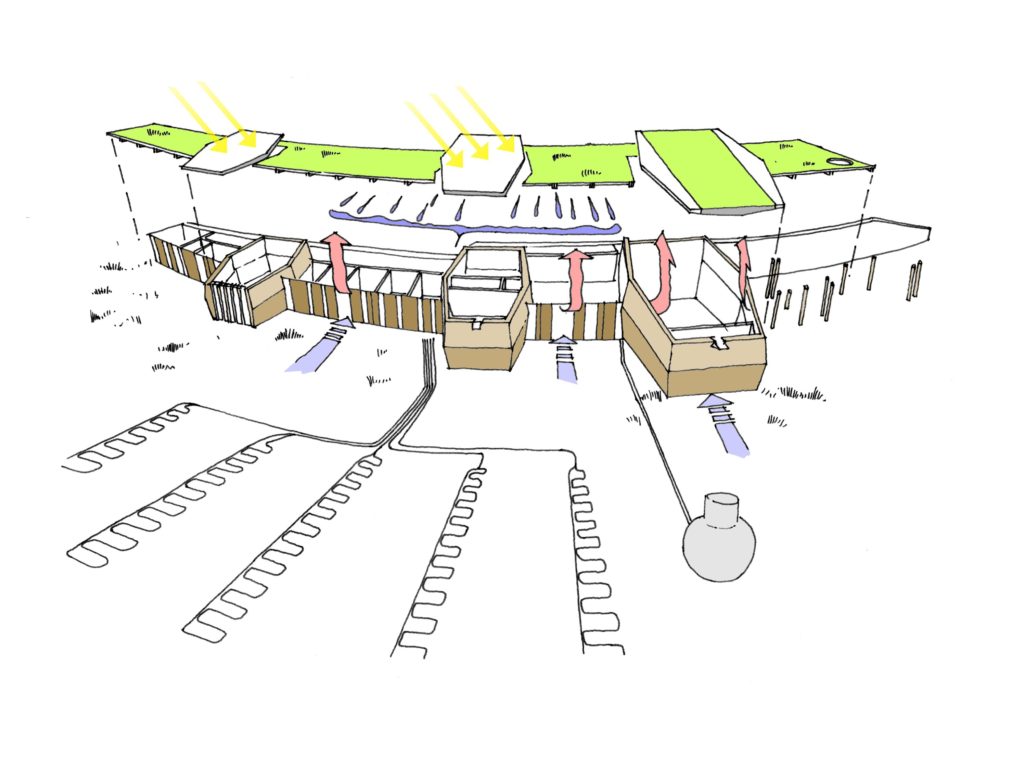
Sunbeams Music Centre exemplifies what we believe good design to embody; passive environmental principles, contextual connection utilising Cumbrian materials and techniques with innovation in form and layout. The centre is predominantly naturally ventilated, naturally lit and the heating provided by ground source heat pump. U-values are to passivhaus standards with a large amount of locally sourced sheep wool and carefully designed south facing elevation to limit overheating. All materials are sustainably sourced and from as local a source as possible. Reducing carbon was a key part of the design development through to the final built centre.

Awards

Architects Journal Awards - Healthcare and Wellbeing Project of the Year
Structural Timber Awards - Architect of the Year
RIBA MacEwen Award –Shortlisted
Civic Trust - Selwyn Goldsmith for Accessibility Shortlisted
Civic Trust - Civic Trust Commendation
Buildings Awards - Small Project of the Year finalist
LABC Northern - Small Commercial project of the year
LABC National - Small Commercial project of the year Finalist
Northern Architectural Association - Community Project of the Year
Offsite Awards - Healthcare Project of the Year Shortlisted
Offsite Awards - Best Use of Timber Technology Shortlisted
RICS North West - Community Benefit Award Finalist
Structural Timber Awards - Healthcare Project of the year Shortlisted
Godwit House

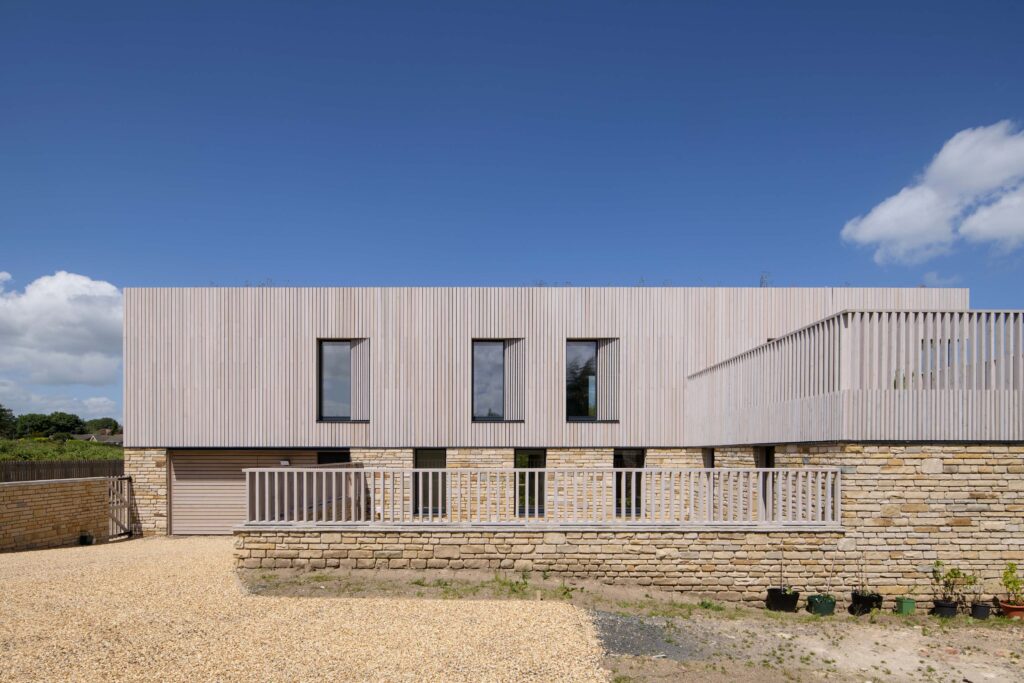
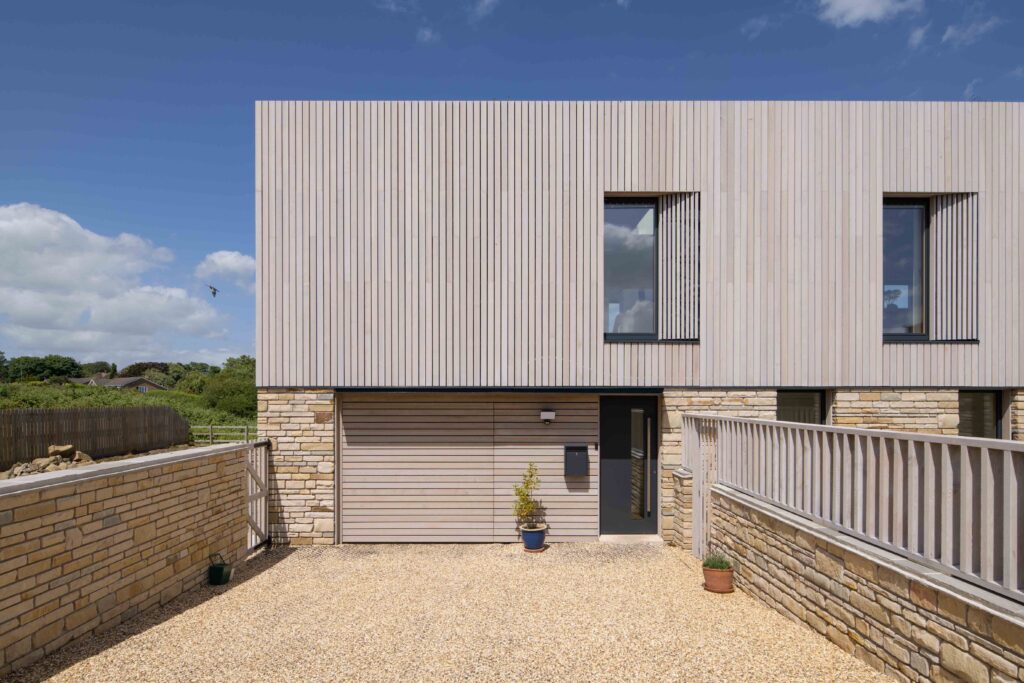
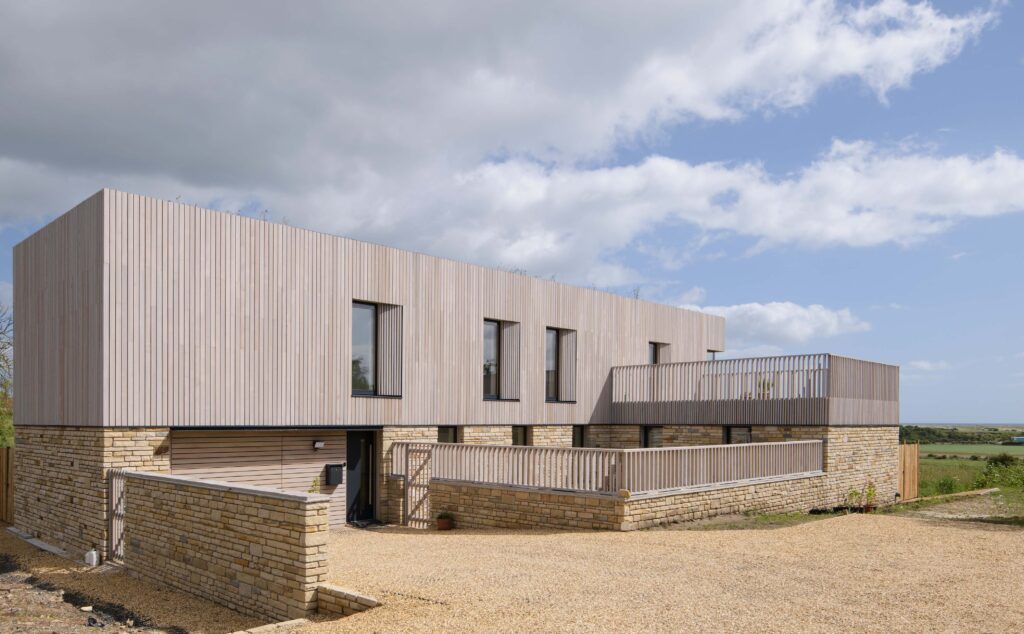
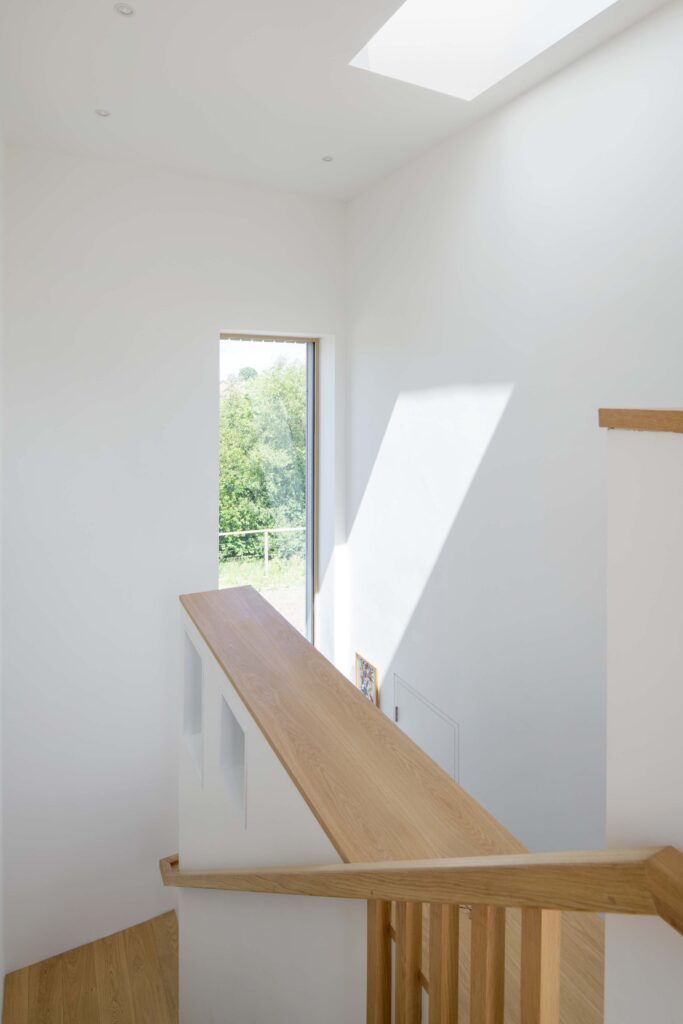
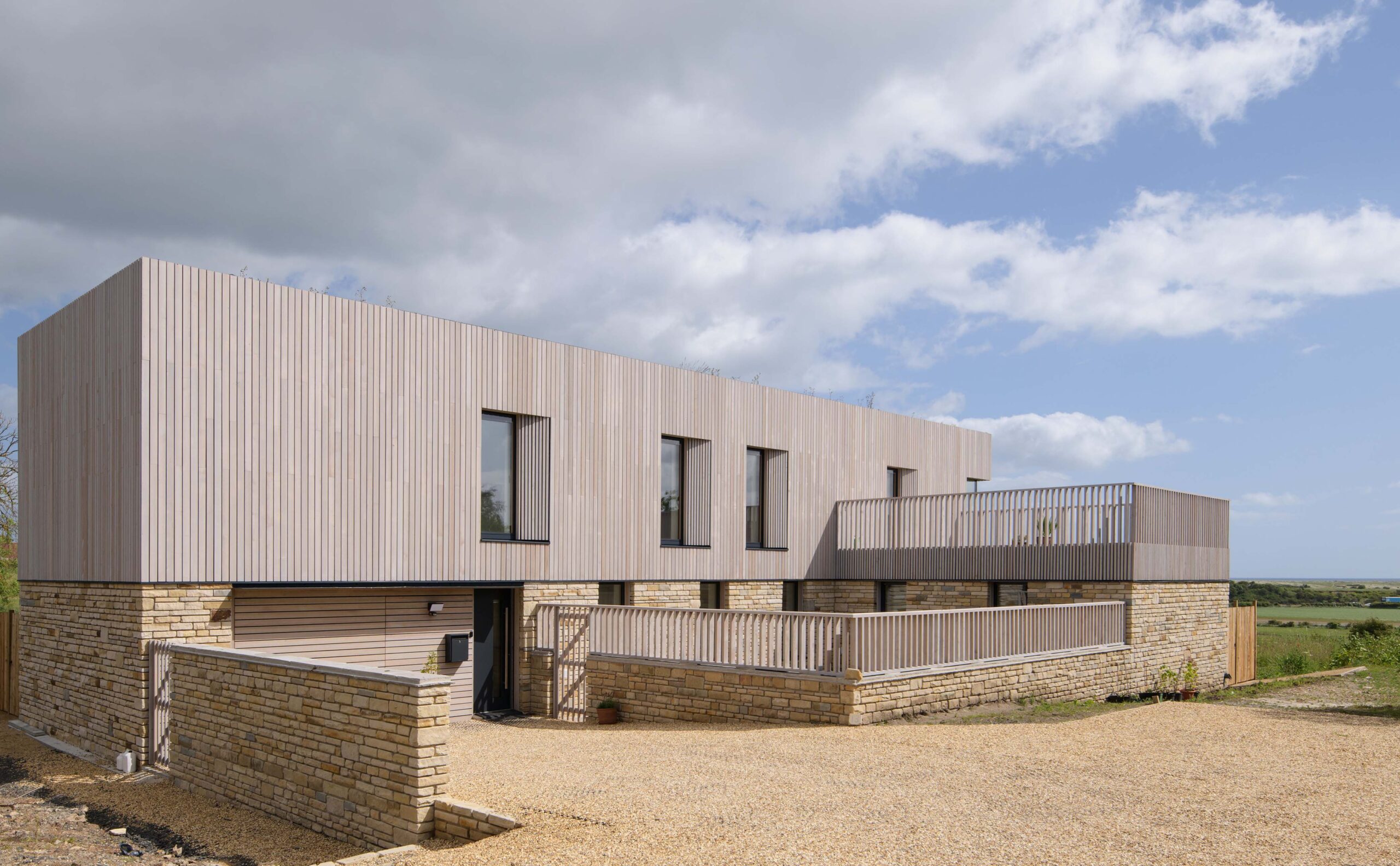
Overlooking the Coquet estuary in Warkworth Northumberland, the certified Passivhaus - Godwit House - responds to both place and client.

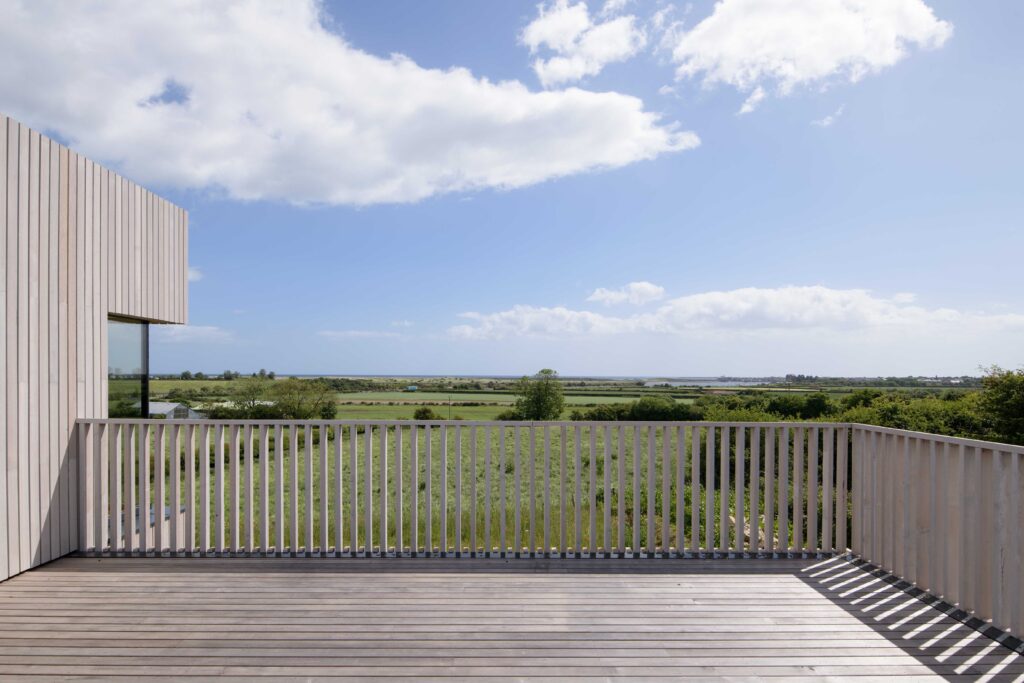
Built on a brownfield site on the edge of Warkworth the design maximises views and daylight. It is also respectful and a friendly neighbour to the existing houses.

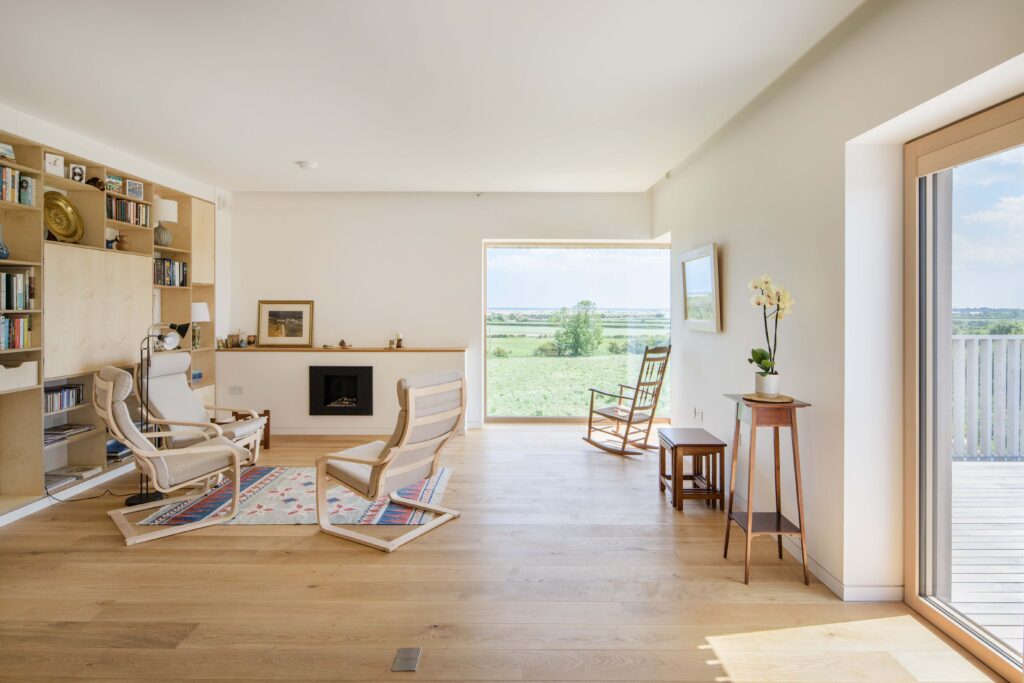
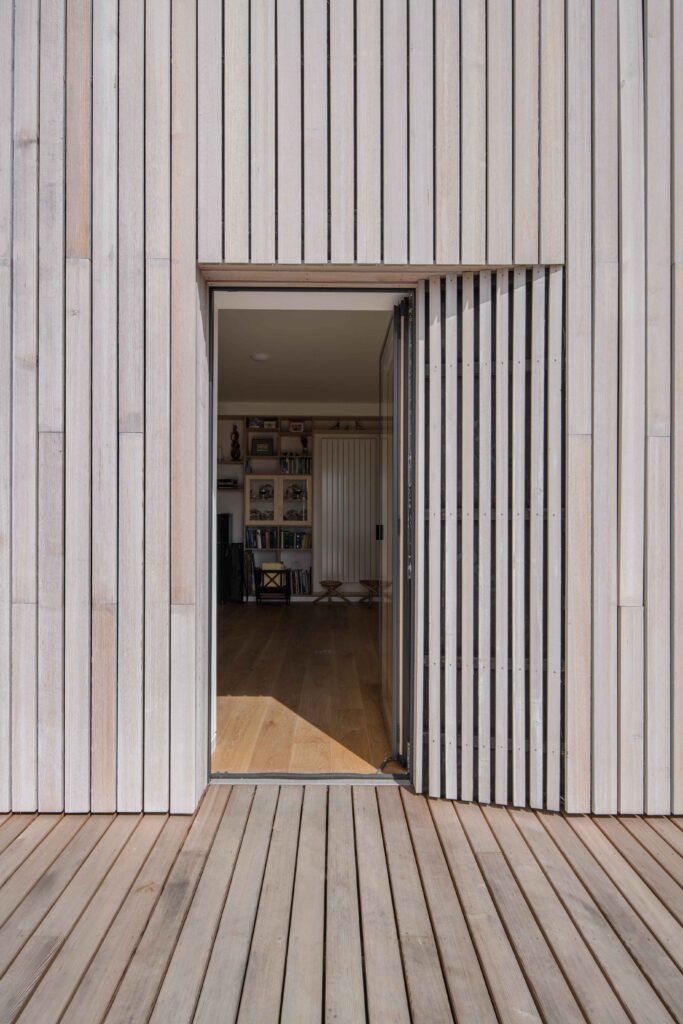
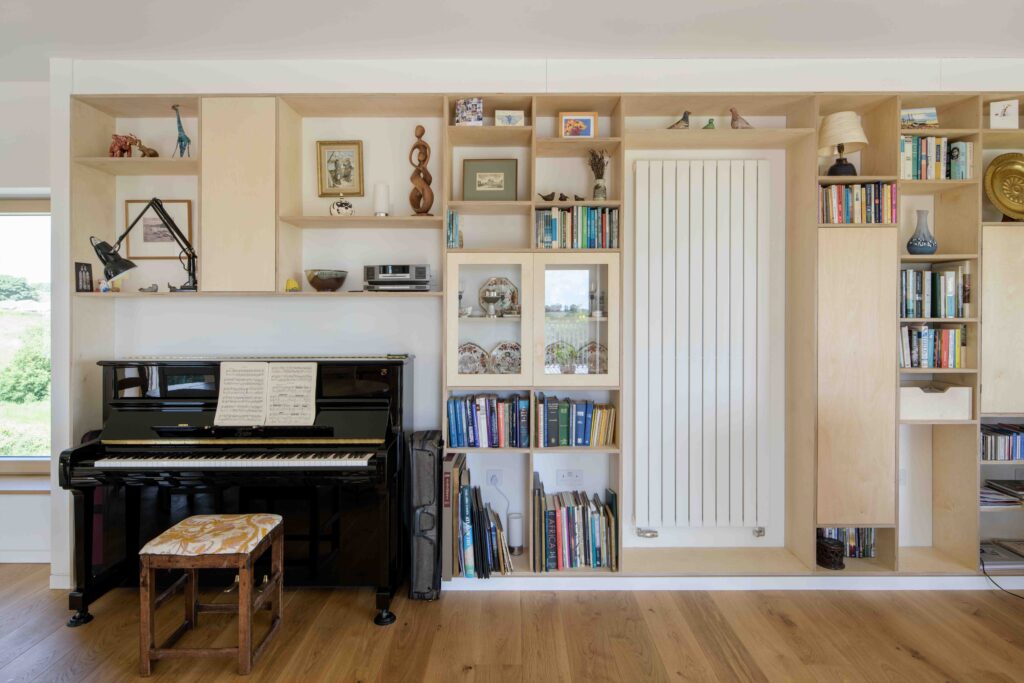
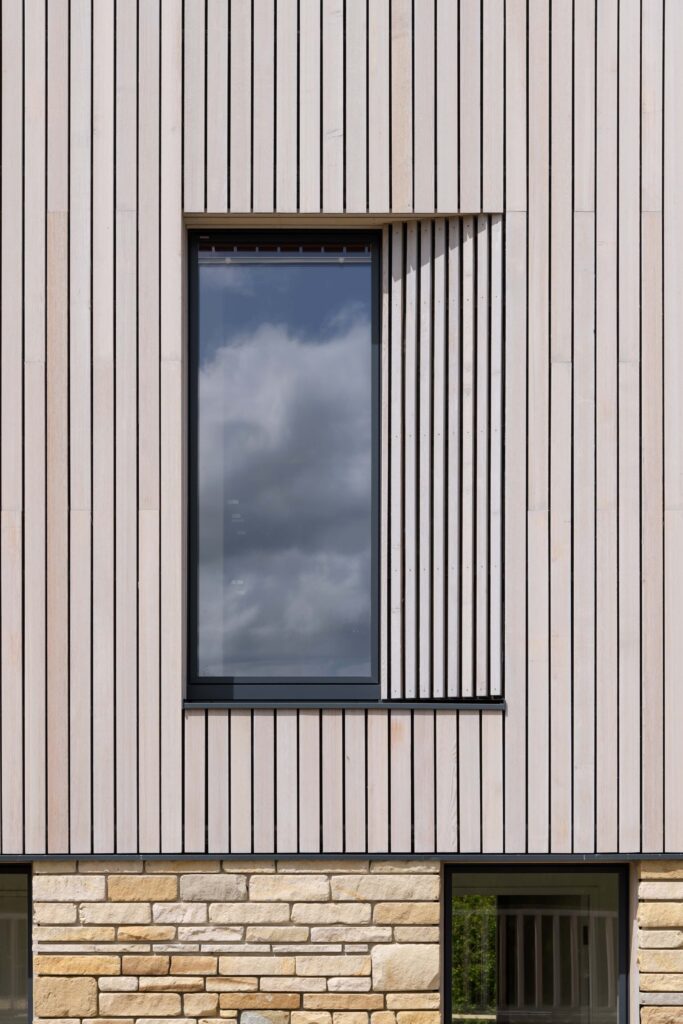
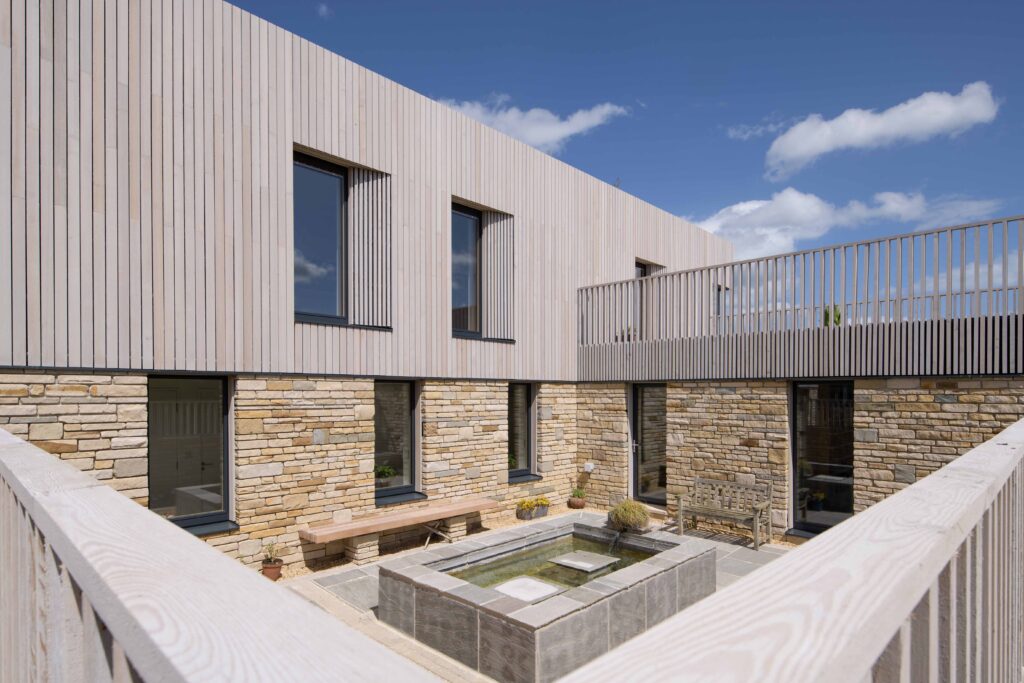
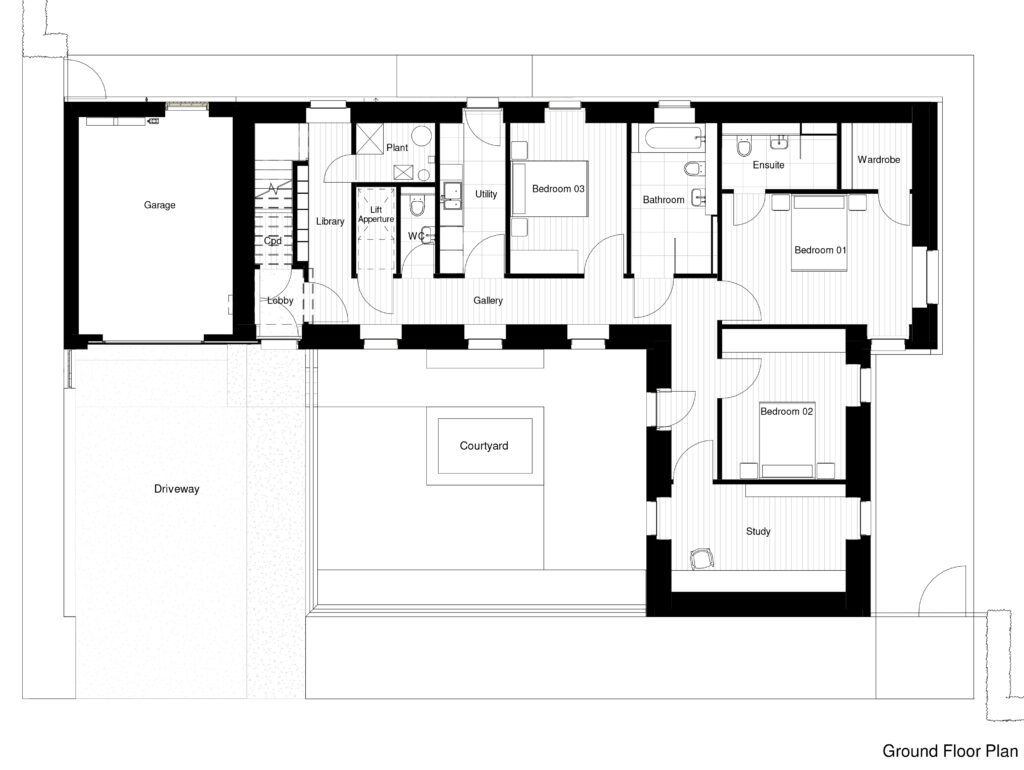
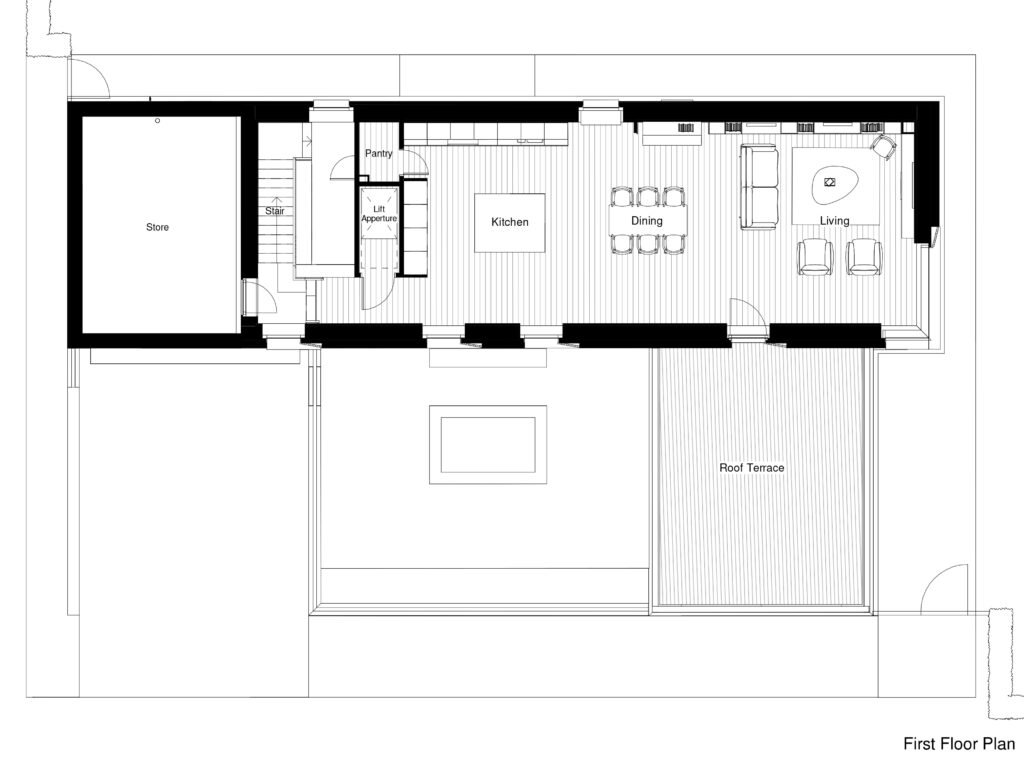
Ground floor bedrooms and study are clustered around a courtyard garden helping to create an intimate setting. In contrast, the upper floor is a large living, kitchen and dining space which celebrates the long expansive views across the estuary with splayed and corner windows.  Access to a large terrace overlooking the courtyard continues the inside outside living. The layout responds to the clients’ passions and needs allowing for activities such as music recitals whilst future-proofing the house for long term living.

This careful consideration to the client’s brief is further captured by creating places throughout the house to display her collections of objects picked up throughout her life’s work and travel.

The form and materials of the house draw influence from the agricultural structures found locally, this coupled with crisp detailing gives a familiar yet contemporary approach to the design.

The clients (and our) passion for sustainable living manifests itself in the choice of materials with low embodied carbon and the use of very little energy to heat the house. Electricity is generated by the PV array on the roof which runs the ground source heat pump and the EV charger. The project increases local biodiversity, with a green roof, rainwater harvesting and two ponds to accommodate visiting wildlife.

The house is fabricated from factory built timber cassettes filled with wood fibre insulation. It minimises the use of concrete and uses no structural steel. All helping to achieved exceptional airtightness and thermal performance.

The design, attention to detail and the newly learnt skills of the contractors local to Warkworth enabled Godwit house to be a certified Passivhaus, the most northerly in England.

This project raises environmental construction standards in the region and beyond. More importantly creates a comfortable and pleasurable home for the client, with a cracking view.

Mawson Kerr Godwit House Passivhaus


Mawson Kerr Godwit House Passivhaus


Mawson Kerr Godwit House Passivhaus


Mawson Kerr Godwit House Passivhaus


Mawson Kerr Godwit House Passivhaus


Mawson Kerr Godwit House Passivhaus


Mawson Kerr Godwit House Passivhaus


Mawson Kerr Godwit House Passivhaus


Mawson Kerr Godwit House Passivhaus


Mawson Kerr Godwit House Passivhaus


Mawson Kerr Godwit House Passivhaus


Mawson Kerr Godwit House Passivhaus


Mawson Kerr Godwit House Passivhaus

Auckland Project Glass House

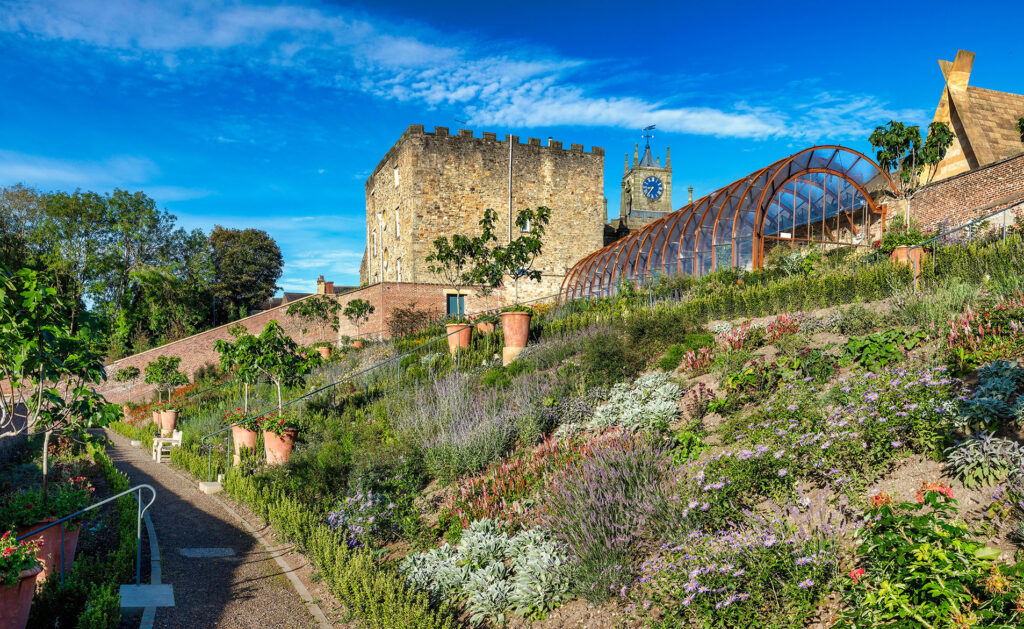
Auckland Castle occupies a commanding hilltop position where the River Wear meets the Gaunless. Its presence defined by steep wooded banks and long views across the landscape. Set apart from the town by a stone wall and gateway leading off the Market Place, the Castle grounds unfold as a sequence of distinct spaces – from wild parkland to the formal Walled Garden on the south-facing slope.

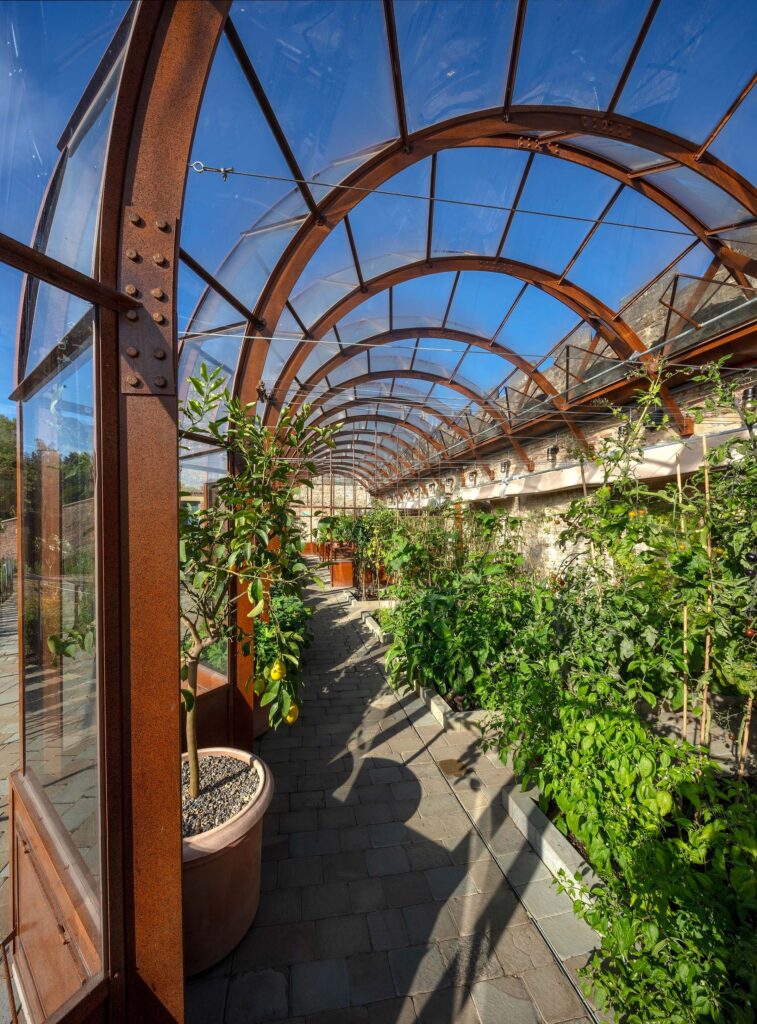
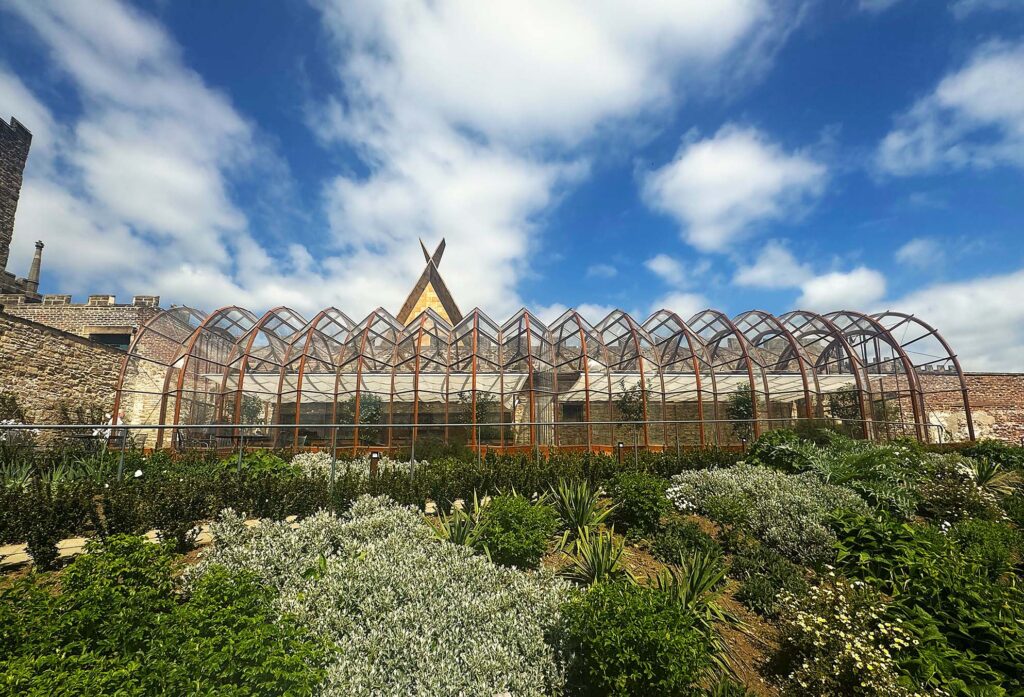
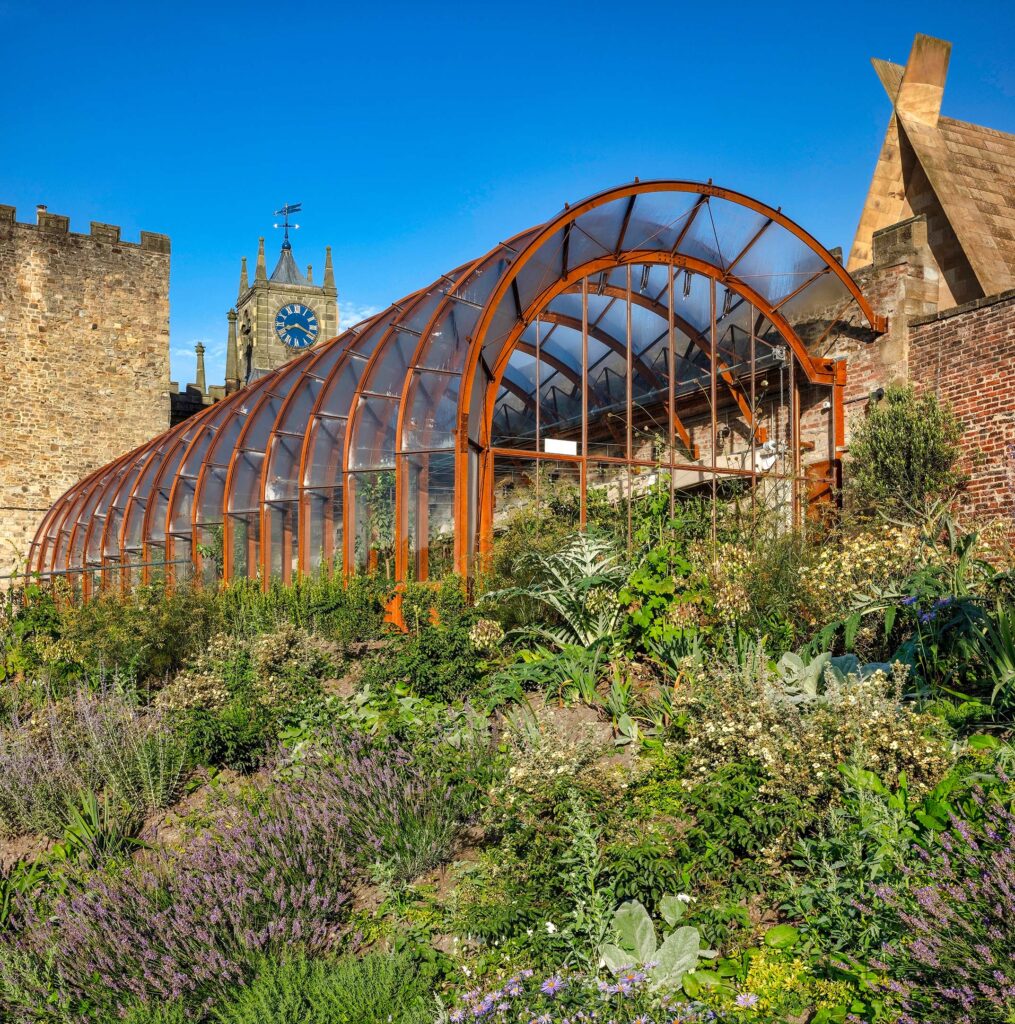
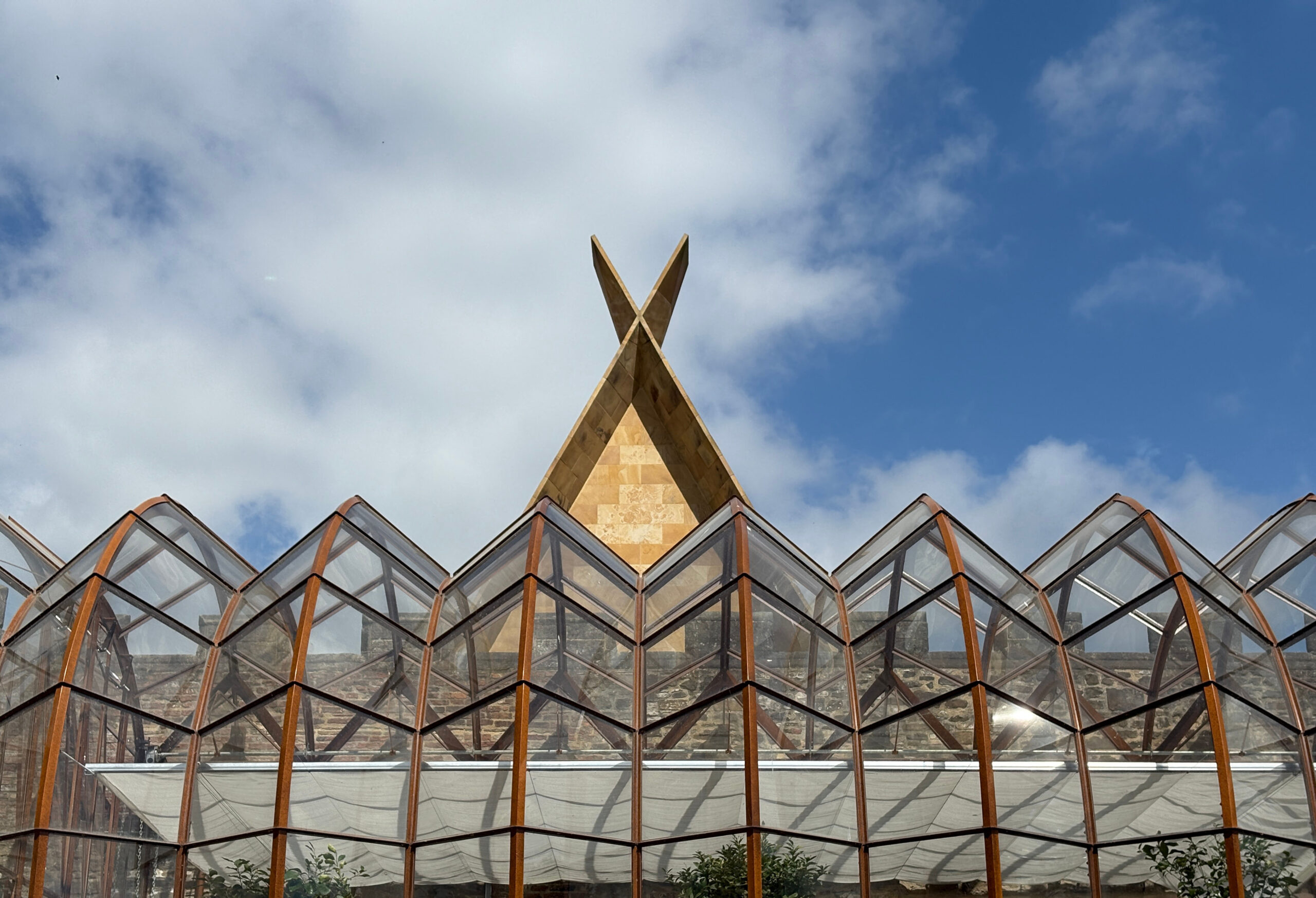
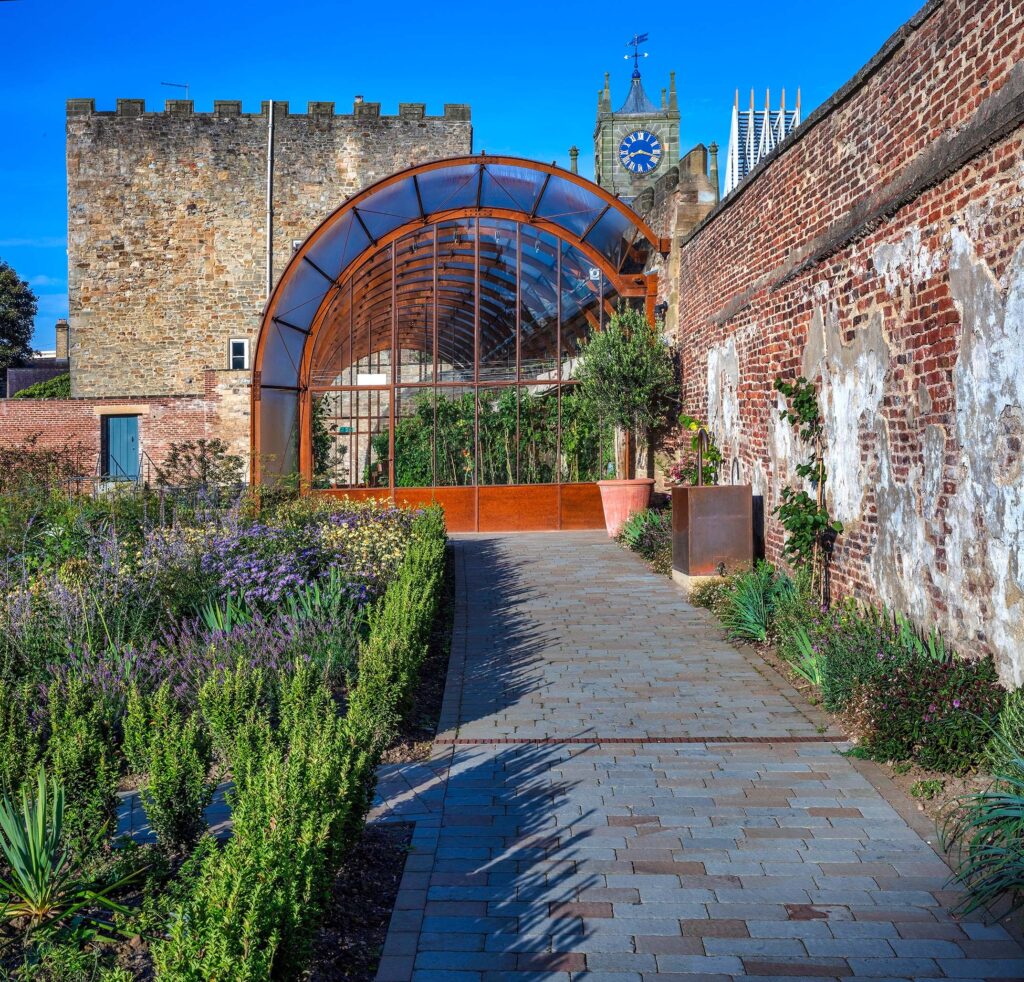
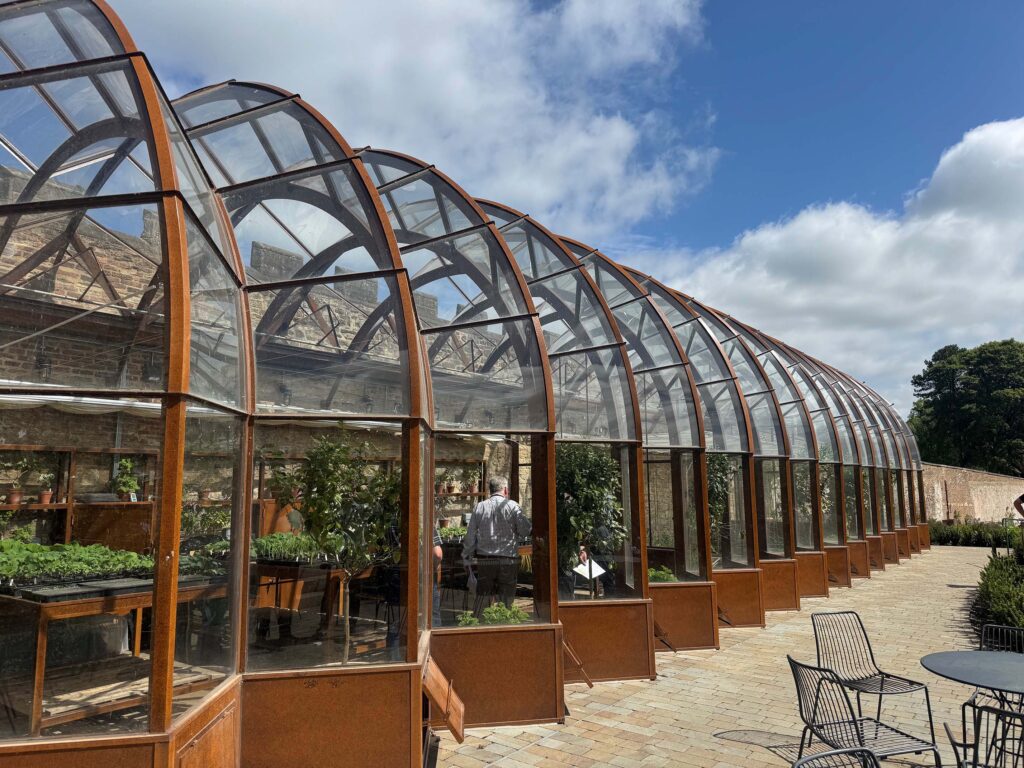
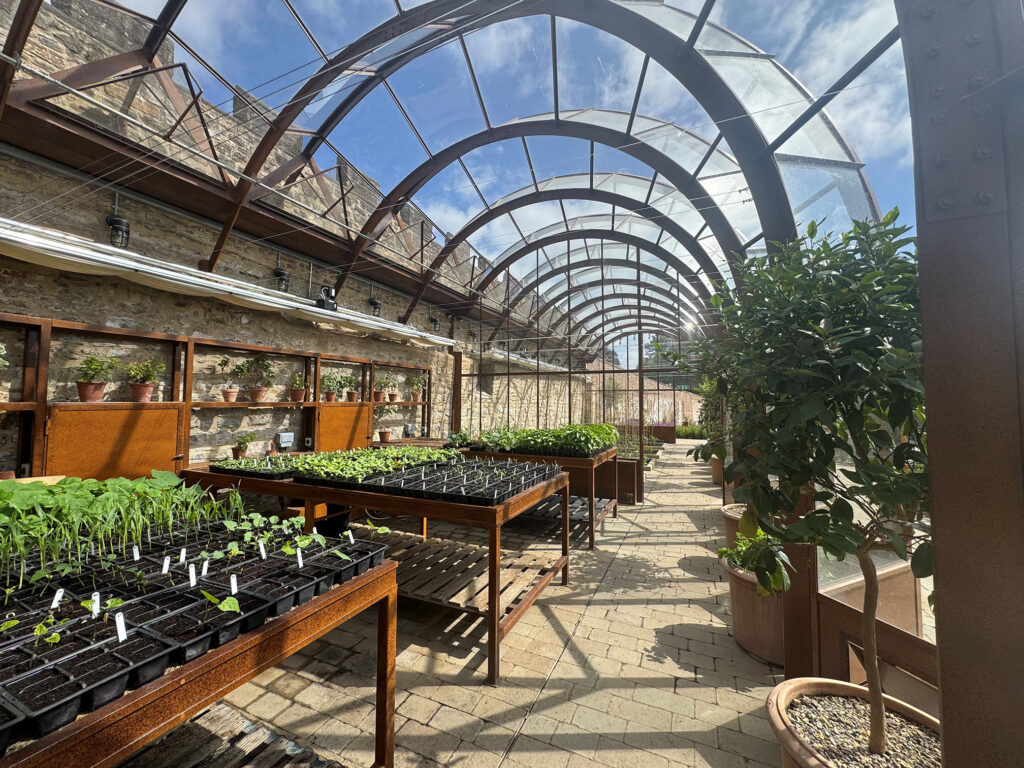
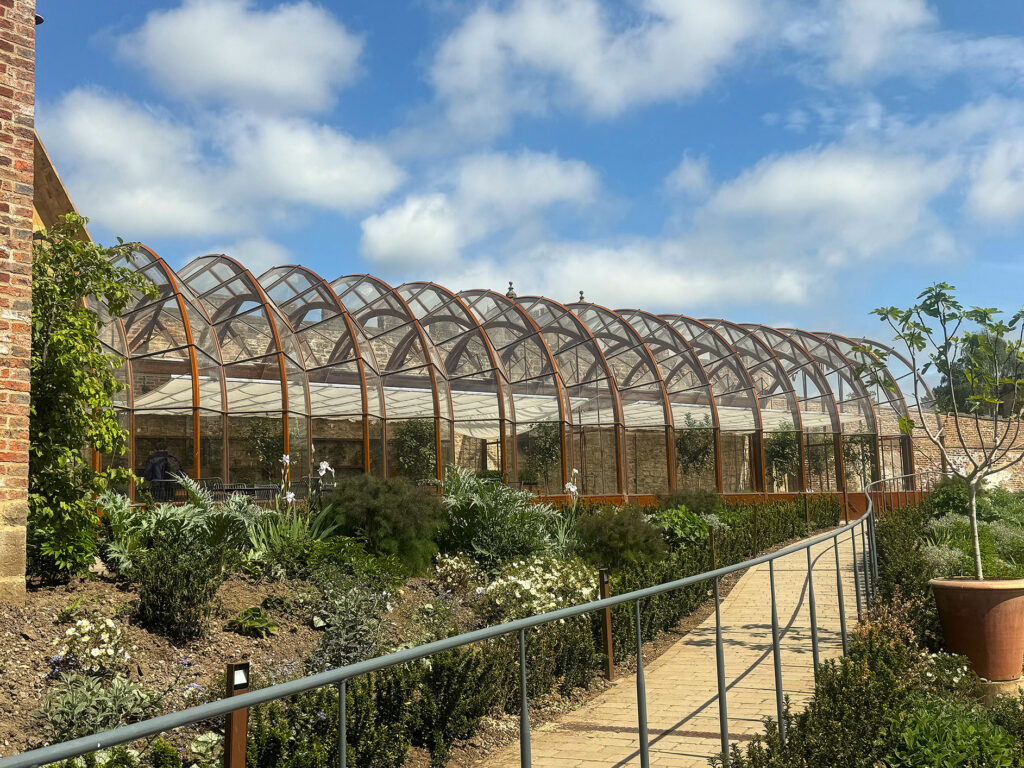
The Walled Garden forms a key part of the Castle’s transformation into a major visitor destination. Designed in collaboration with landscape architect Pip Morrison. The garden creates a ‘feast for the senses’, combining a productive lower garden and a sensory upper garden. Historically the site was home to hothouses used for cultivating pineapples. Today, visitors encounter a contemporary glasshouse imagined as the focal point of the upper garden.


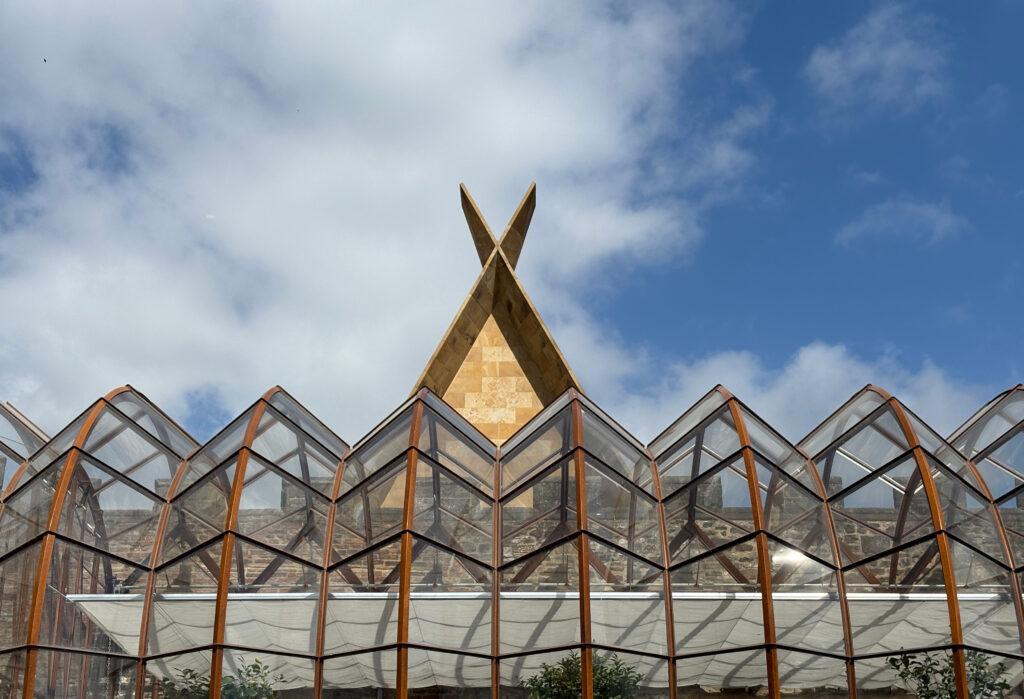
The glasshouse takes inspiration from Joseph Paxton 19th Century Ridge and Furrow typology. Its distinctive zig-zag roof maximising morning and evening light, promoting plant growth while achieving structural efficiency. This rhythm resonates with the crenellations of the historic garden walls, connecting past and present. A sunken maintenance building is discreetly embedded in the hillside, housing visitor and staff facilities without interrupting views.


Refurbishment and repair of the Grade II listed walls form part of a wider strategy to revive the garden’s historic character while opening it to new audiences. The result is a layered landscape – productive, sensory and reflective – offering an immersive experience within the rich architectural and natural setting of the Auckland Estate.

More on the attractions at The Auckland Project HERE


Byre House

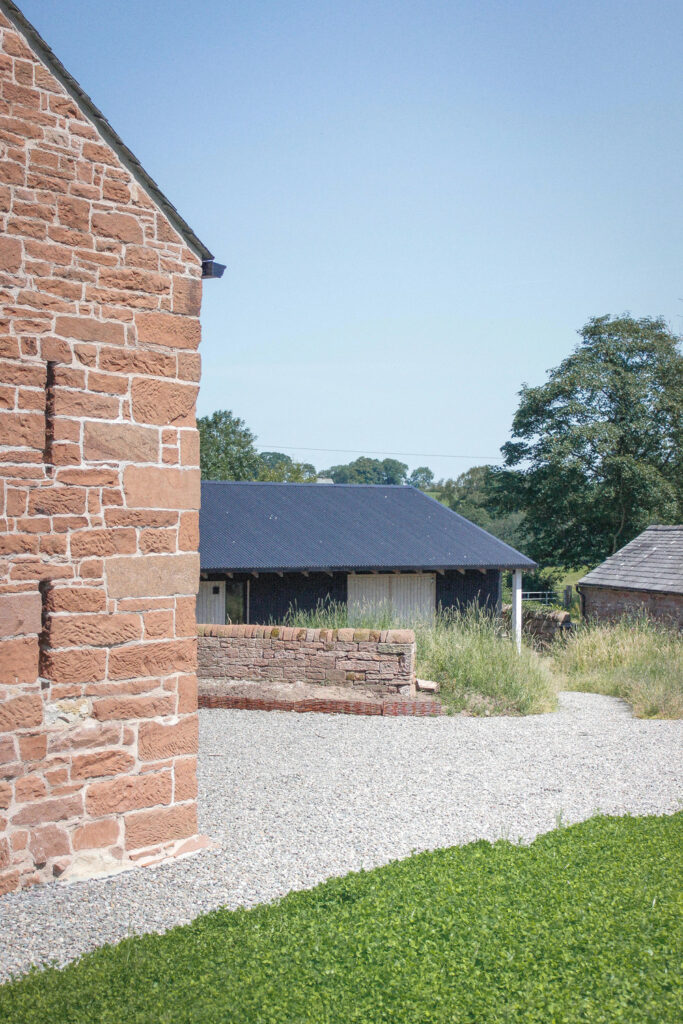
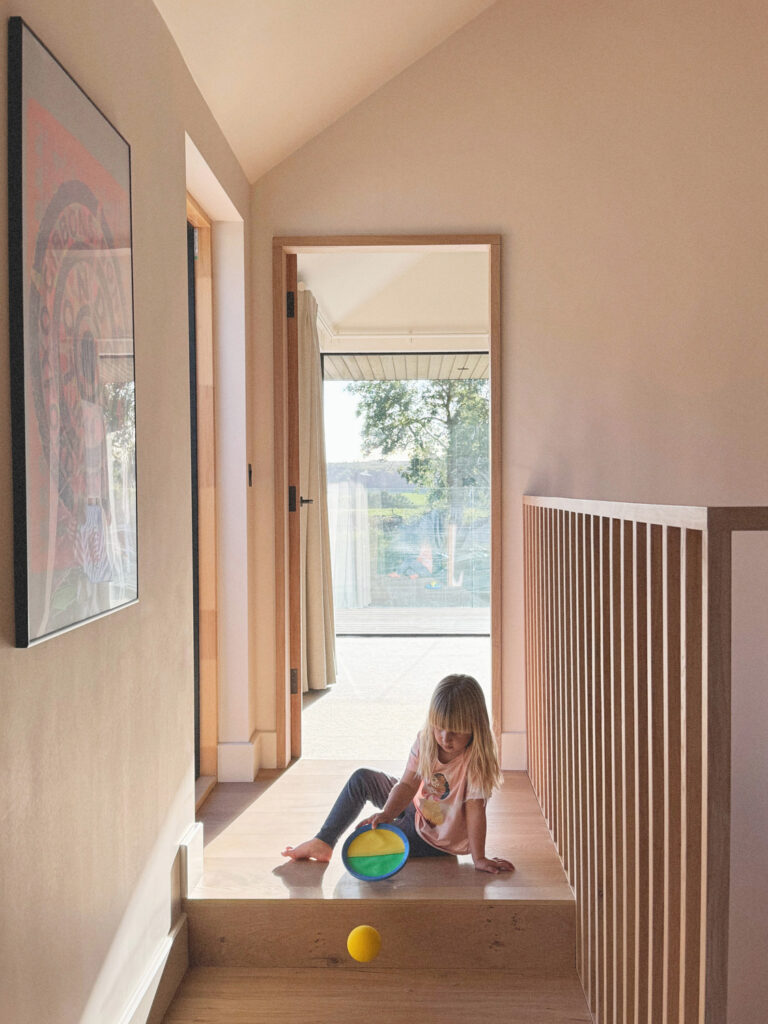
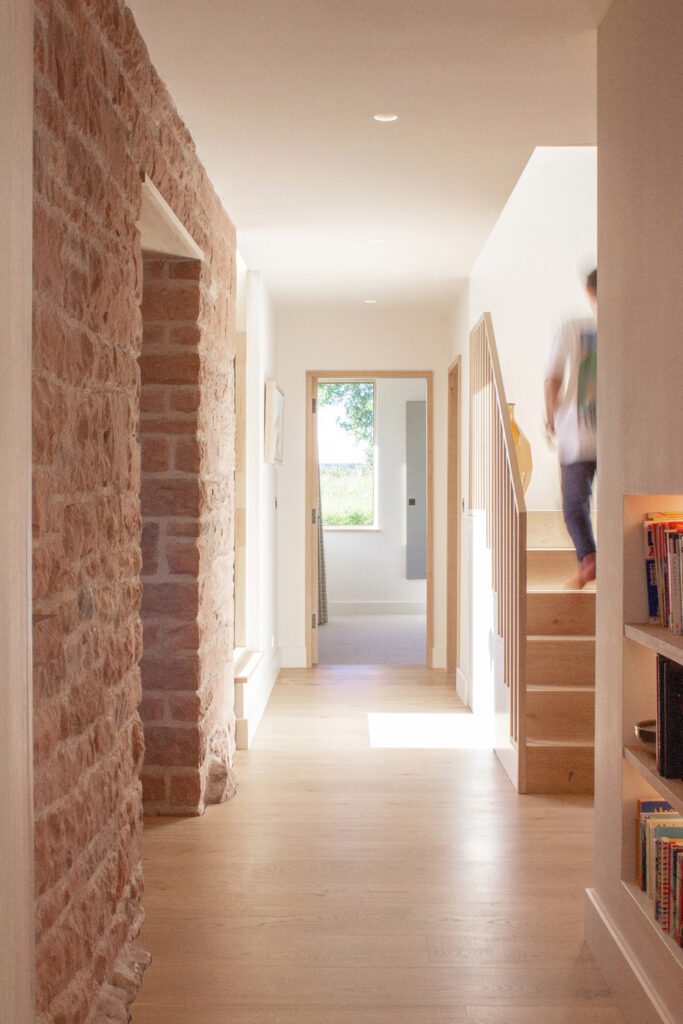
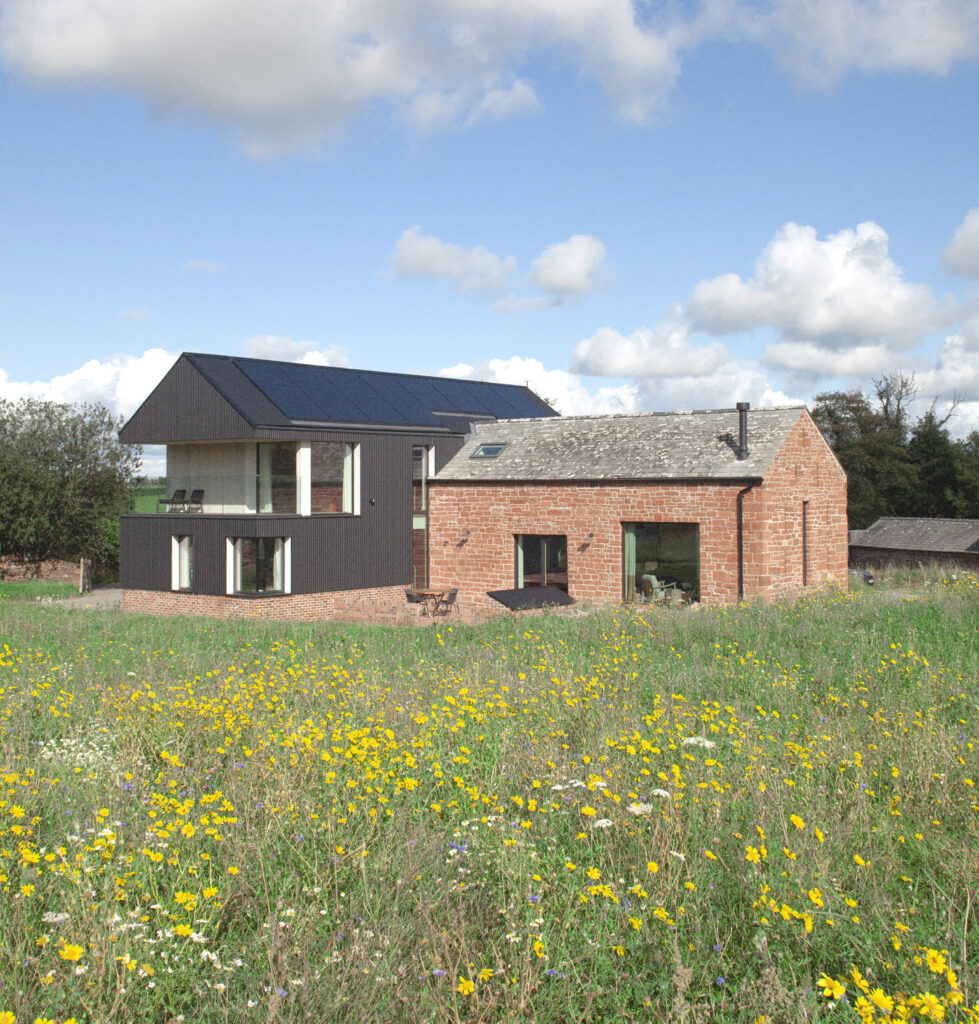
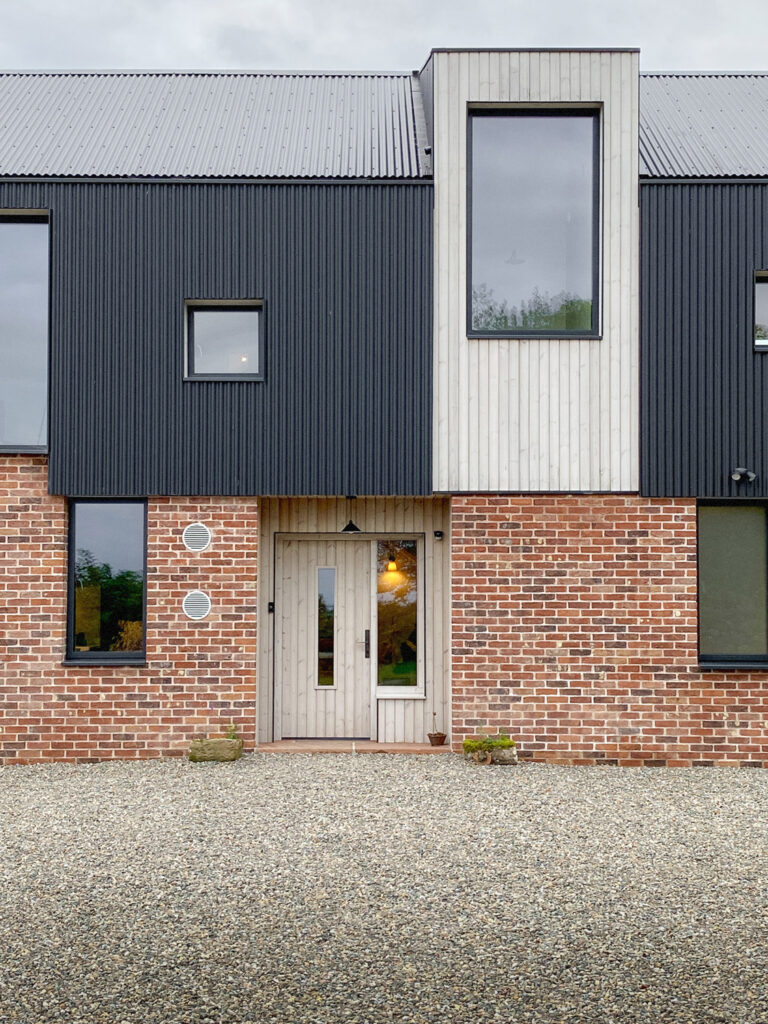
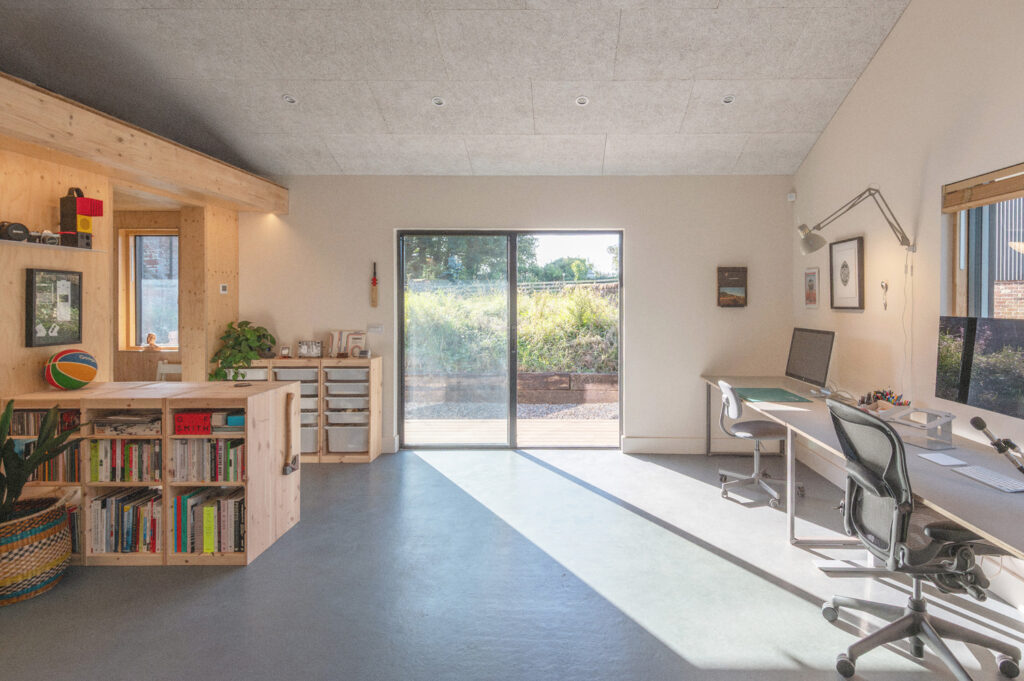
Set within the Cumbrian landscape, Byre House transforms an existing stone barn through a modern sustainable extension. Creating a contemporary family home for a couple and their young children. The project brings together old and new through a close and collaborative process. The client, a designer, was actively involved throughout, shaping both the design approach and detailing. This project is defined by its deep collaboration.

“This building has changed our lives. It provides a sanctuary for family life, as well as a place to think and do. Guests often comment that the house feels “somehow modern but homely" - a testament to the calm, humble way MawsonKerr navigated construction complexities to deliver a highly functional, beautiful end product.”  - Clients Ben and Rosie


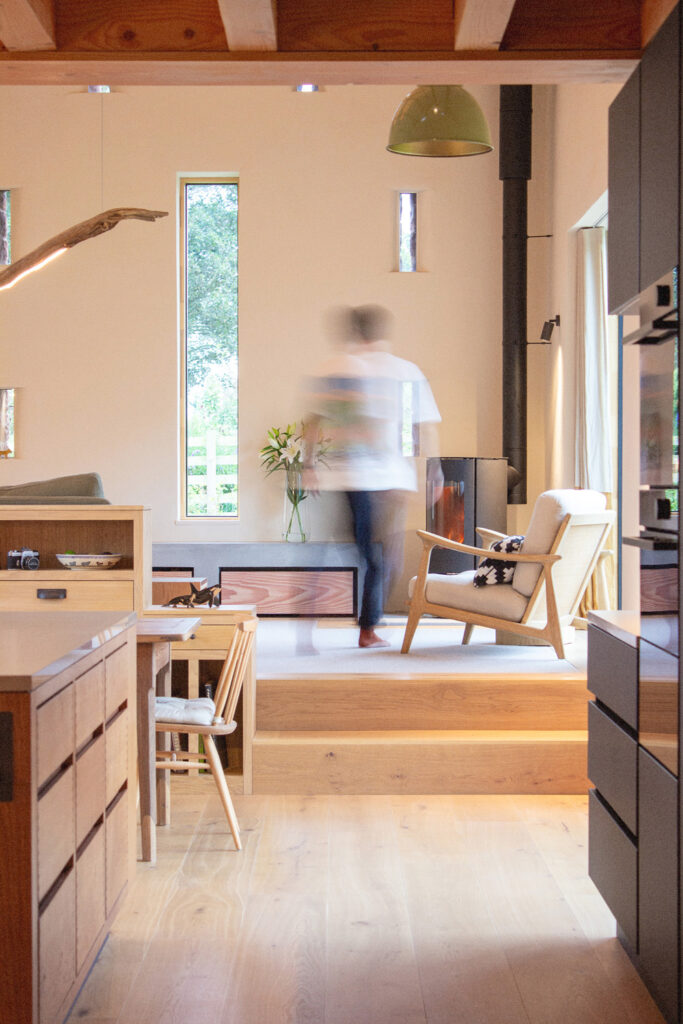
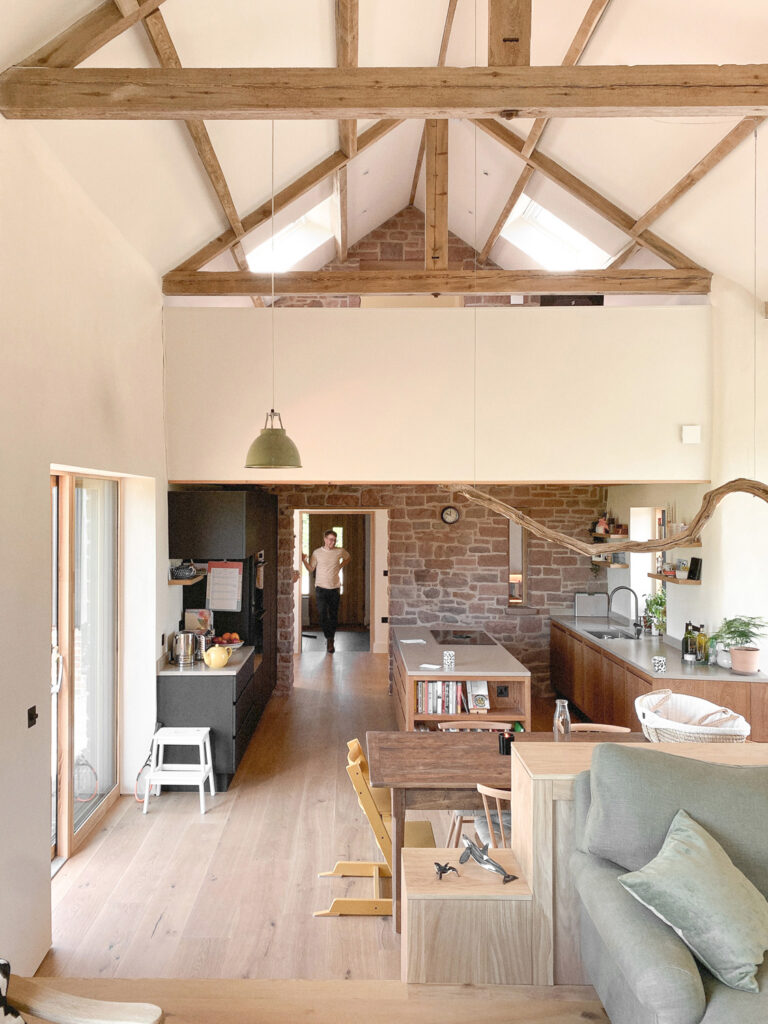
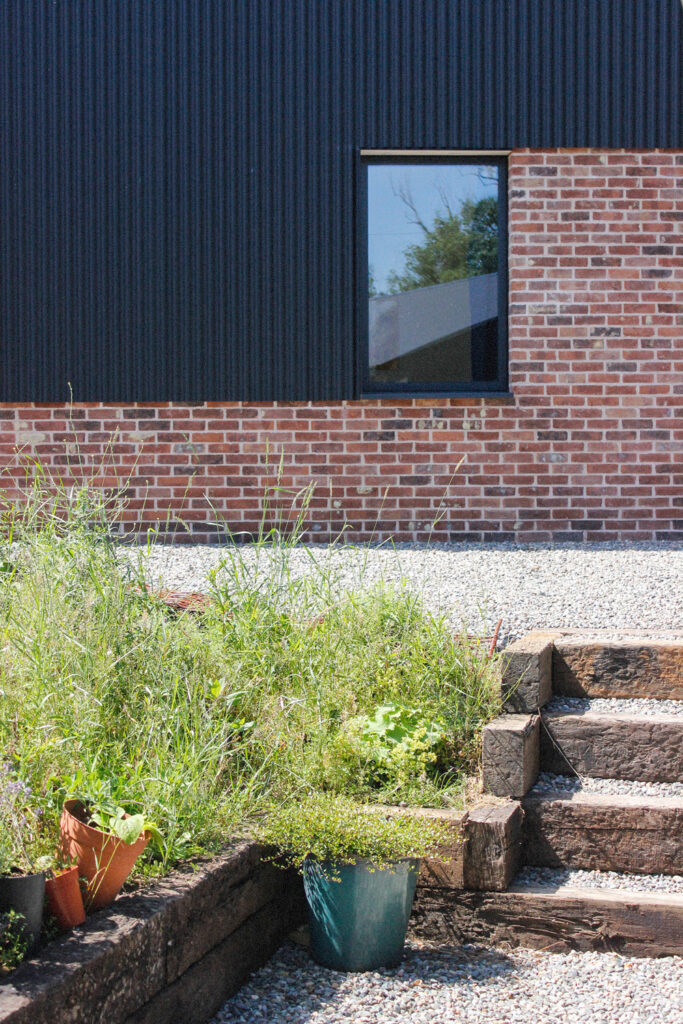
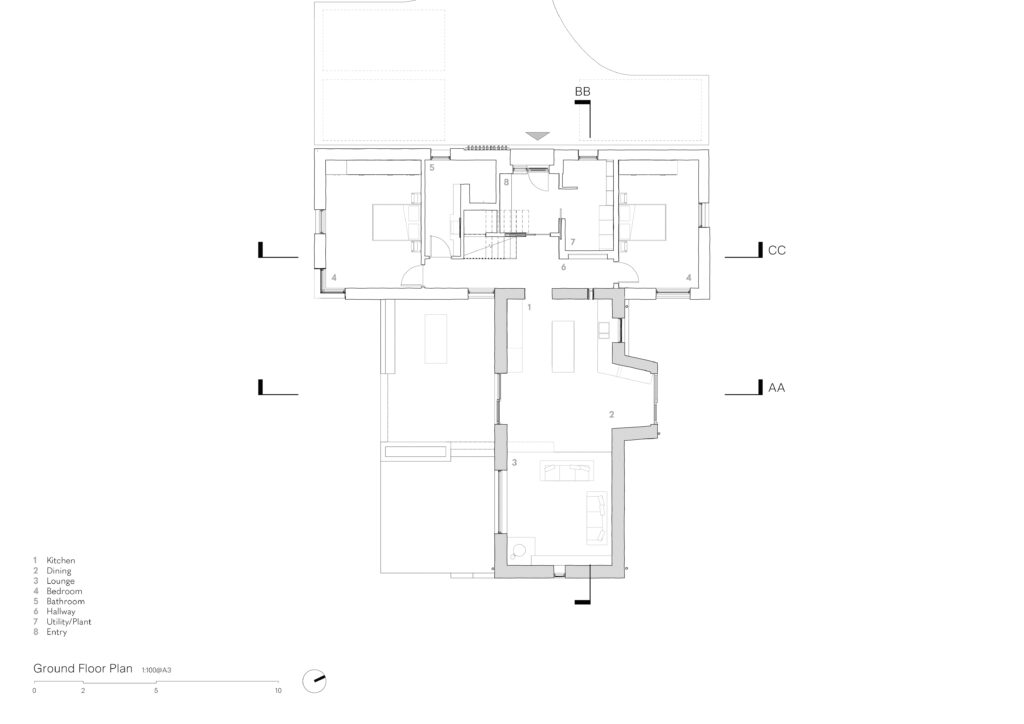
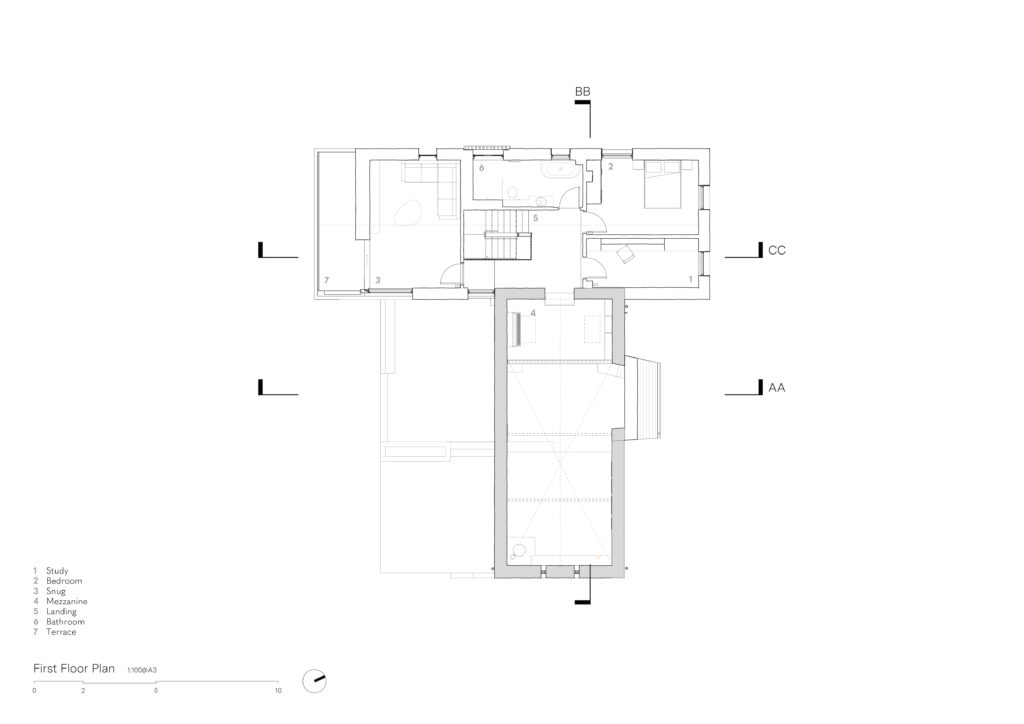
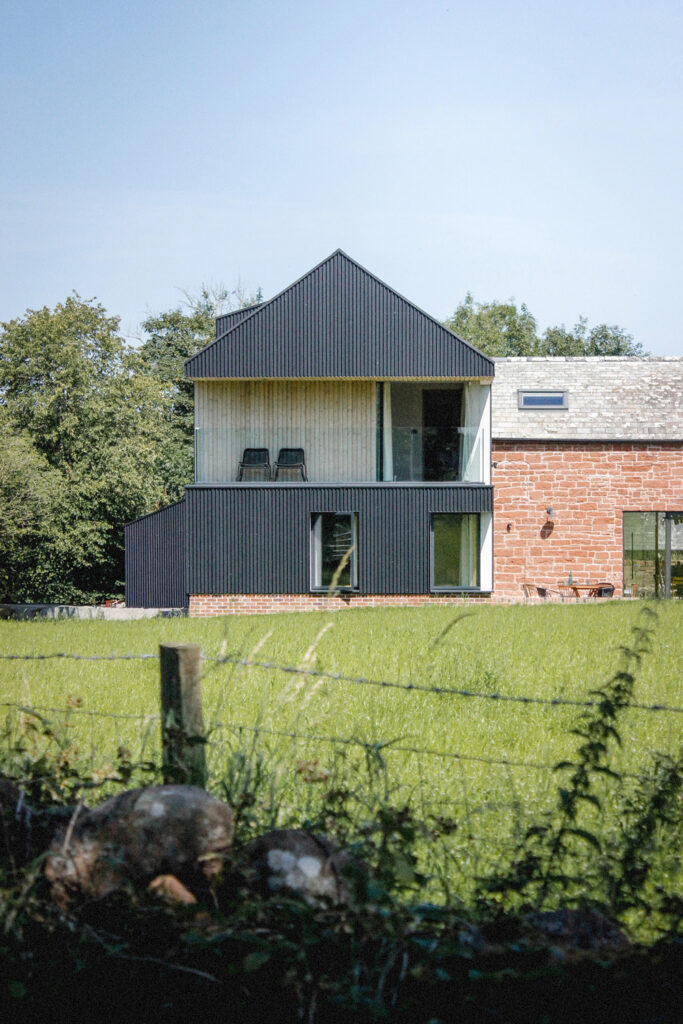
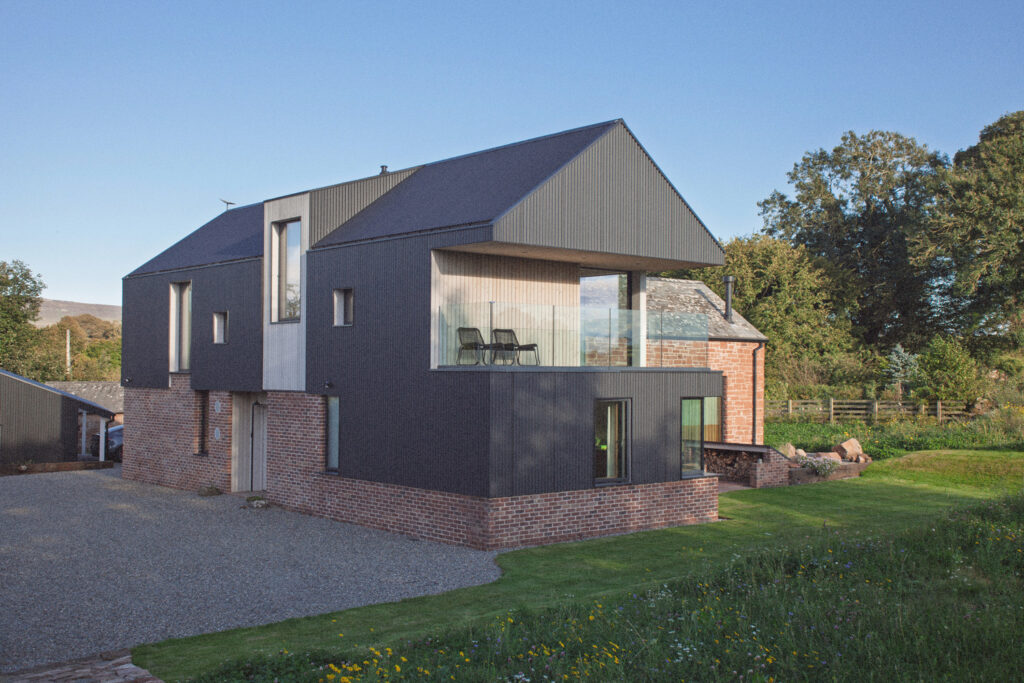
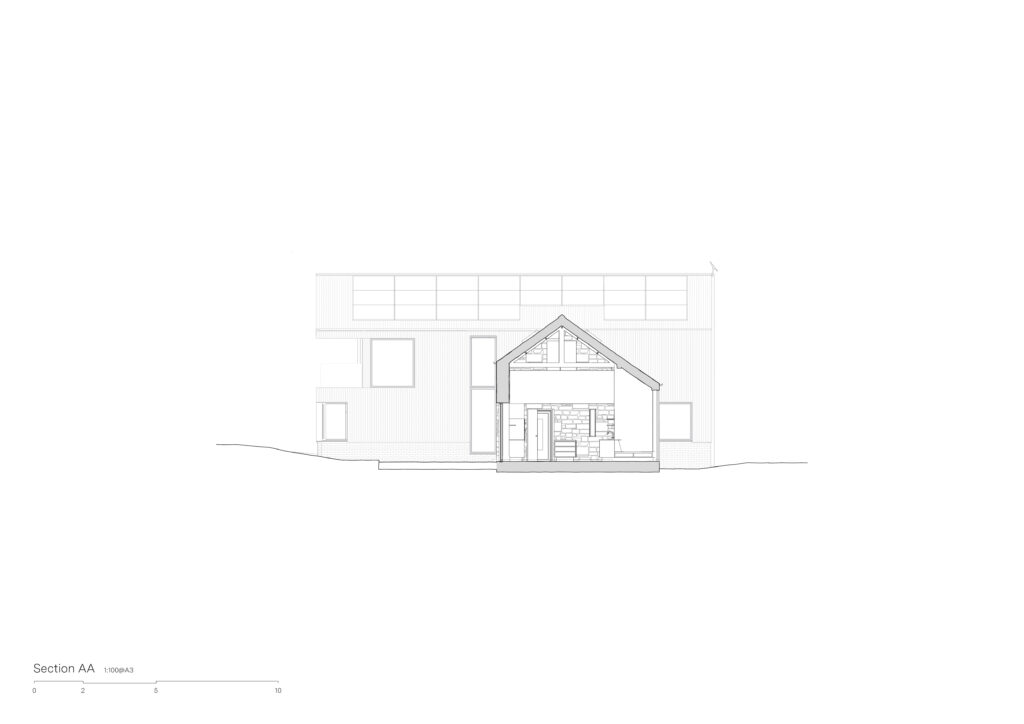
The original barn now forms the central living space, with a dramatic double-height volume and mezzanine that celebrate the character and proportion of the existing structure. A new timber-framed wing extends from the barn to house a study, snug, bedrooms and entry spaces. Metal cladding takes contextual inspiration from nearby agricultural buildings. Within this tightly planned addition, overlapping elements — stair, boot room and pocket door — create a compact yet generous sequence of spaces, carefully aligned on axis with the barn’s main entry.

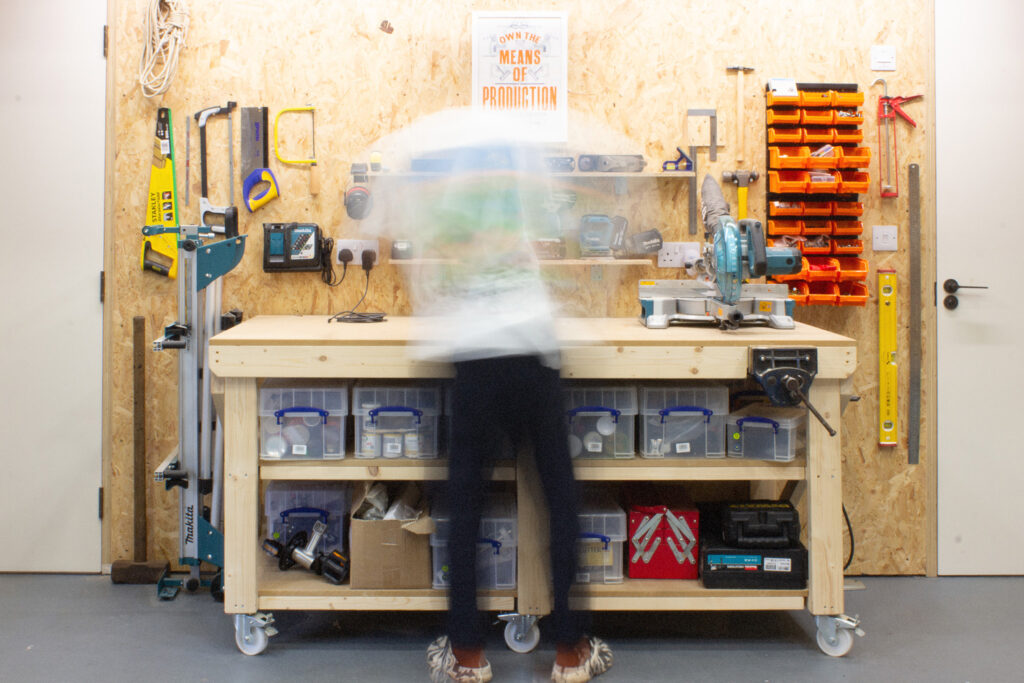
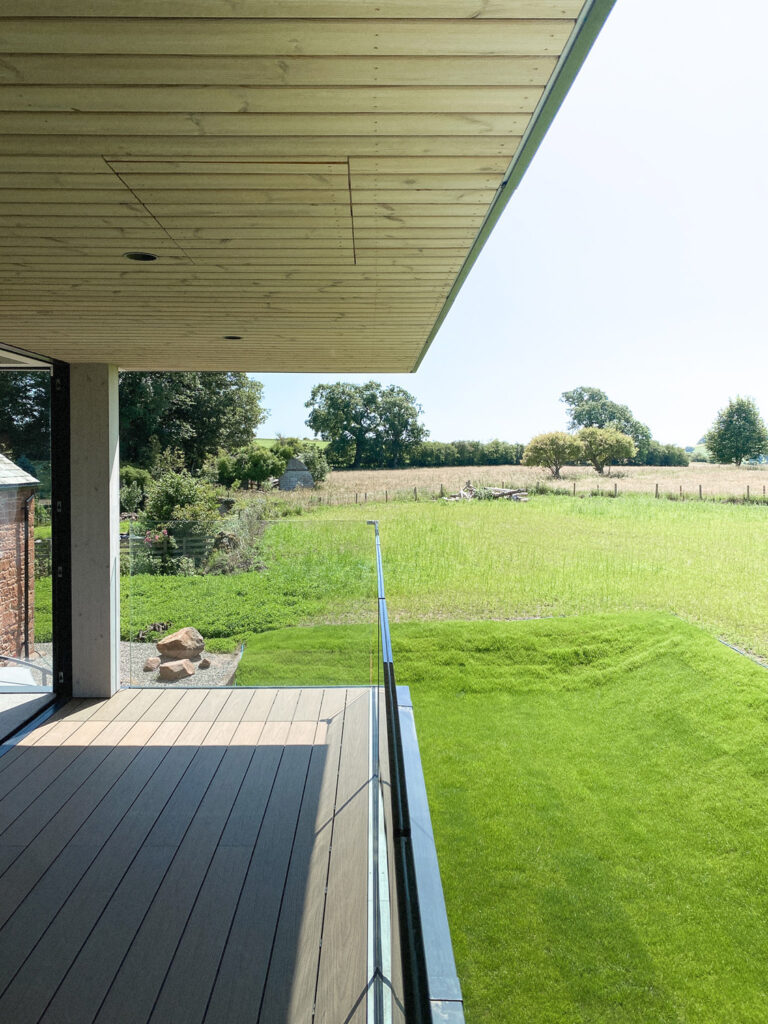
A cantilevered roof shelters an upper terrace, opening wide views across the surrounding landscape from the snug. Nearby, a separate studio workshop provides space for working from home, maintaining the site’s original composition of clustered outbuildings.


Sustainability is embedded in the project from the outset. Beginning with the careful selection of an appropriate barn to minimise embodied carbon. Reusing an existing structure in a location with good aspect, solar gain and connectivity avoids the impacts of a greenfield build. This is supported by low-energy operation over the building’s life.

Materials were selected for their environmental performance and local resonance. Innovative diathonite cork insulated lining gives the barn a breathable, airtight finish that follows the natural undulations of its walls. Where Greencoat metal sheeting — a plant-based alternative to conventional powder-coated finishes — was fabricated in a low-energy process. Energy systems include a ground source heat pump, MVHR, and a large solar array with battery storage, significantly reducing the operational carbon.

The result is a home that combines the quiet simplicity of the original agricultural buildings with a refined, sustainable architecture — rooted in its place and made for modern family life.


Grimes Graves Neolithic Mine

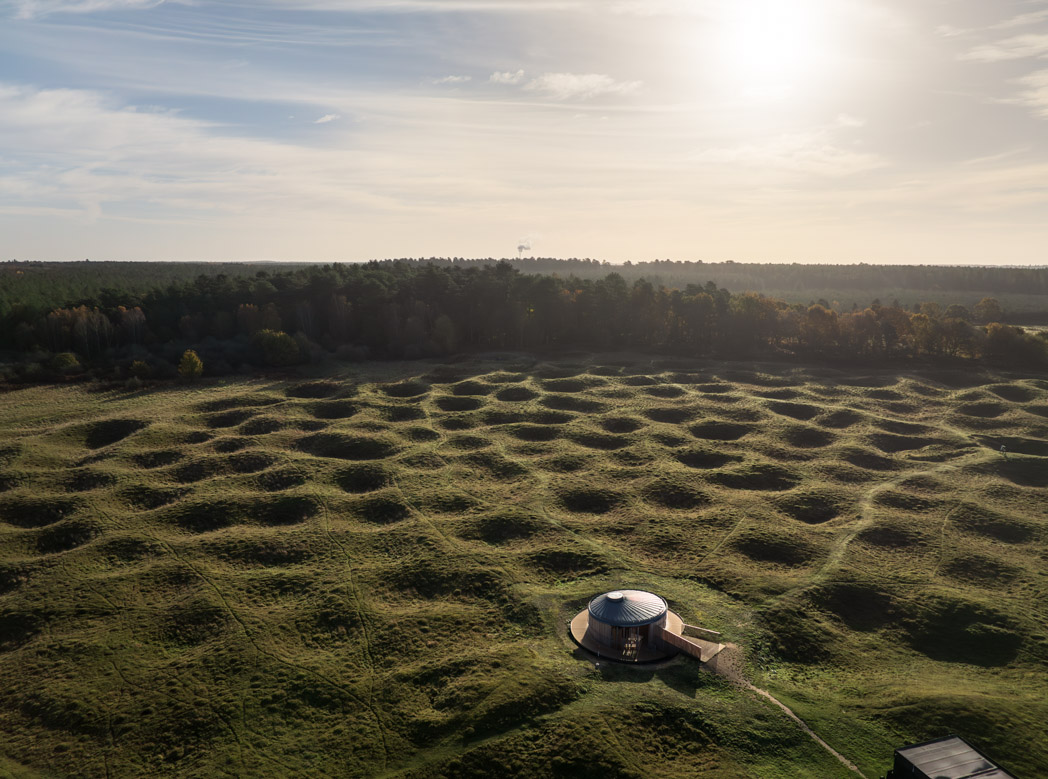
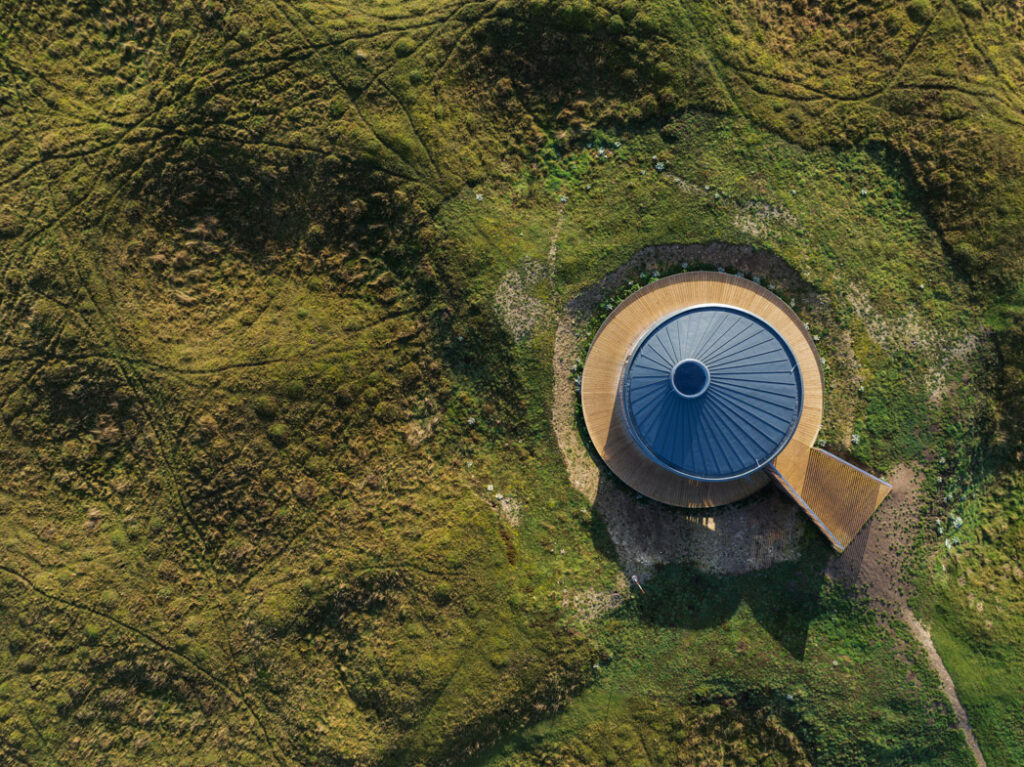
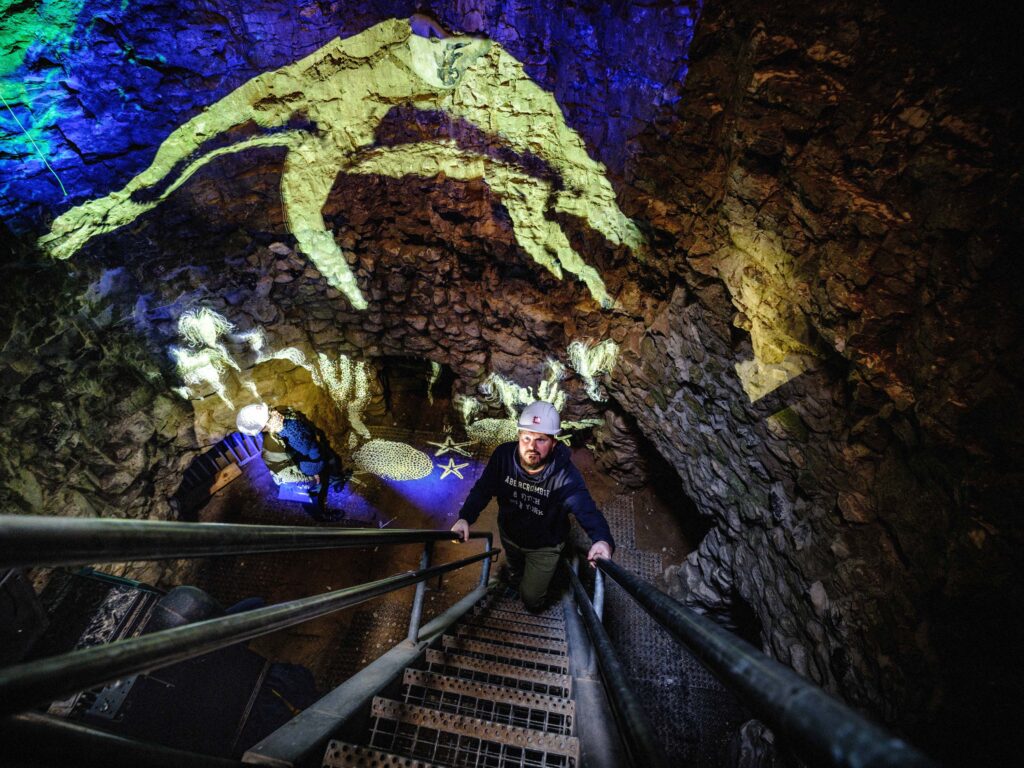
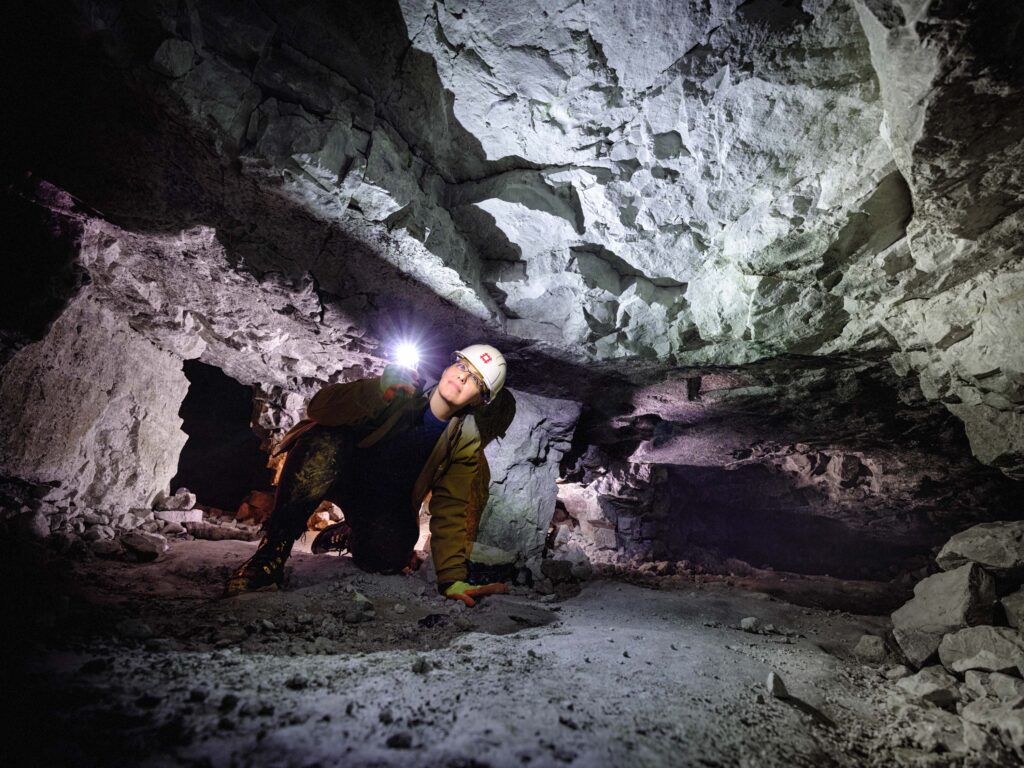
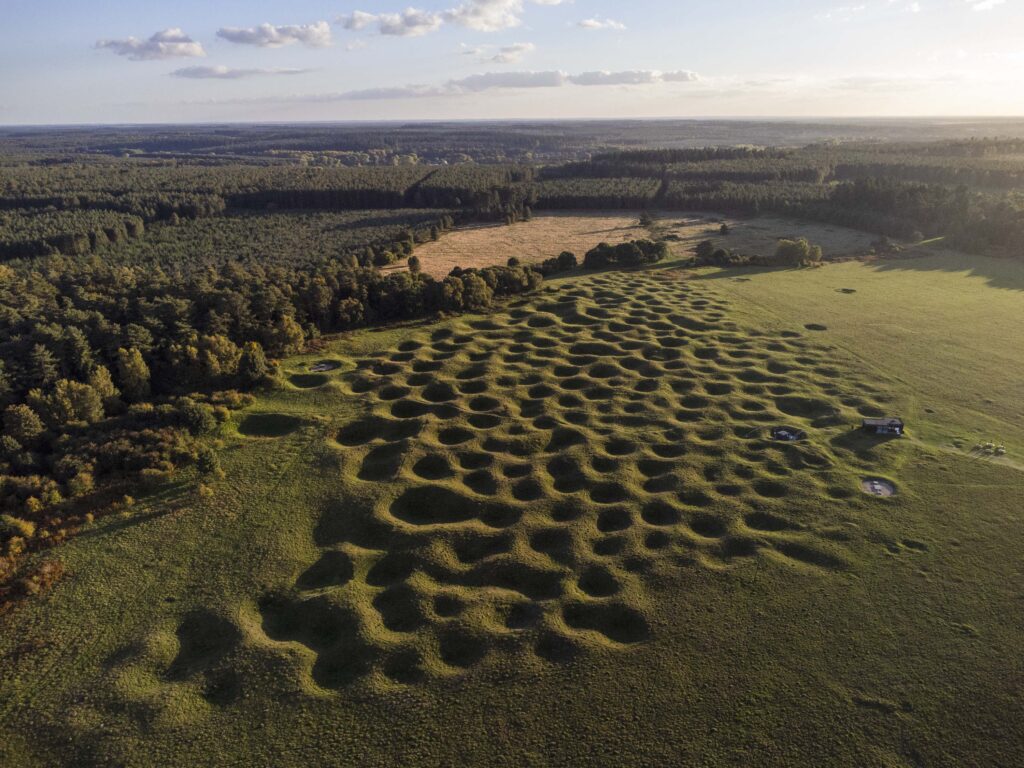
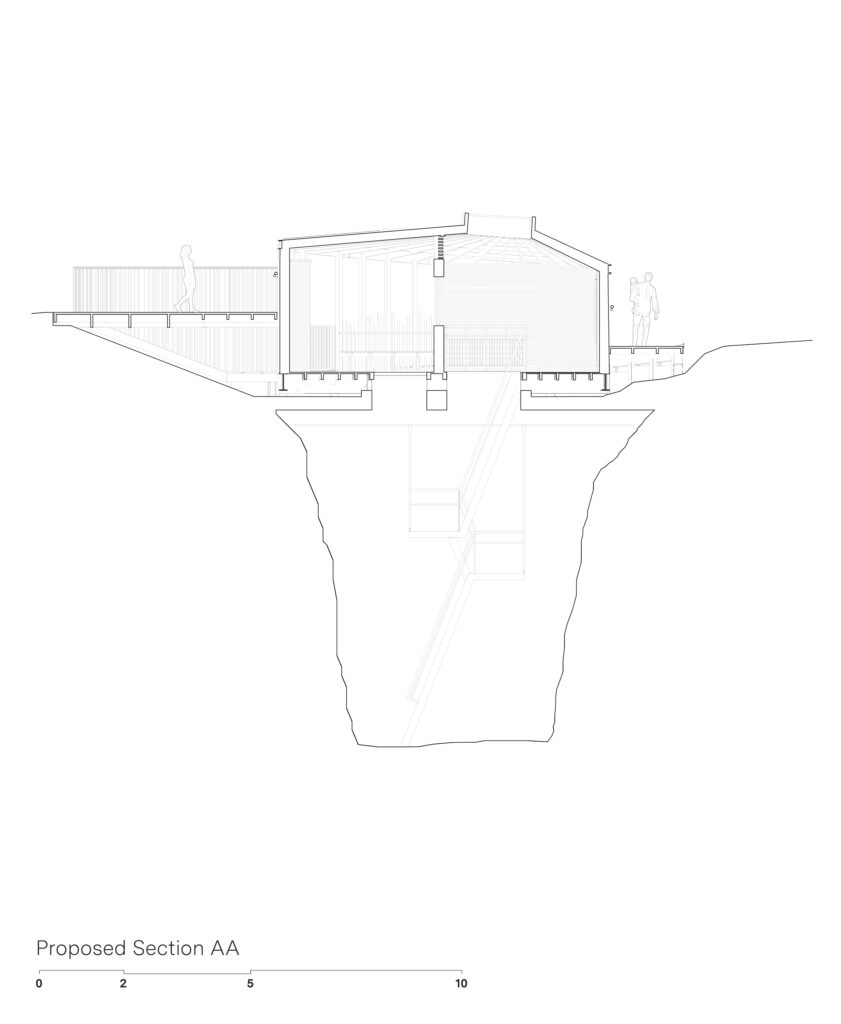
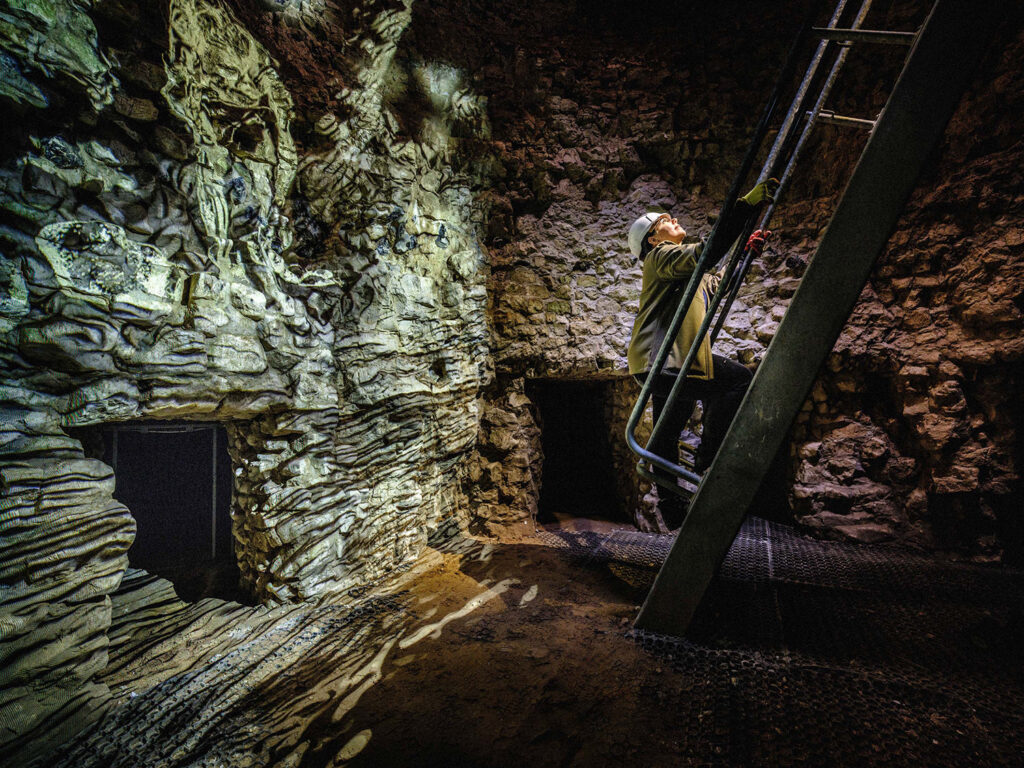
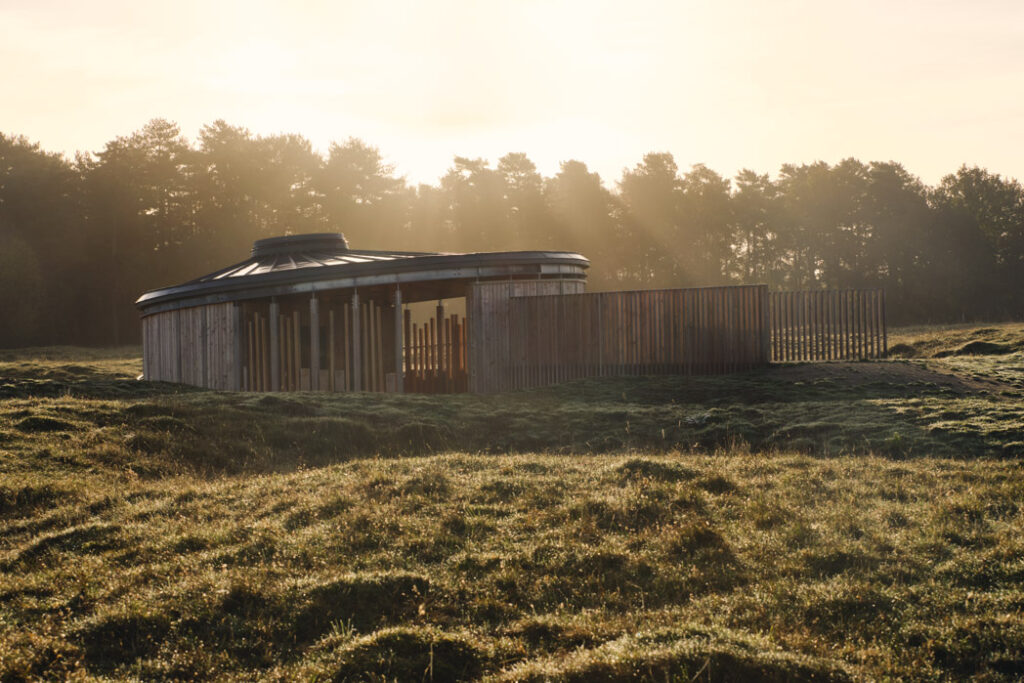
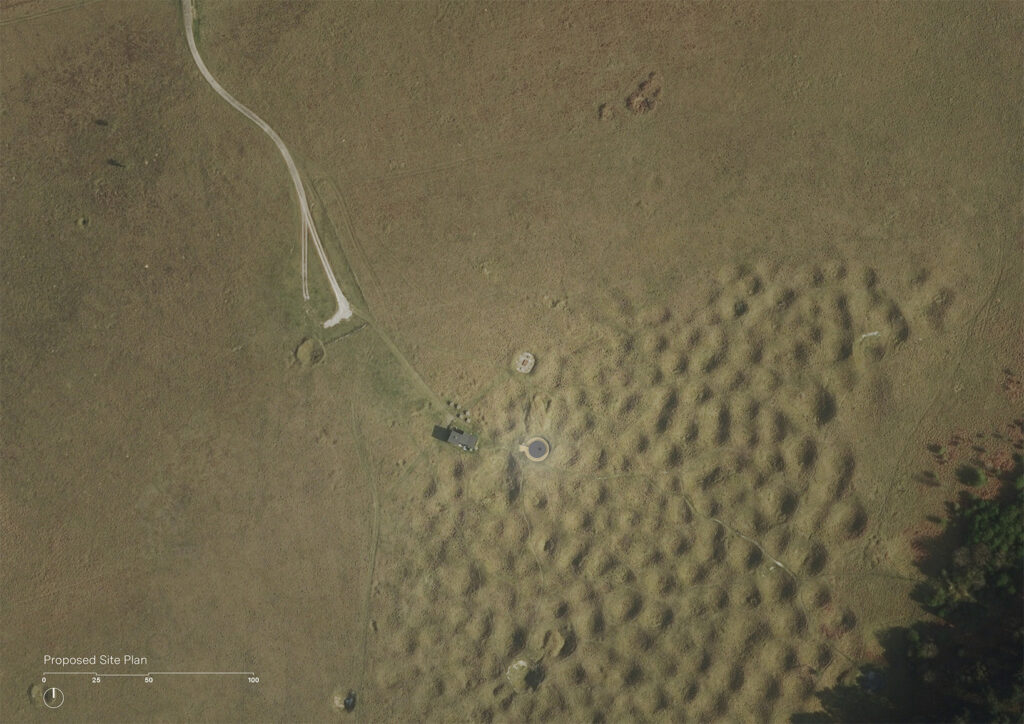
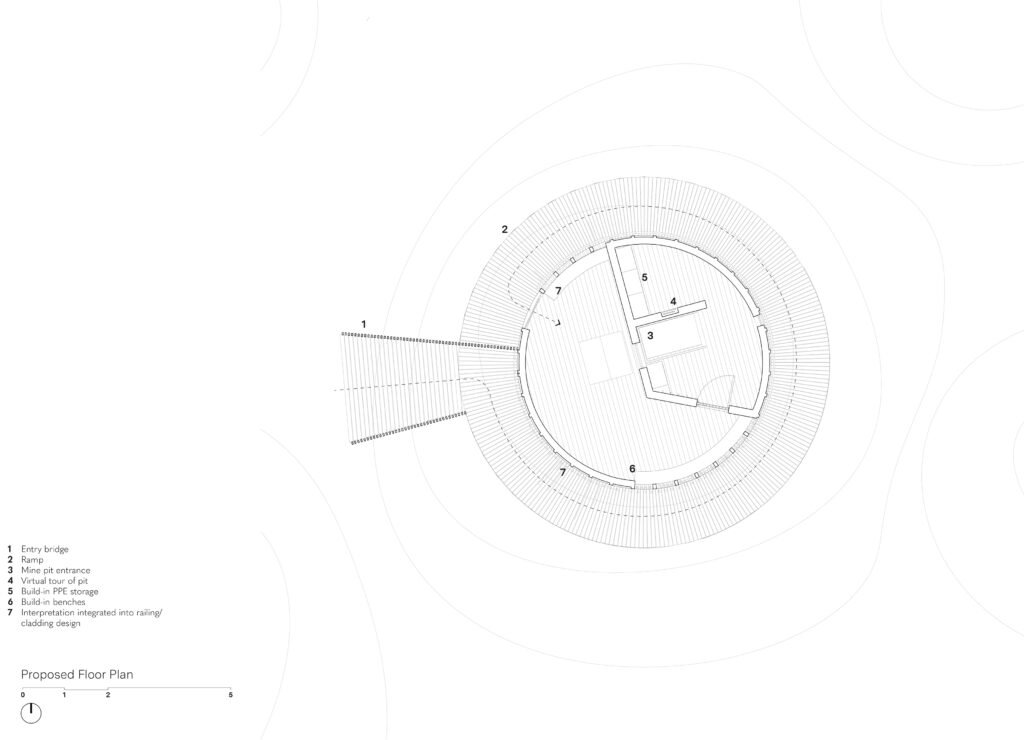
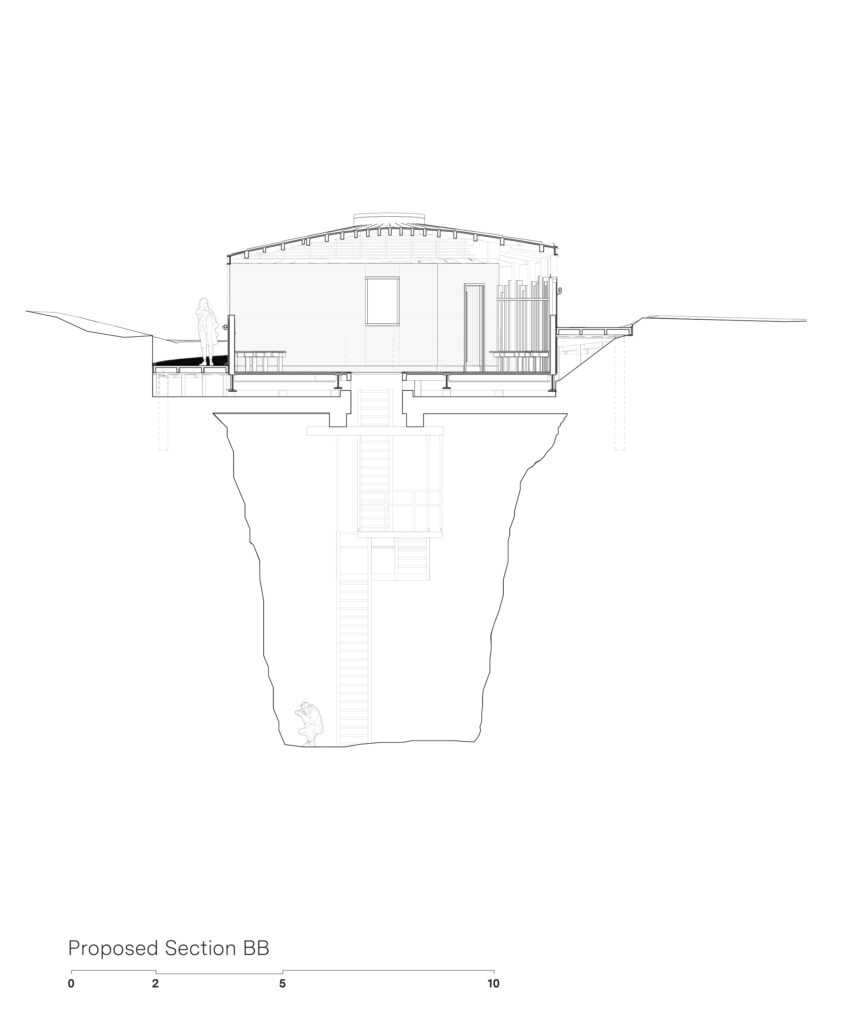
Grimes Graves is the UK’s largest known Neolithic flint mine. Set in Norfolk’s Breckland Heath, it’s a rare site where visitors can descend into a 4,500-year-old mine. The new building over Pit 1 improves access, interpretation, and long-term preservation of this internationally significant site.

The structure had to meet strict constraints. The site is a Scheduled Ancient Monument and a Site of Special Scientific Interest (SSSI). The building could not touch the existing concrete slab or impact the protected landscape.

Grimes Graves MawsonKerr


Grimes Graves MawsonKerr


Grimes Graves MawsonKerr


Grimes Graves MawsonKerr

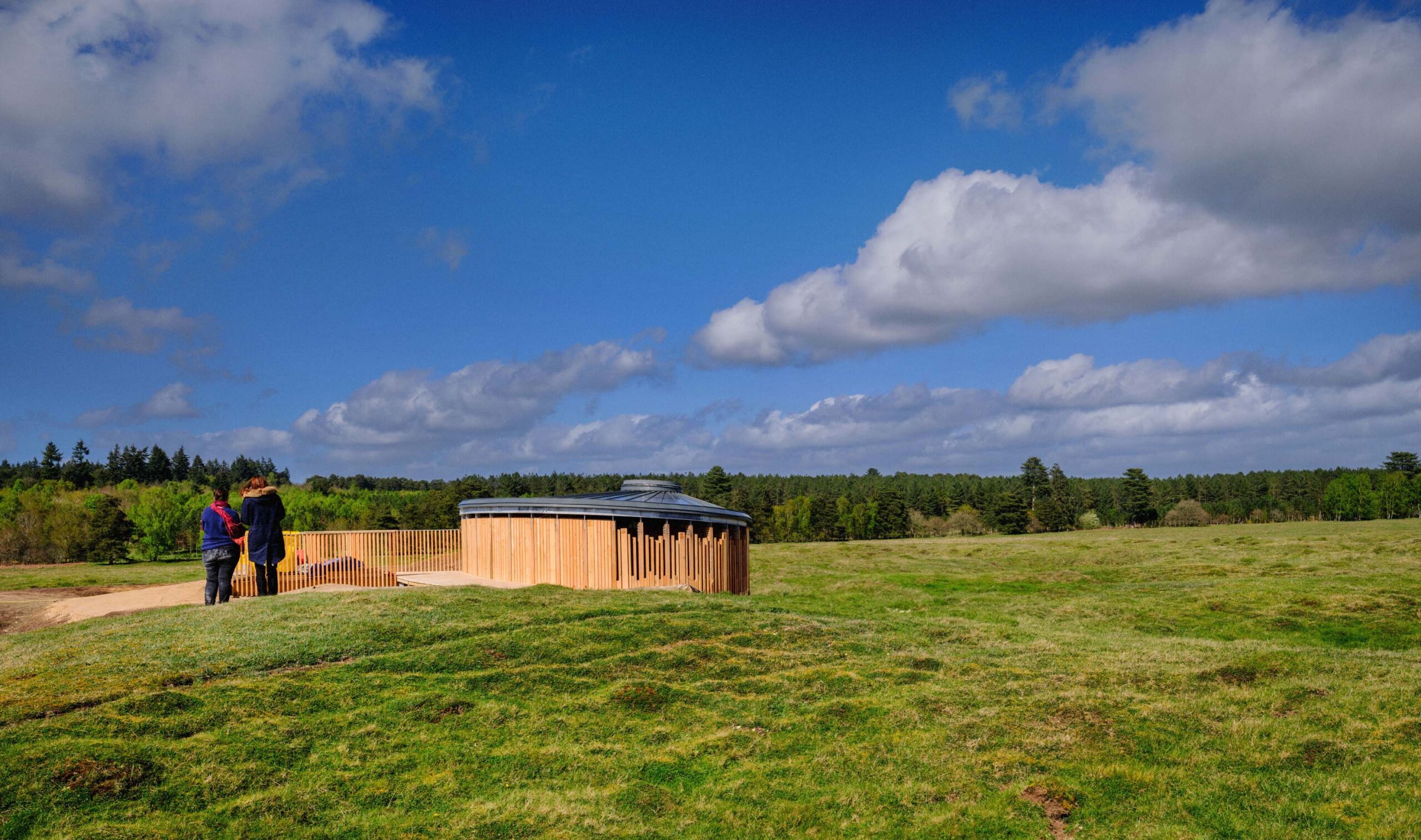
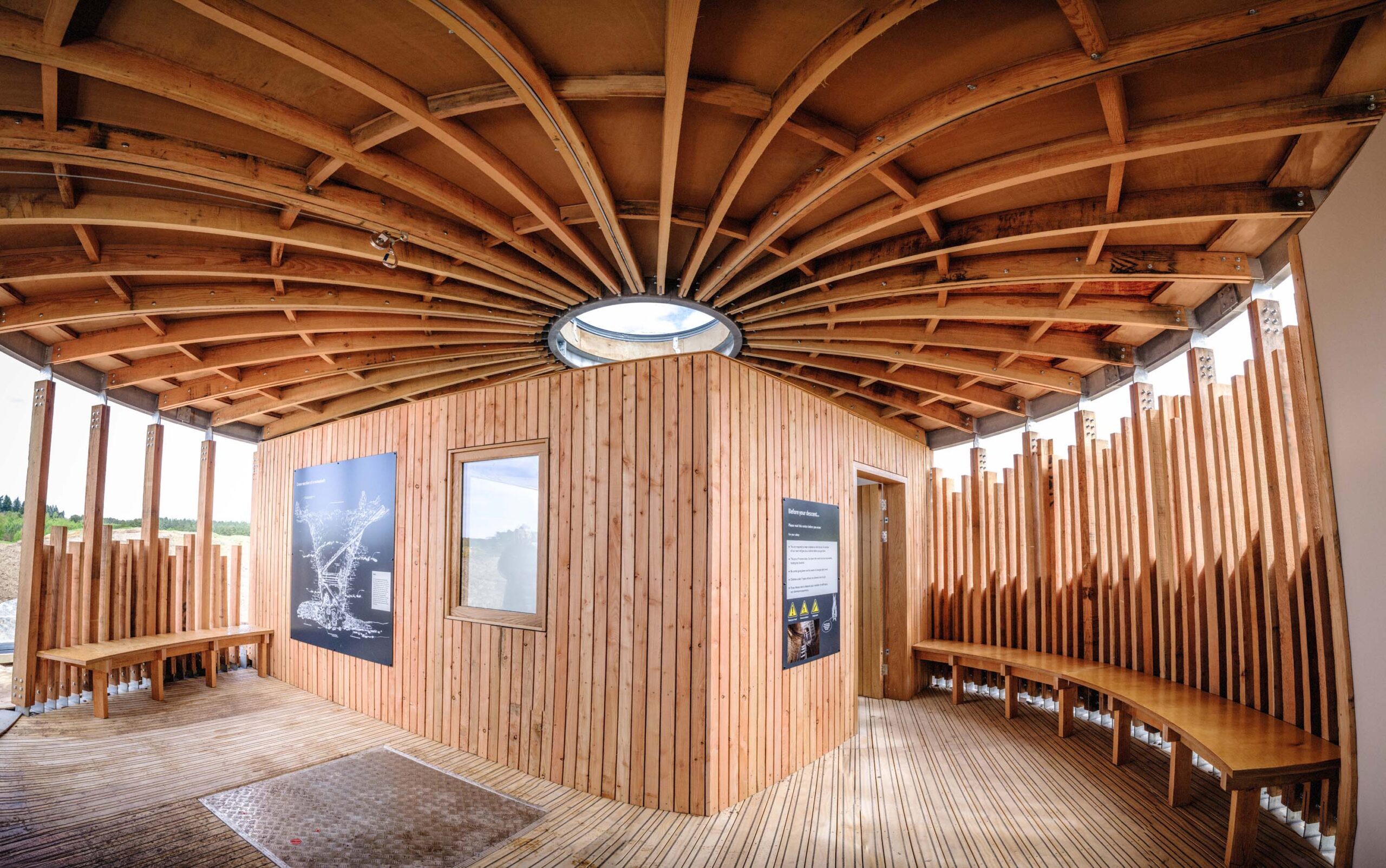
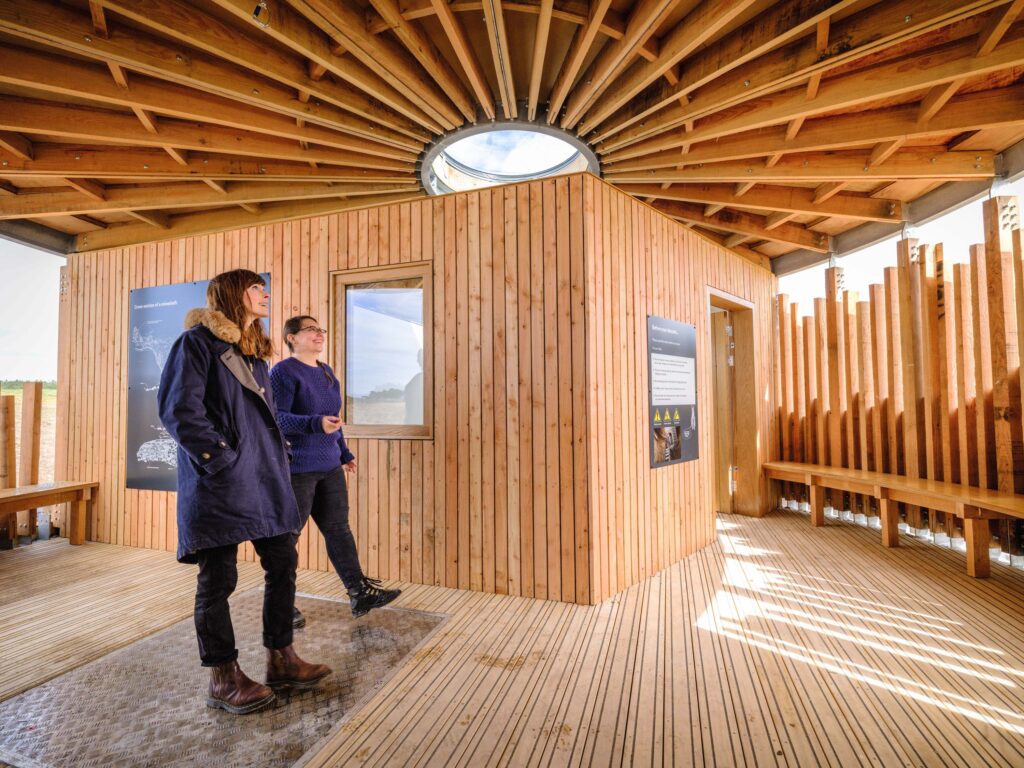
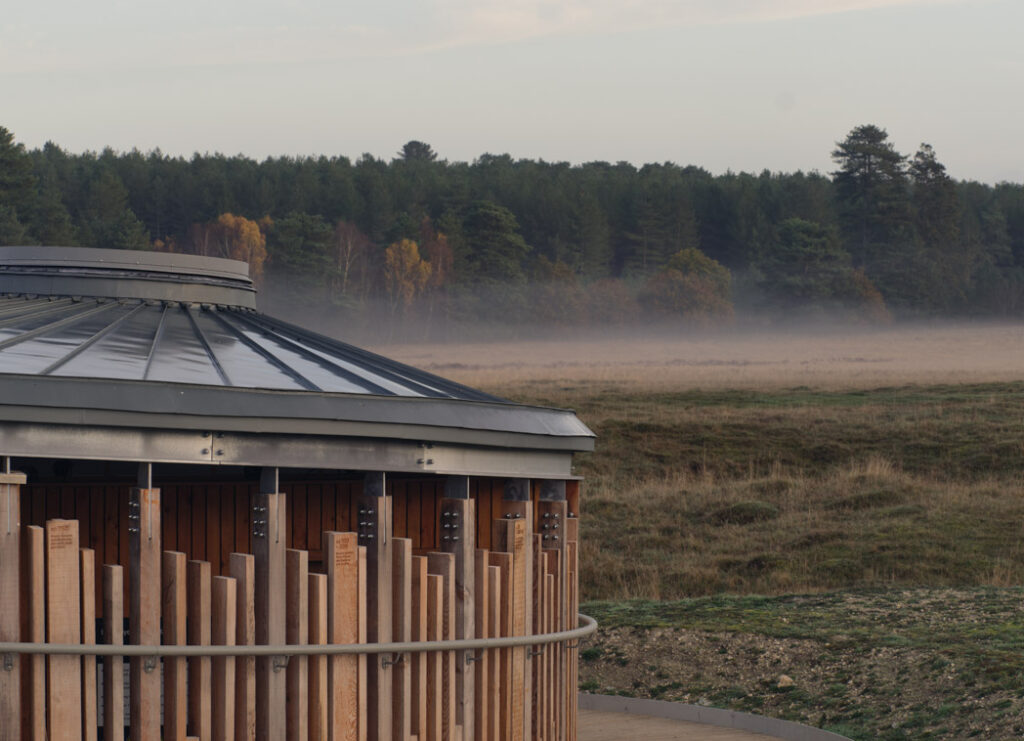
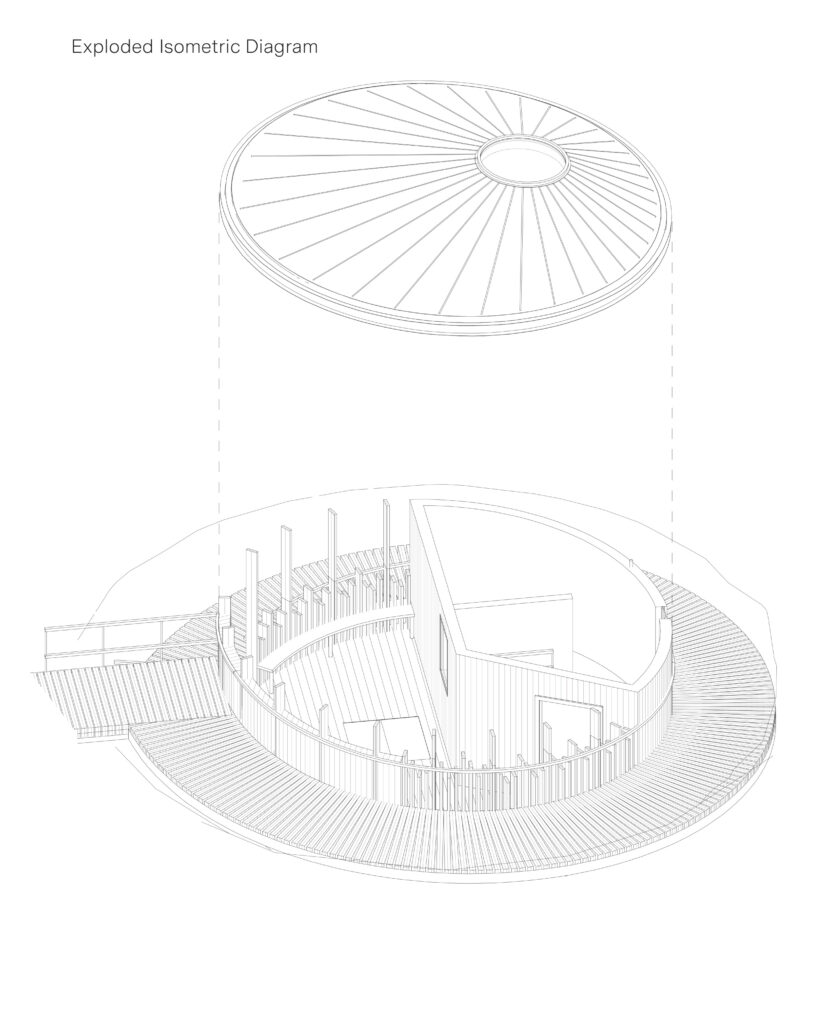
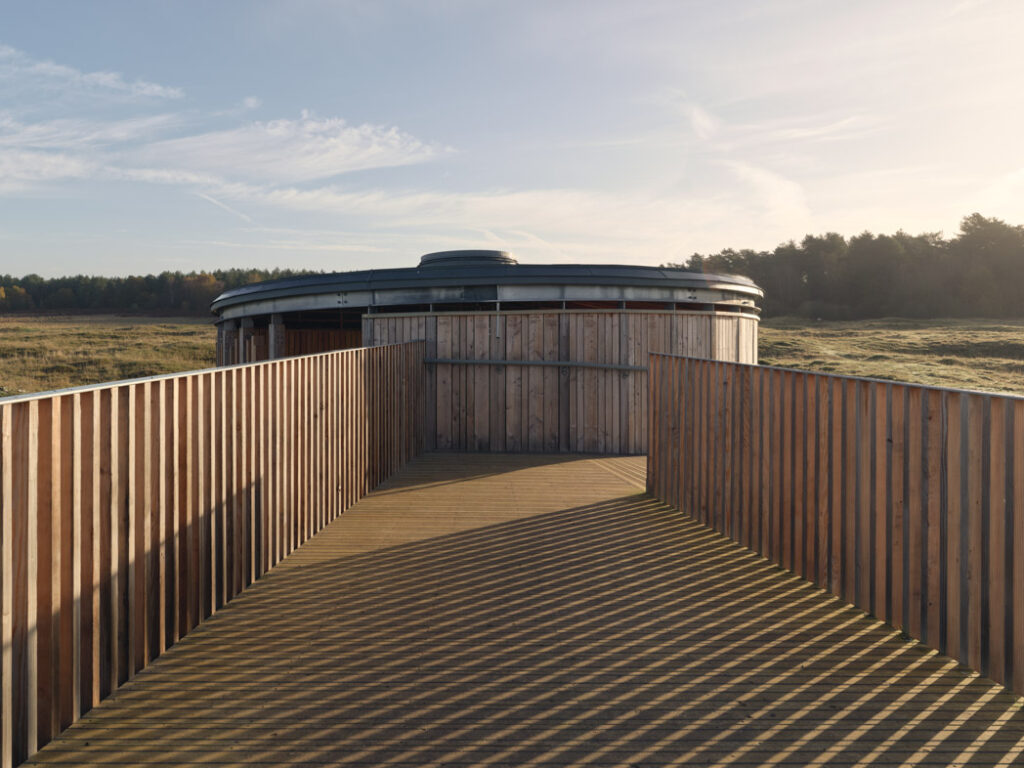
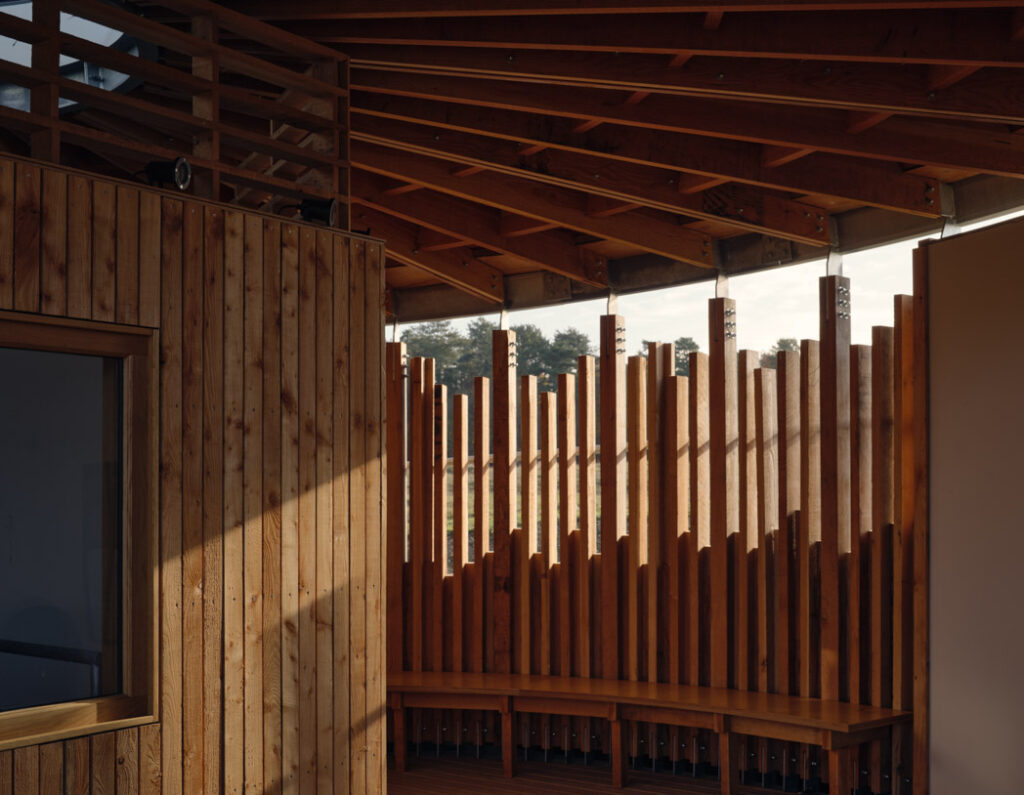
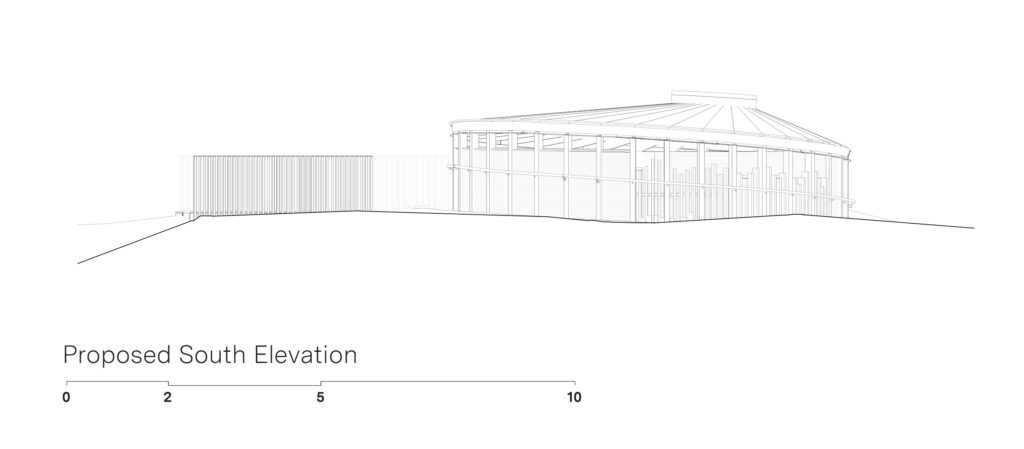
Our solution is a circular timber pavilion that ‘floats’ above the pit. A gently sloped ramp wraps around it, offering inclusive access and a sense of descent through time. Dates from the site’s history are inscribed on the structure, enhancing the interpretive experience. At its centre, a glazed oculus draws natural light into the pit below.

The interior offers interpretation, digital projections, and a place to prepare for the physical descent. For those unable to access the mine, a virtual tour provides a meaningful alternative.

The design uses natural, low-carbon materials including timber and zinc. The structure is demountable and designed for longevity. It requires no heating and minimal lighting. Bats still access the pit freely, while the building protects it from weather and erosion.

Grimes Graves MawsonKerr


Grimes Graves MawsonKerr


Grimes Graves MawsonKerr


Grimes Graves MawsonKerr


Grimes Graves MawsonKerr

Community engagement shaped the project throughout. 23 organisations and community groups were involved through consultations, events, and volunteer programmes. The site now hosts storytelling clubs, learning activities, and inclusive visitor experiences.

Grimes Graves has become a cultural, social, and ecological asset. It welcomes more visitors, supports the local economy, and preserves one of Britain’s most remarkable prehistoric sites.

Link to Grimes Graves

Awards

Structural Timber Awards - Retail and Leisure Project of the Year
Civic Trust - Civic Trust Commendation
IStructE NW - Most Sustainable Project
Building Awards - Small Project of the Year Highly Commended

Grimes Graves MawsonKerr


Grimes Graves MawsonKerr


Grimes Graves MawsonKerr


Grimes Graves MawsonKerr


Grimes Graves MawsonKerr


Grimes Graves MawsonKerr


Grimes Graves MawsonKerr


Grimes Graves MawsonKerr

Grimes Graves MawsonKerr


Grimes Graves MawsonKerr


Whitburn Coastal Conservation Centre

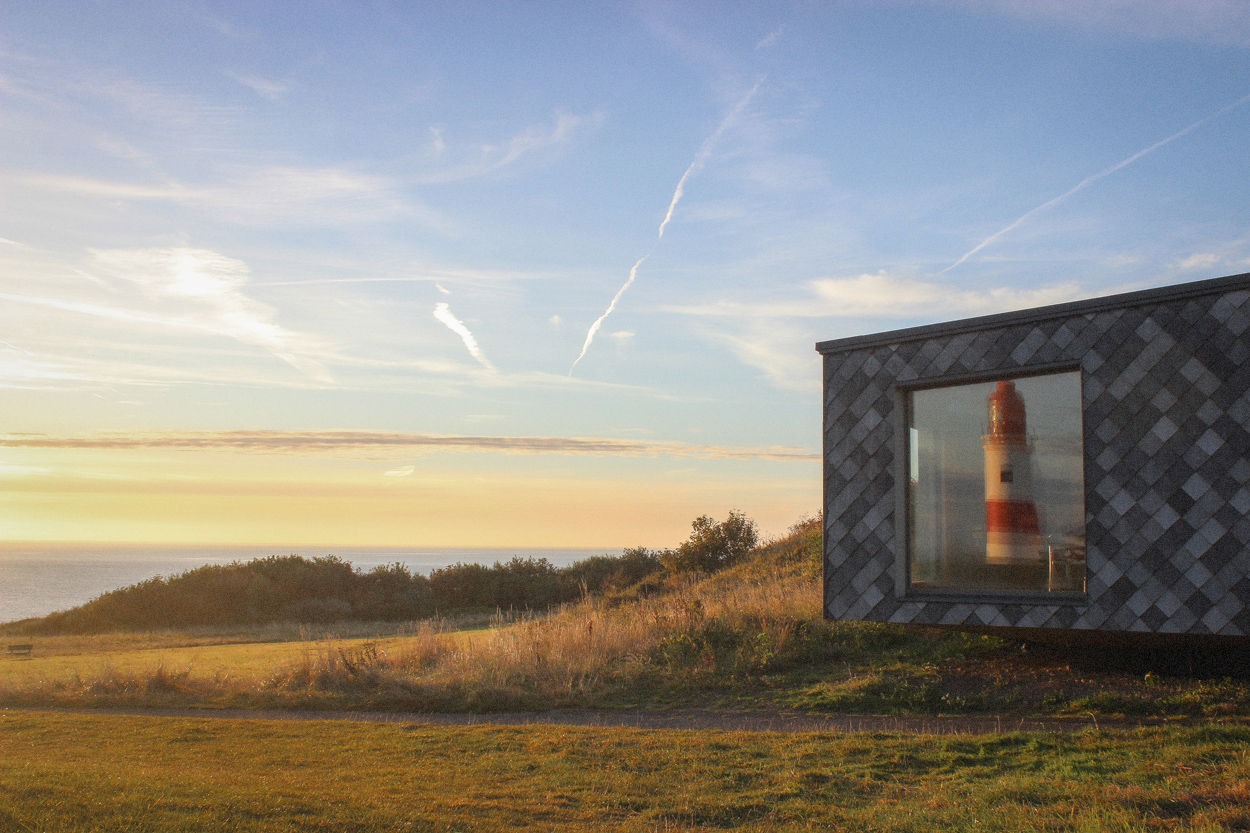
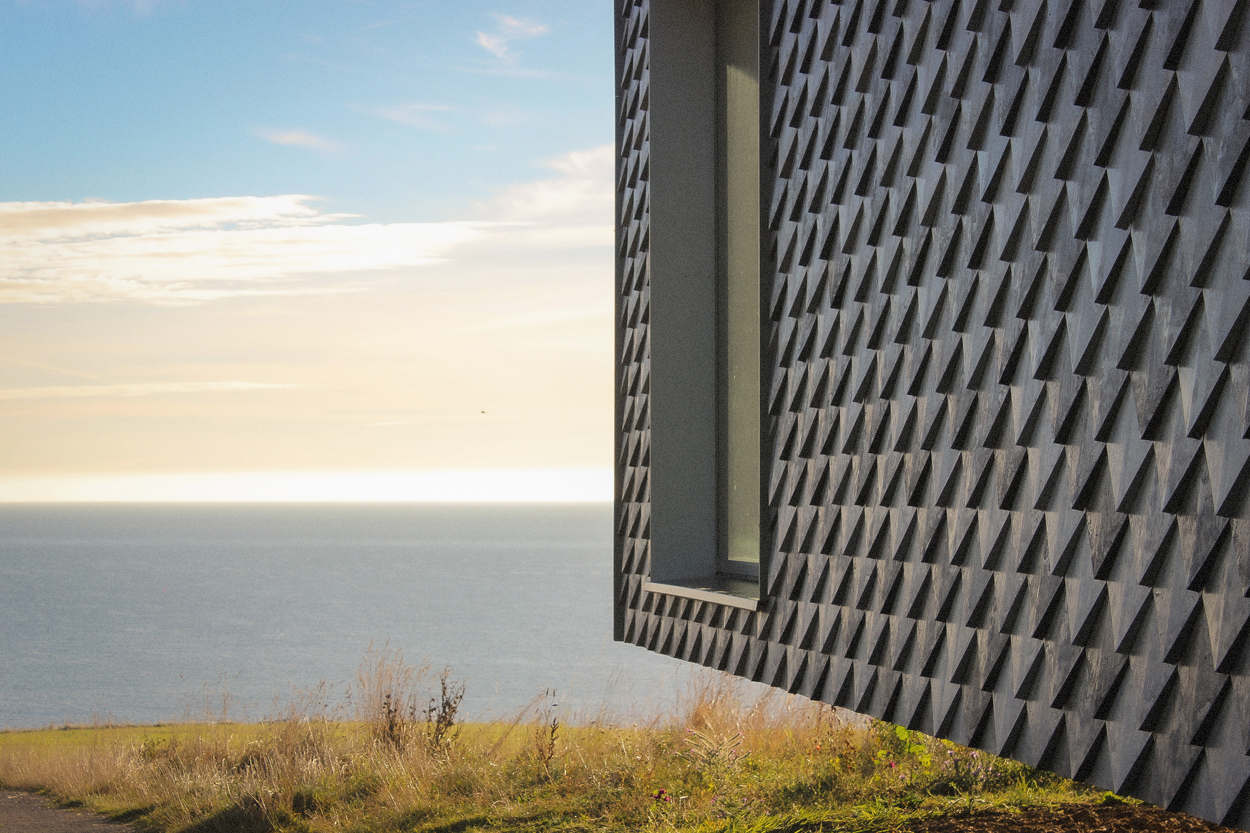
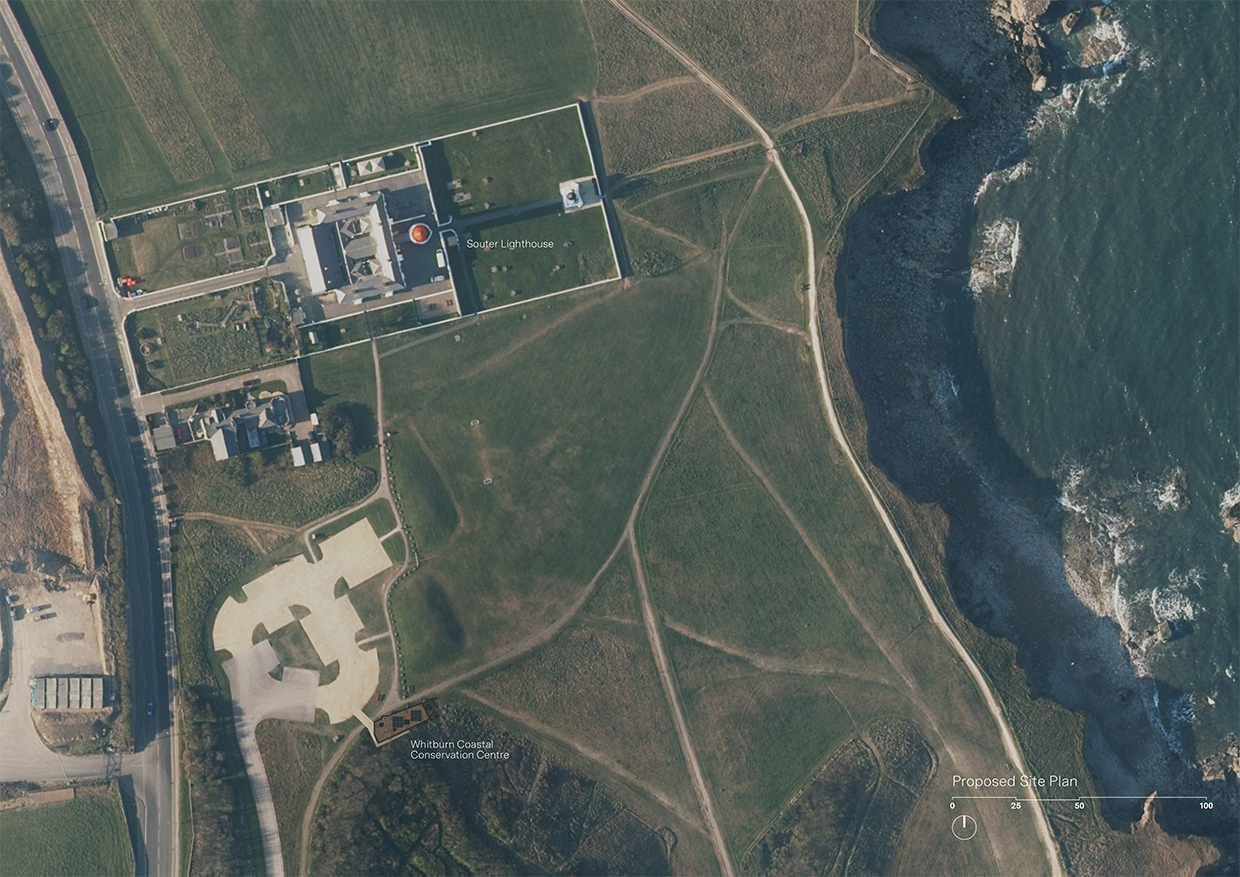
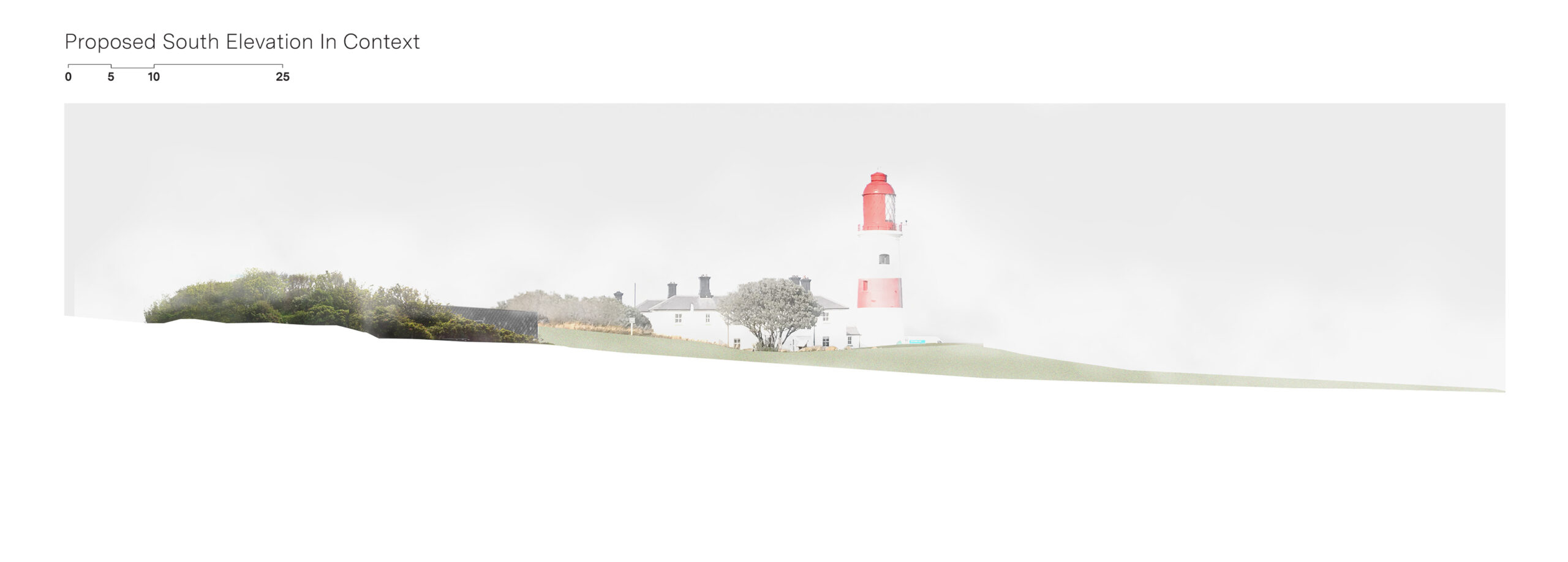
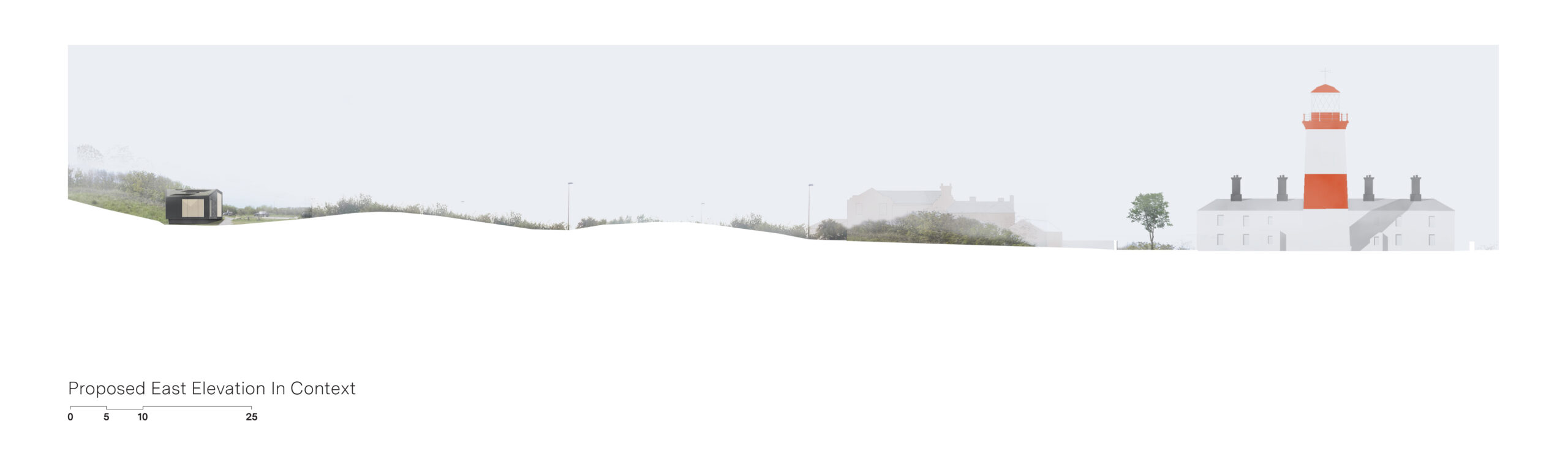
Whitburn Coastal Conservation Centre, a collaboration between National Trust and Seascapes, is sited adjacent to Souter Lighthouse, Whitburn, South Tyneside.

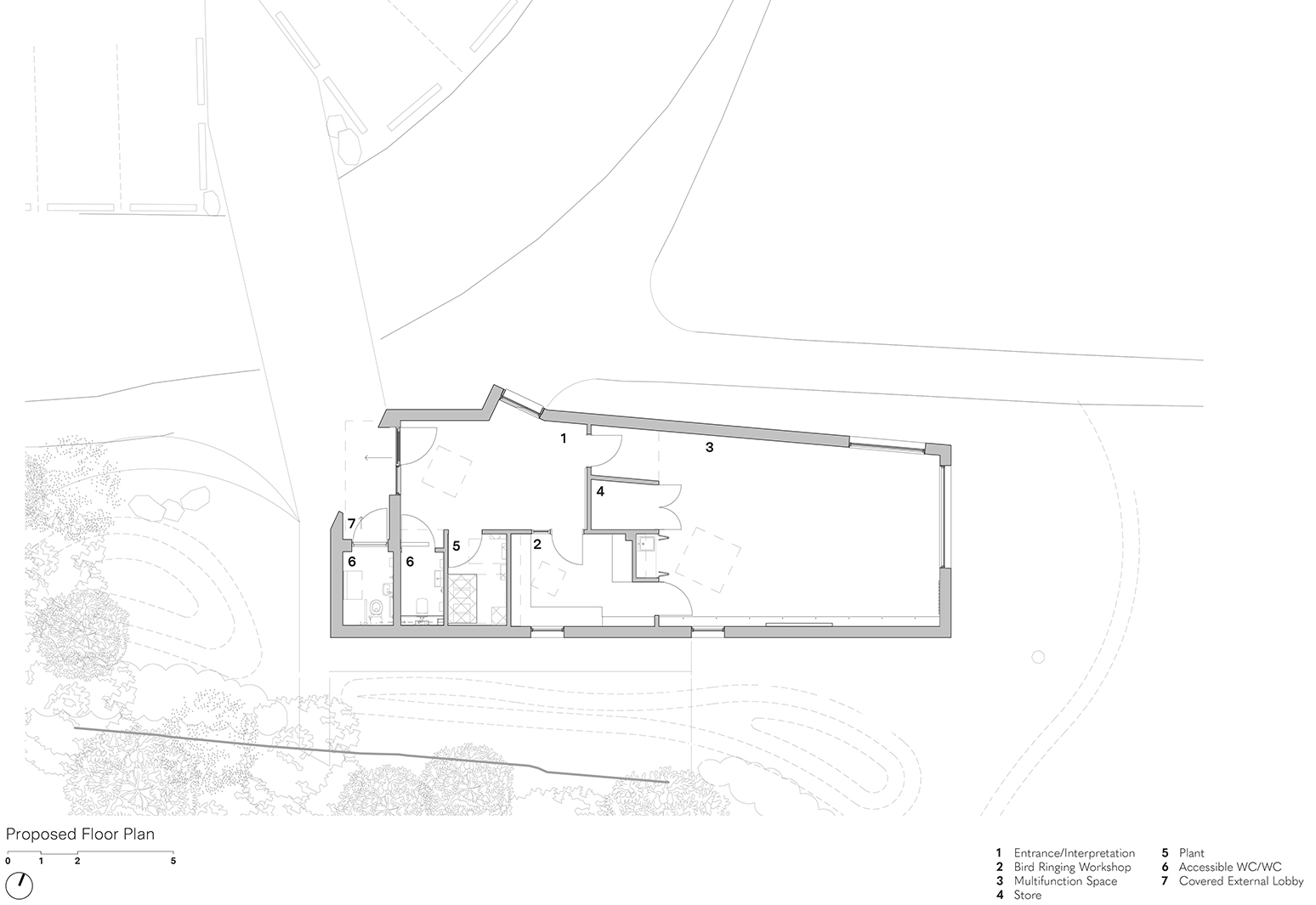
The centre acts as a gateway to The Leas coastline. It also enables community organisations and groups to use the space as a hub for the conservation work and nature programming activities. This in turn helping to raise awareness of North East coastal conservation issues

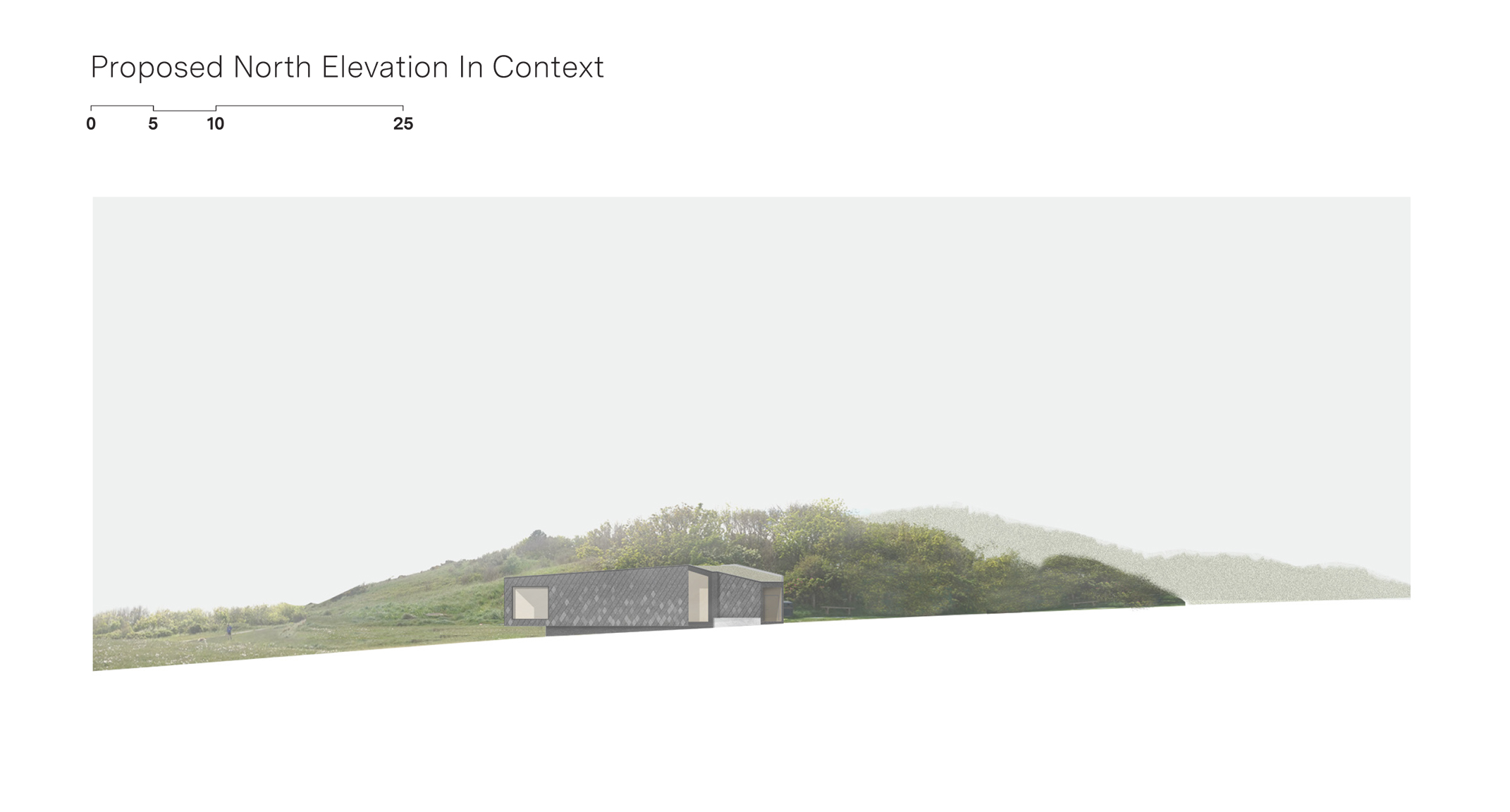
WCCC is located on an extremely complex site. Complexities include it is a Greenbelt; in the curtilage of a Grade 2* listed lighthouse; on top of an infilled quarry; ground gases; an ordnance hazardous area (on a historic firing range); located directly over a huge historic drainage pipe as part of the quarry works. Due to the nature of bird conservation work had to be adjacent to the bird netting area on the hill.

MawsonKerrArchitects_WCCC


MawsonKerrArchitects_WCCC


MawsonKerrArchitects_WCCC


MawsonKerrArchitects_WCCC


MawsonKerrArchitects_WCCC


MawsonKerrArchitects_WCCC

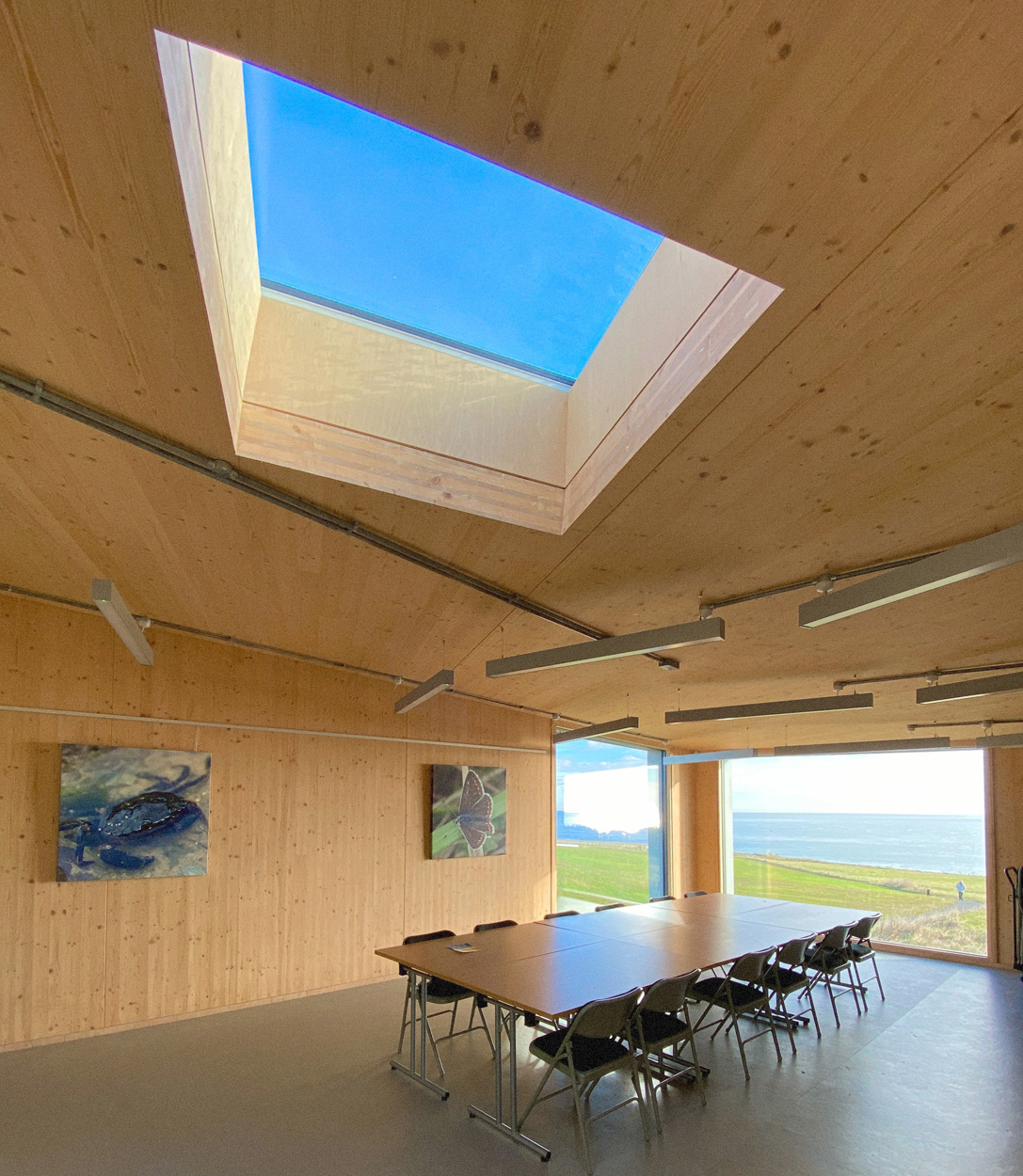
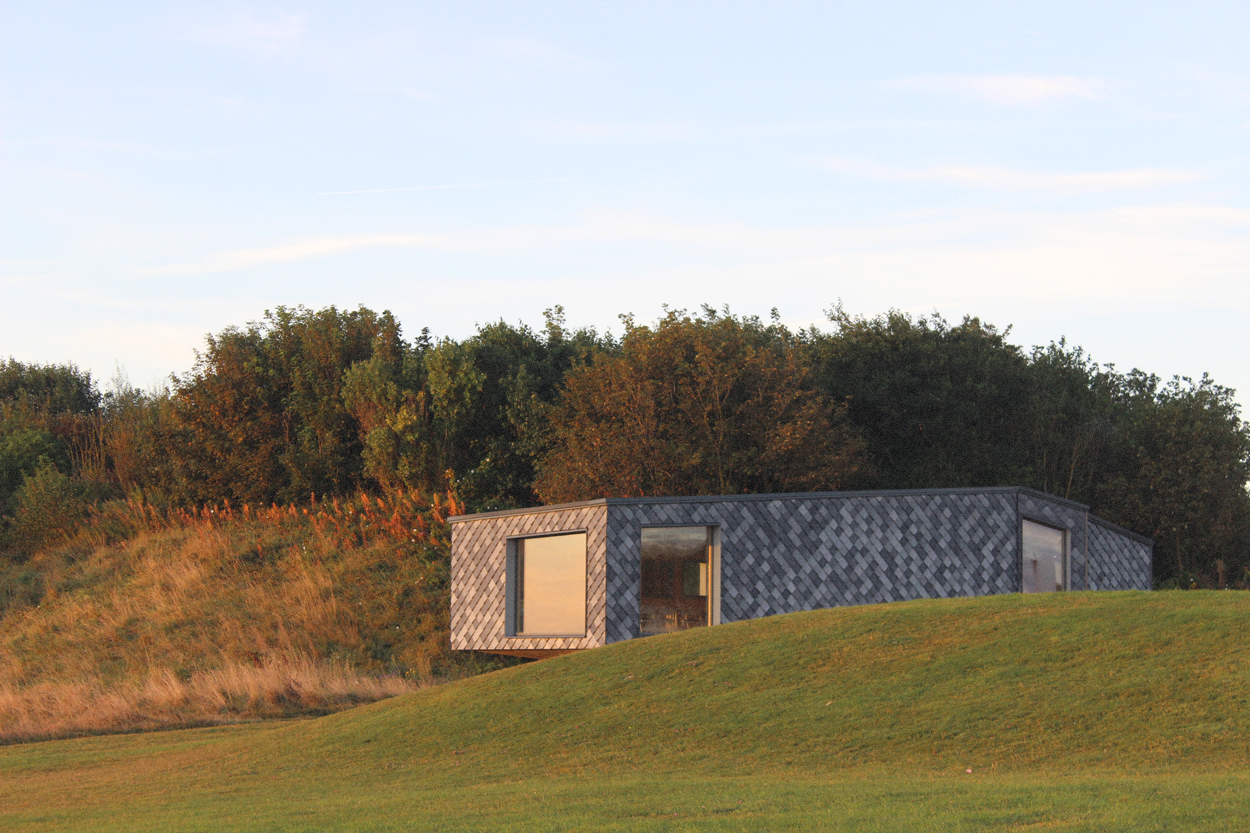
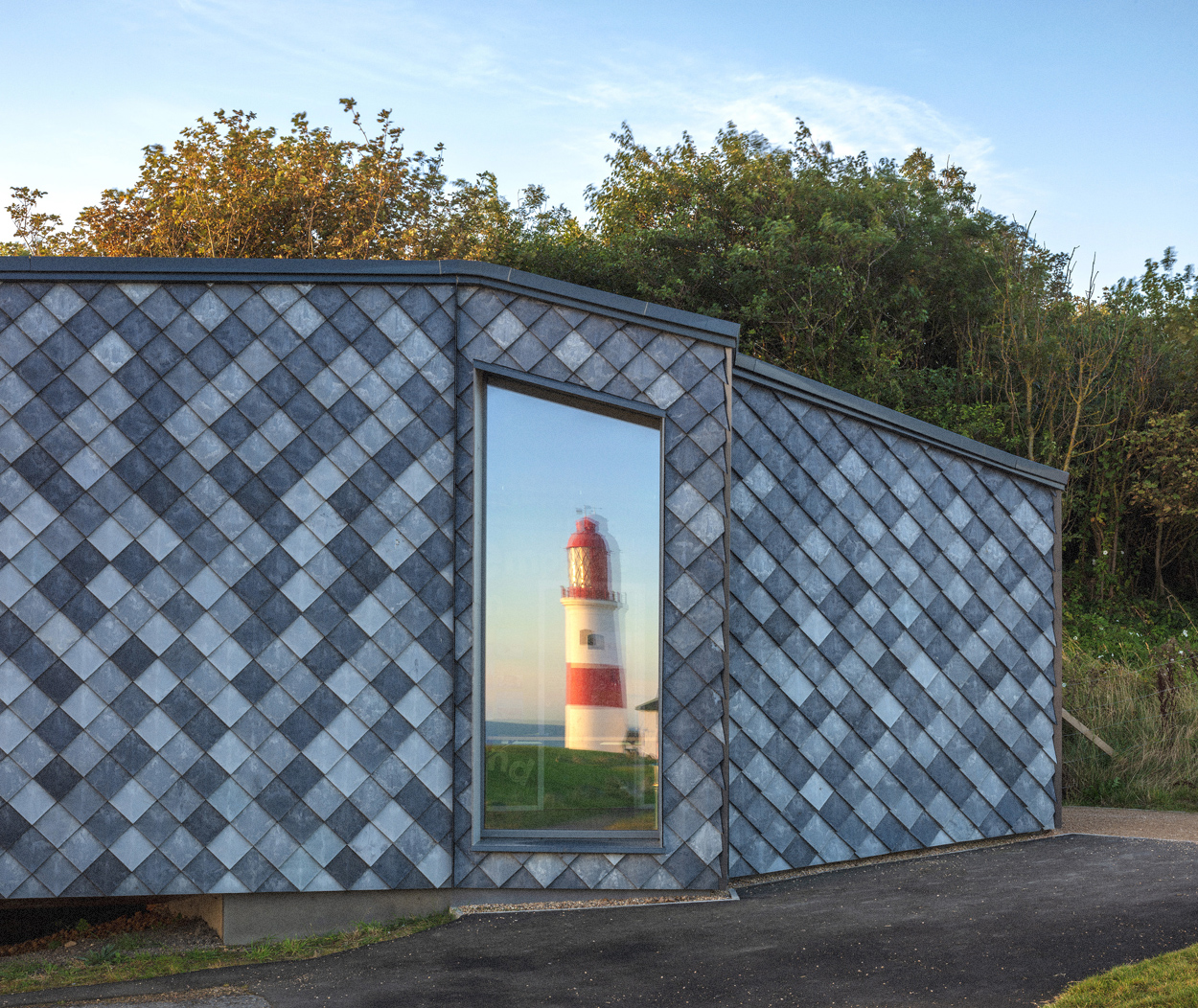
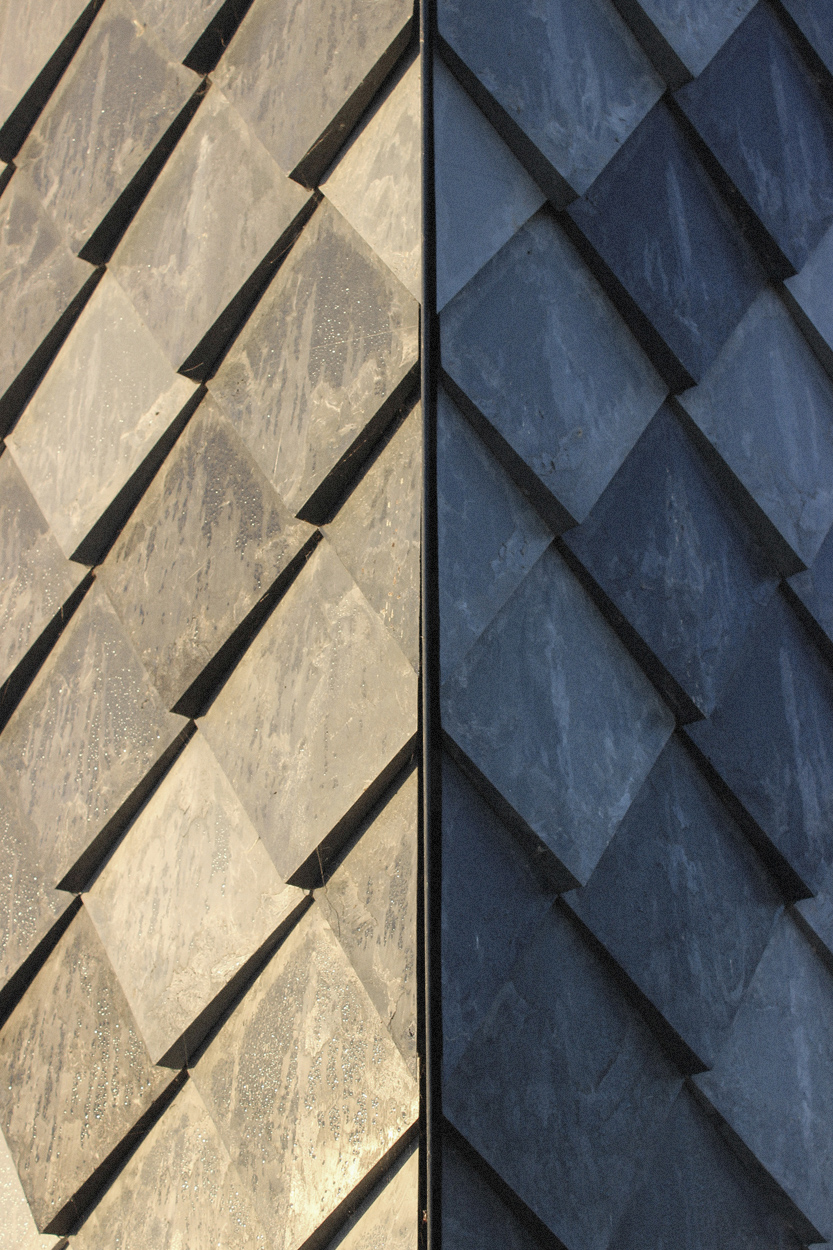
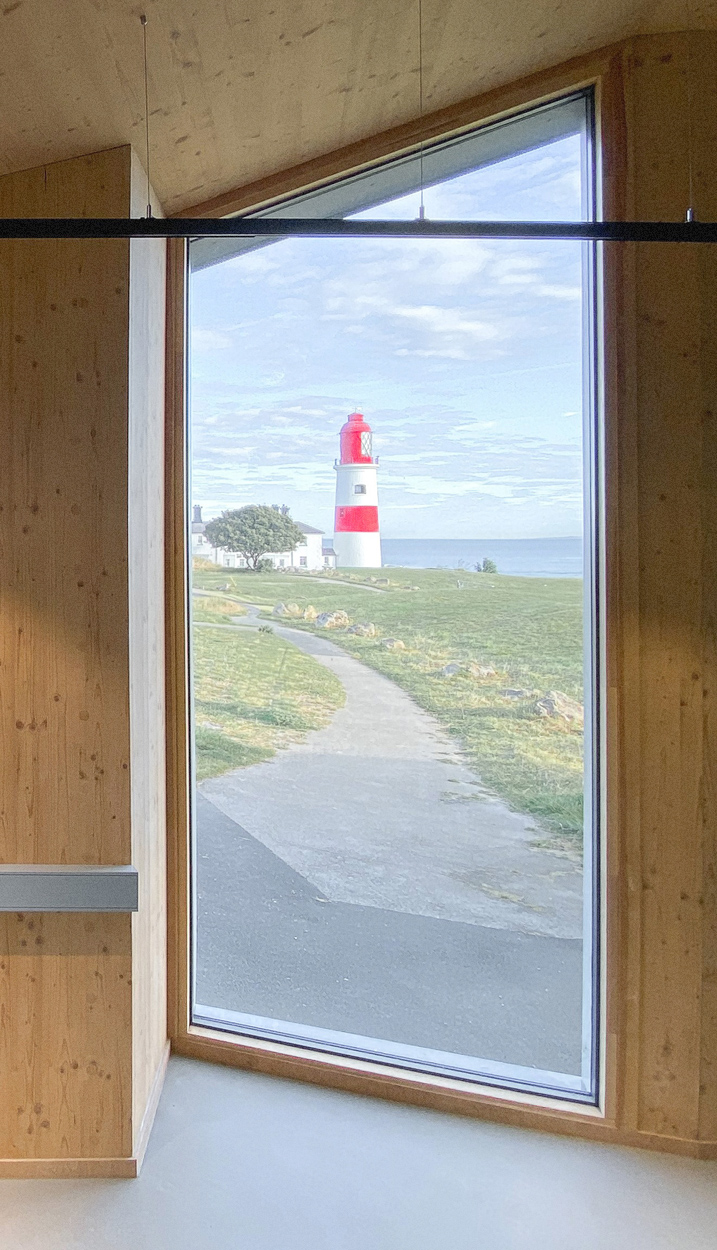
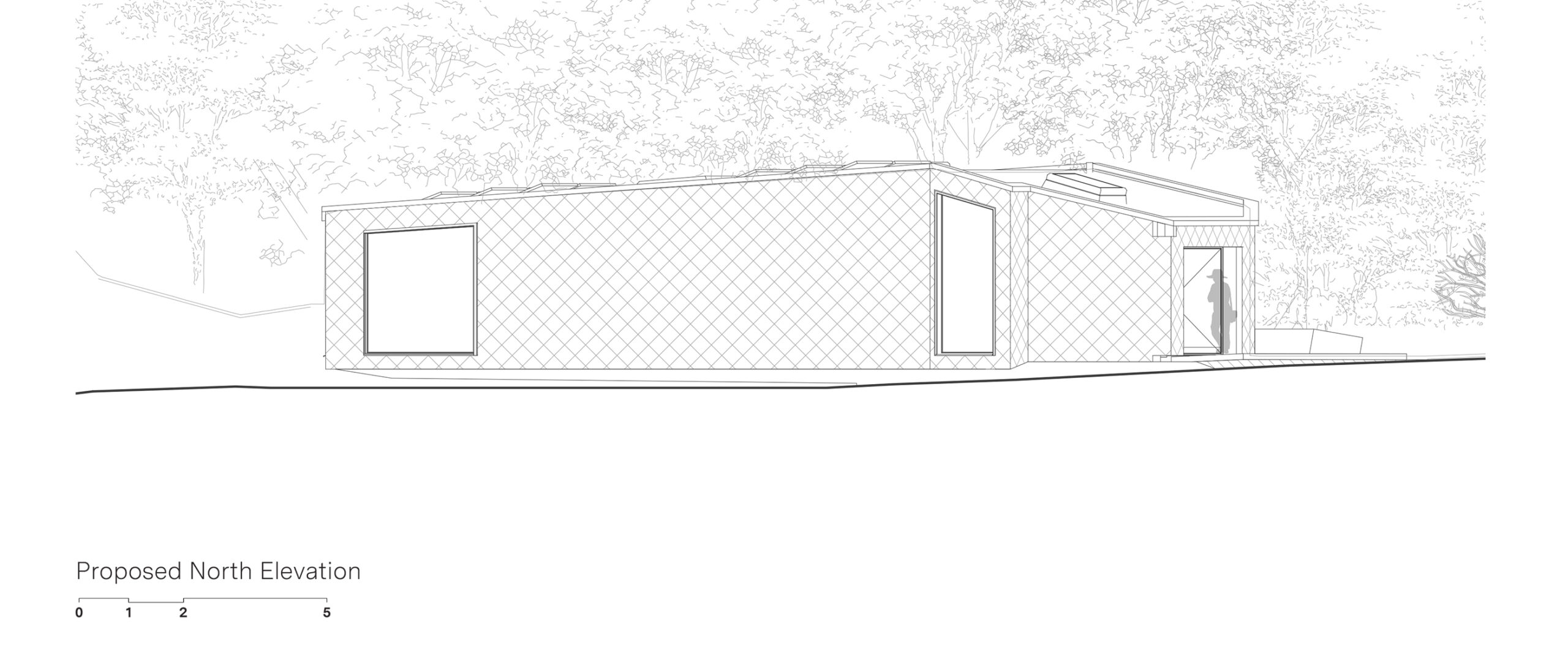
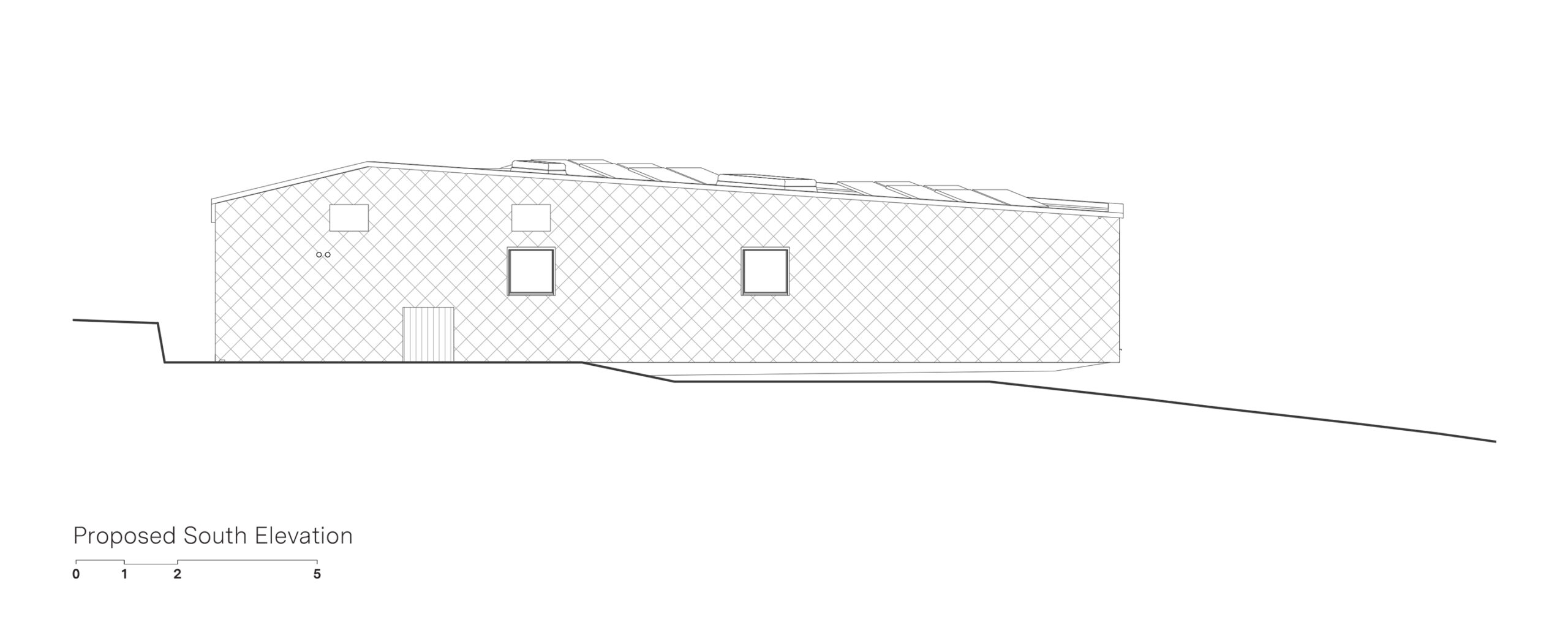
The design complements the 'heavy' lighthouse, grounded to the rock, with a lightweight 'floating' structure merging from the landscape. It features framed views of the lighthouse and large open views of the coast. The building almost wears the Trust's mission for the centre as a jacket: Exposed timber panel structure internally with 100% recycled plastic tiles from construction waste externally, illustrating how materials can be reused and not end up polluting our coasts and seas.

Planning was complex but achieved due to the exceptional circumstances of the project, the design, and its community use. The building is built with a monocoque CLT structure. The panels are the structure of the wall and roof, and become the internal finish. This is both low in embodied carbon and quick to construct in this harsh environment. Externally the CLT is wrapped in insulation and cladded in 100% recycled tiles made from plastic waste from the building industry. There is a sedum enhancing biodiversity with PVs which help run the air source heat pumps and MVHR.


MawsonKerrArchitects_WCCC


MawsonKerrArchitects_WCCC


MawsonKerrArchitects_WCCC


MawsonKerrArchitects_WCCC


MawsonKerrArchitects_WCCC

The client was ambitious in their brief and the building had to met this ambition and be a hub for the community. The centre is regionally significant for the work National Trust and their partners do there.  It is also internationally significant in the work the bird ringers do by contributing data on the local and migratory bird population. This goes to an international data base of birds so conservationists around the world can access this information.

National Trust have used this project as a pilot project for their sustainability matrix. This was in order to test the matrix and this project against their criteria. These findings used to hone their matrix for use on future National Trust projects. WCCC has been a success for both the client, the community and the design team and achieved EPC A-rating.

Link to Pretty Plastic


MawsonKerrArchitects_WCCC


MawsonKerrArchitects_WCCC


MawsonKerrArchitects_WCCC


MawsonKerrArchitects_WCCC


MawsonKerrArchitects_WCCC


MawsonKerrArchitects_WCCC


MawsonKerrArchitects_WCCC


MawsonKerrArchitects_WCCC

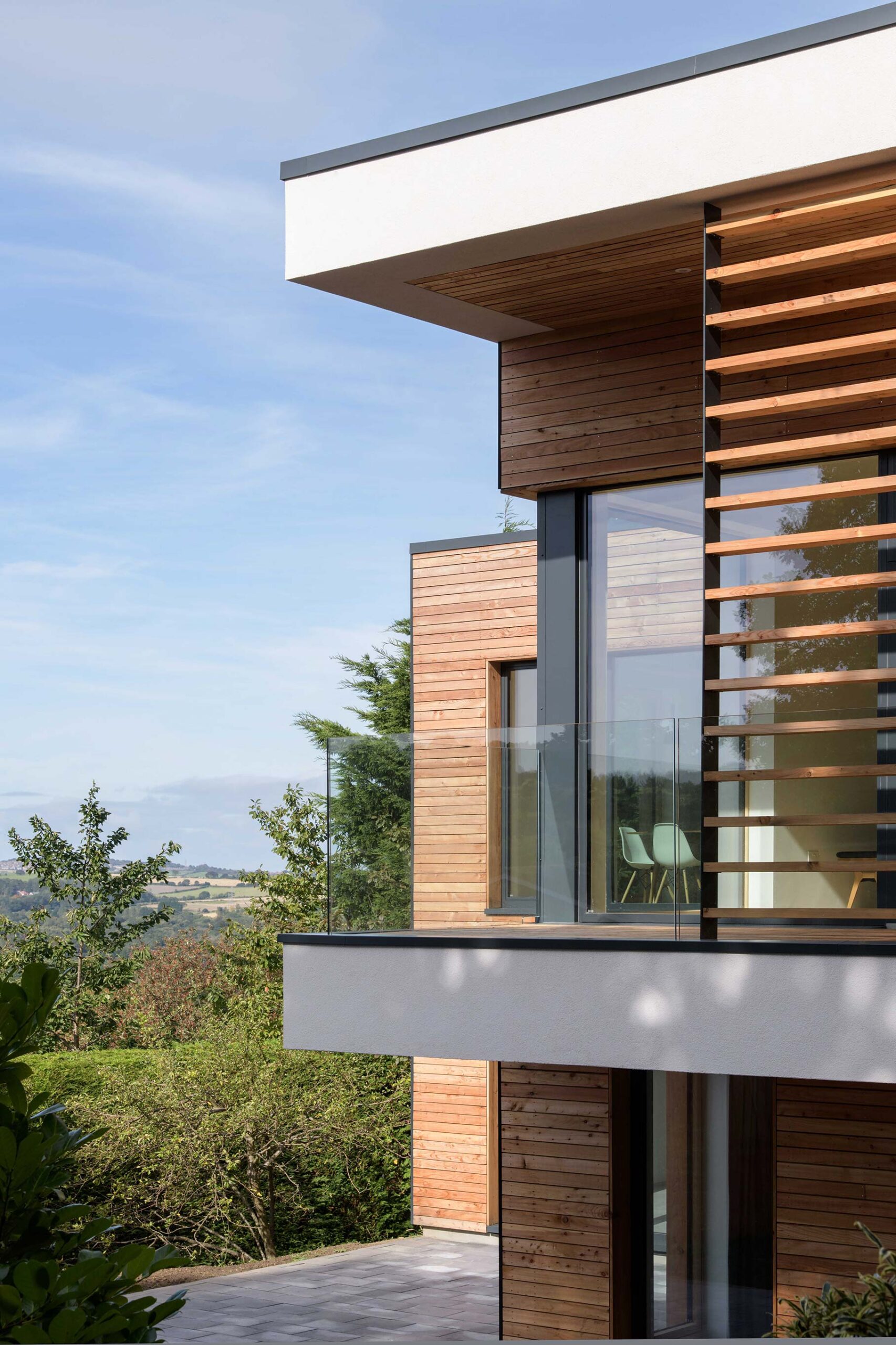
Oak Tree Passivhaus

Design and Delivery: MawsonKerr with Richard Pender

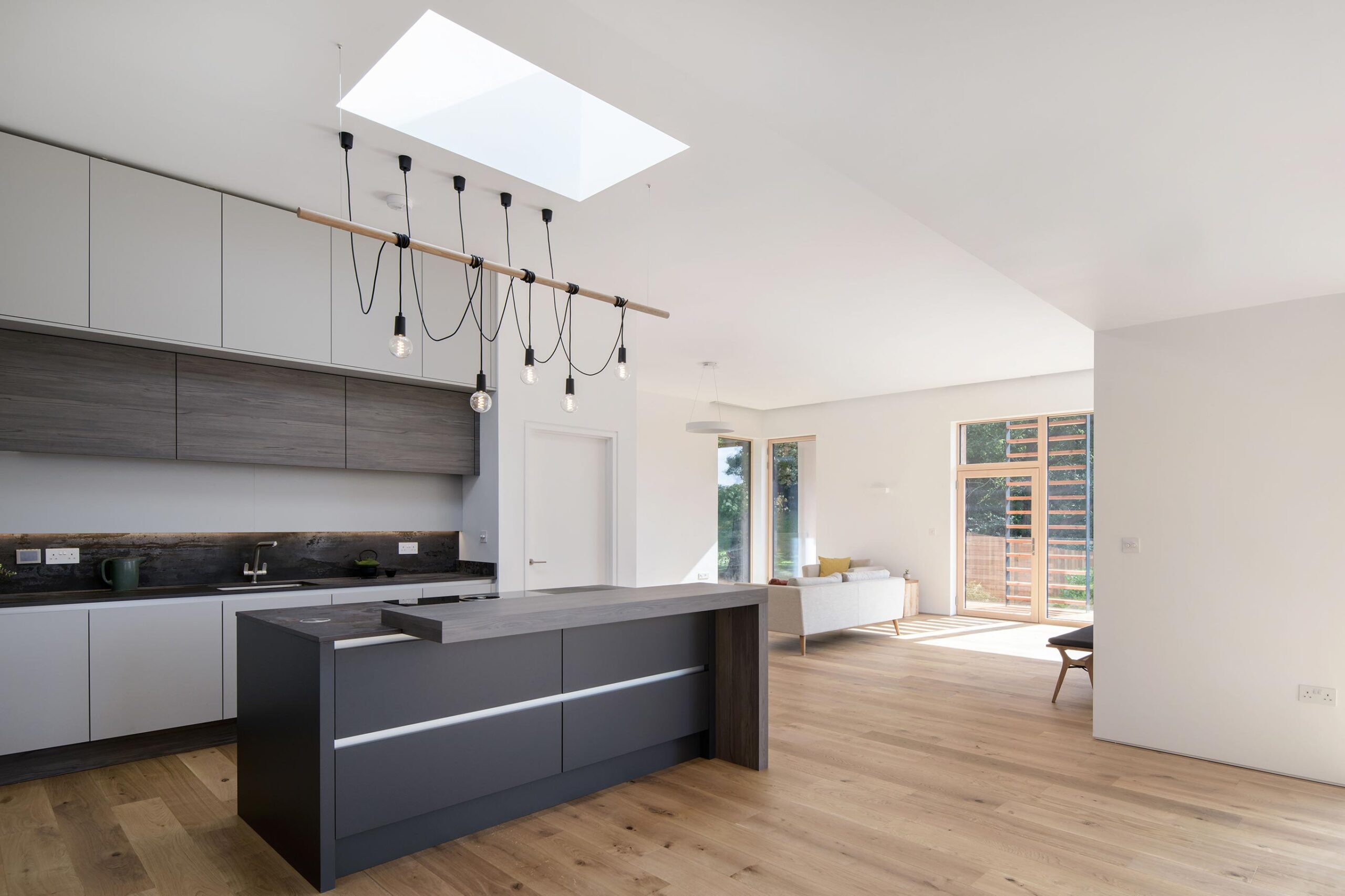
Oak Tree Passivhaus is an exemplar in  low energy residential architecture, innovative in both the process and the finished building which, in the words of the client is a delight to live in.’ It is also the first Certified Passivhaus in Tyneside thus combining ‘delight’ with robustness in design and delivery.

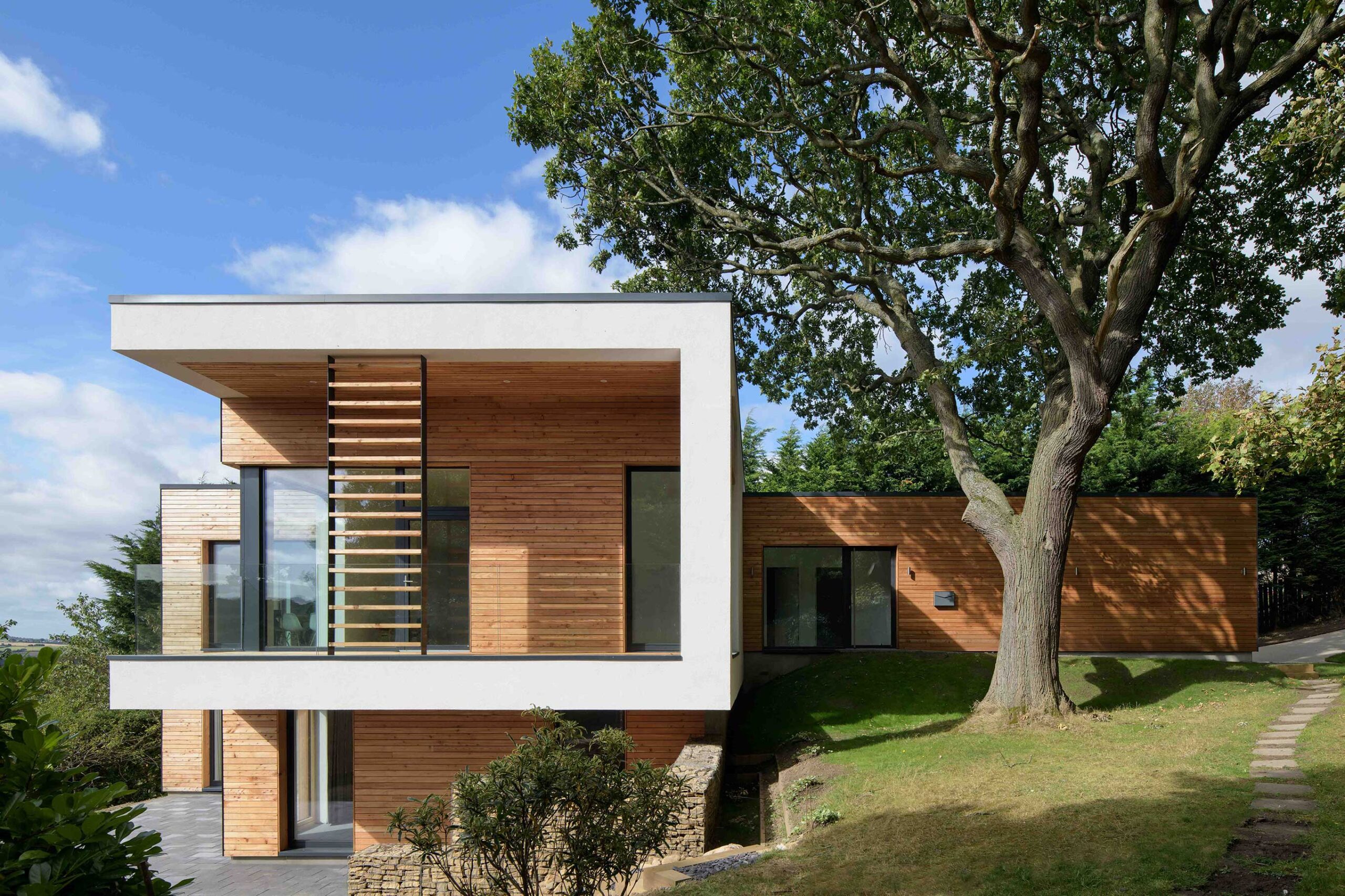
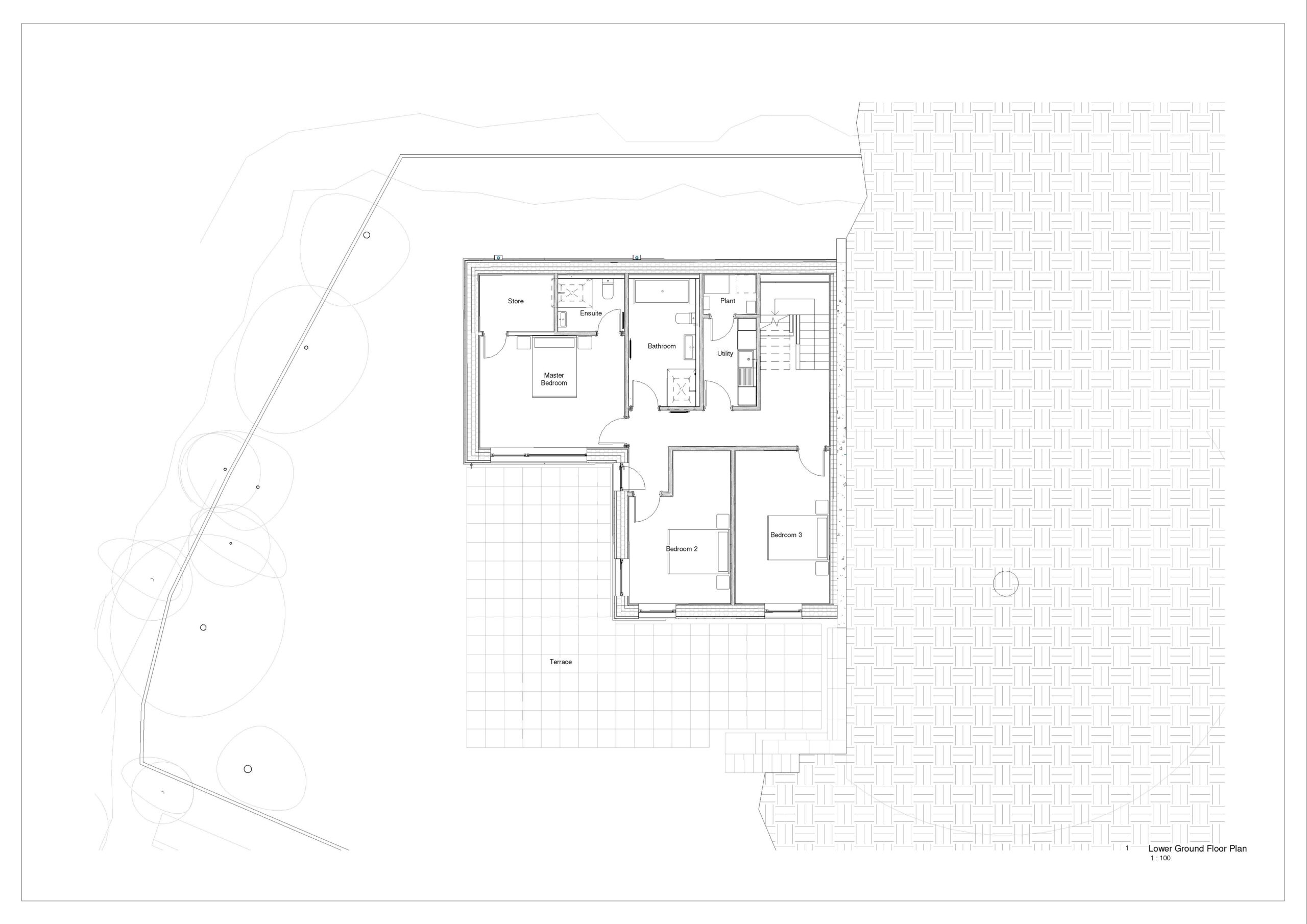
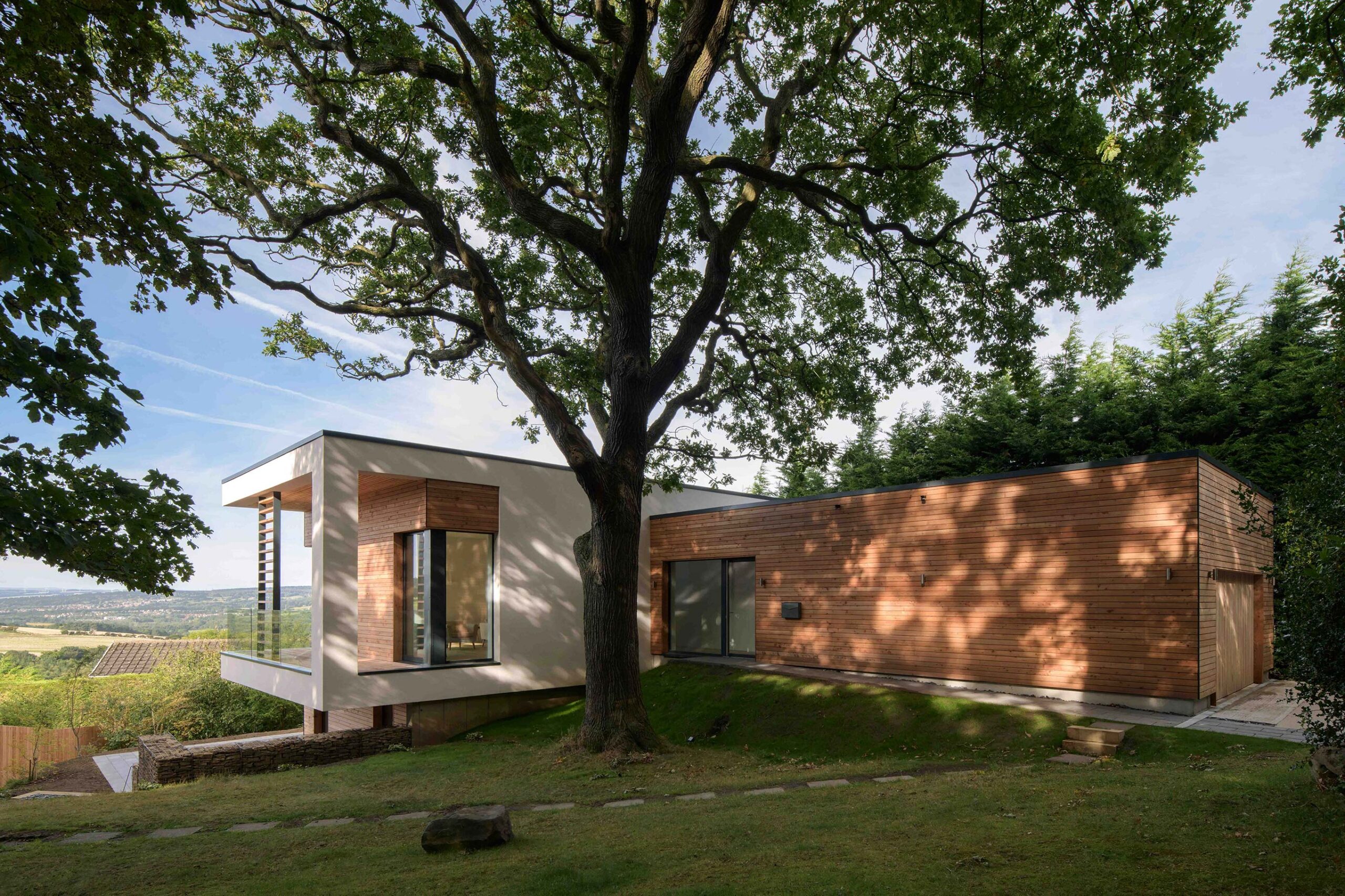
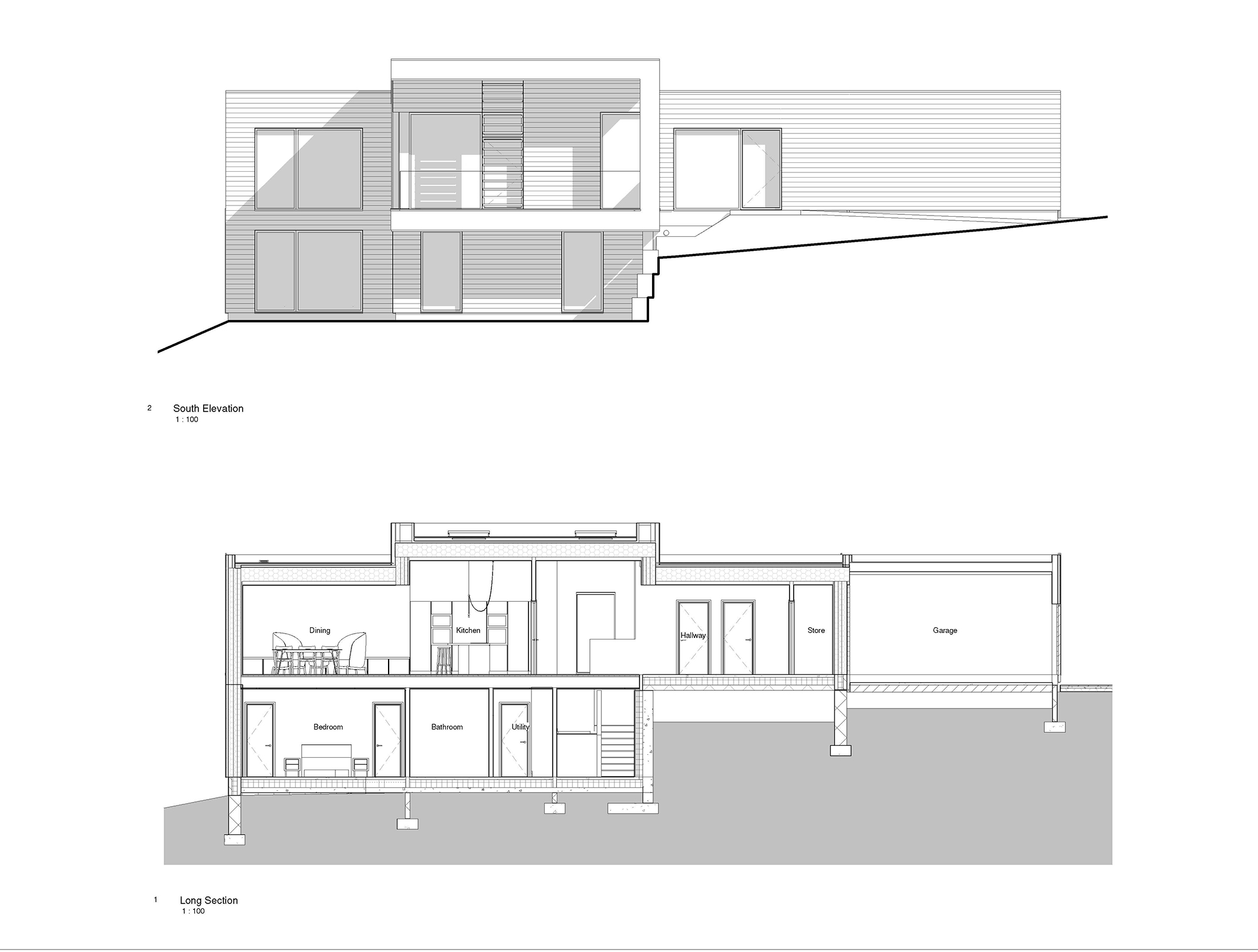
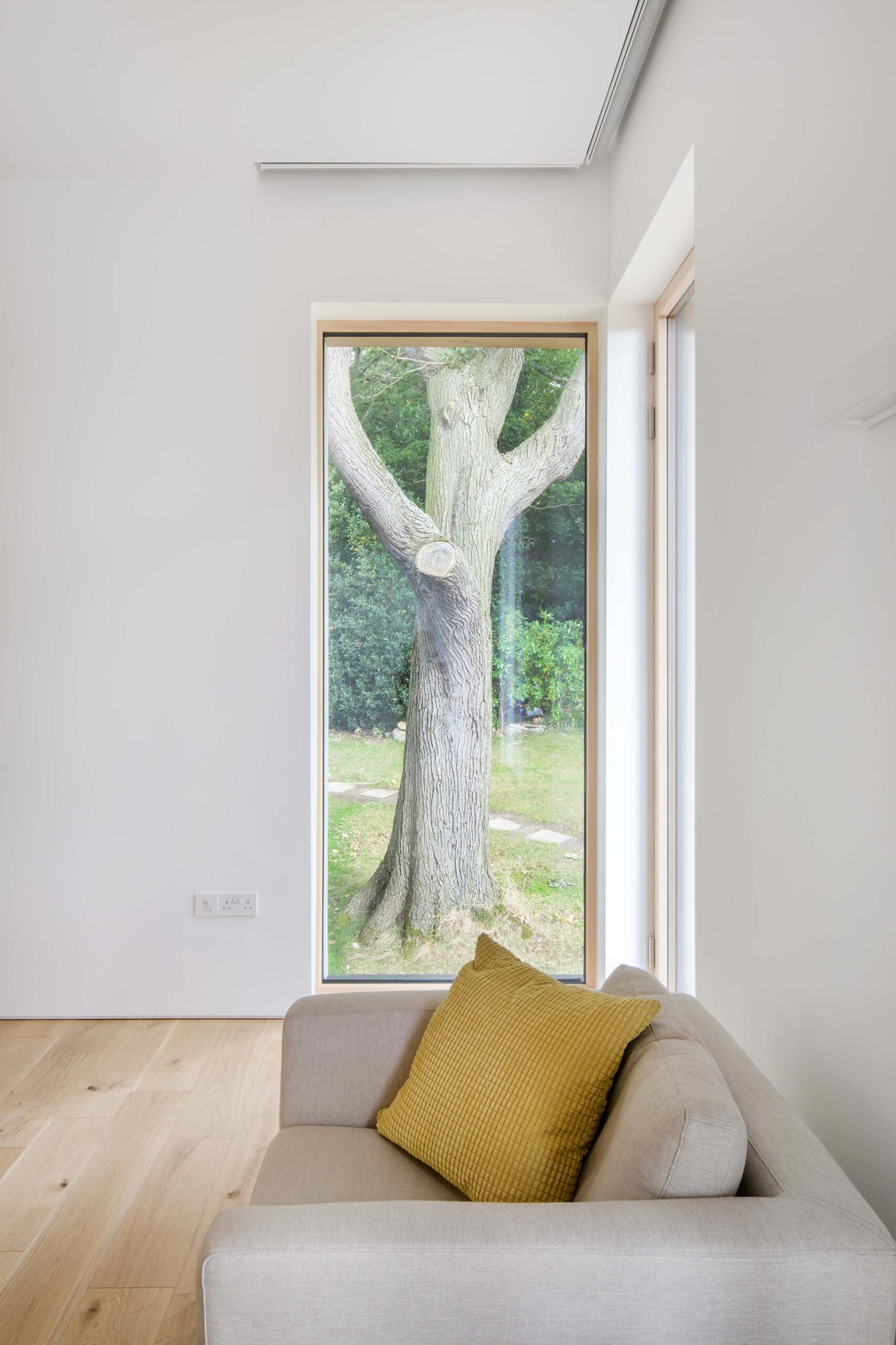
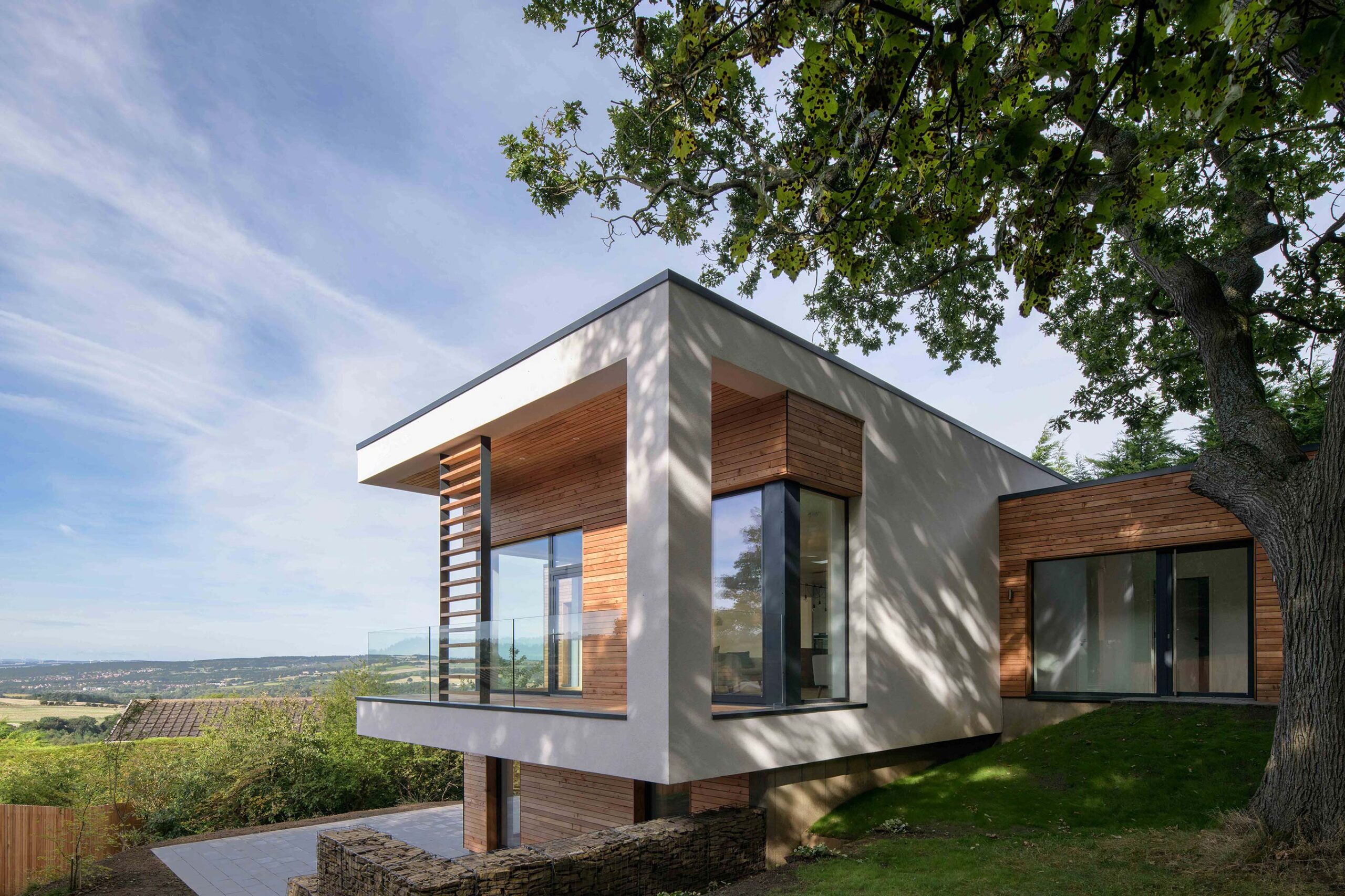
Sited on a steep slope with mine workings beneath, bedrock, ground gas, and TPO trees, the scheme overcame these difficult constraints with a layout that captures long views across the Derwent Valley and framed views of the nearby protected oak tree.

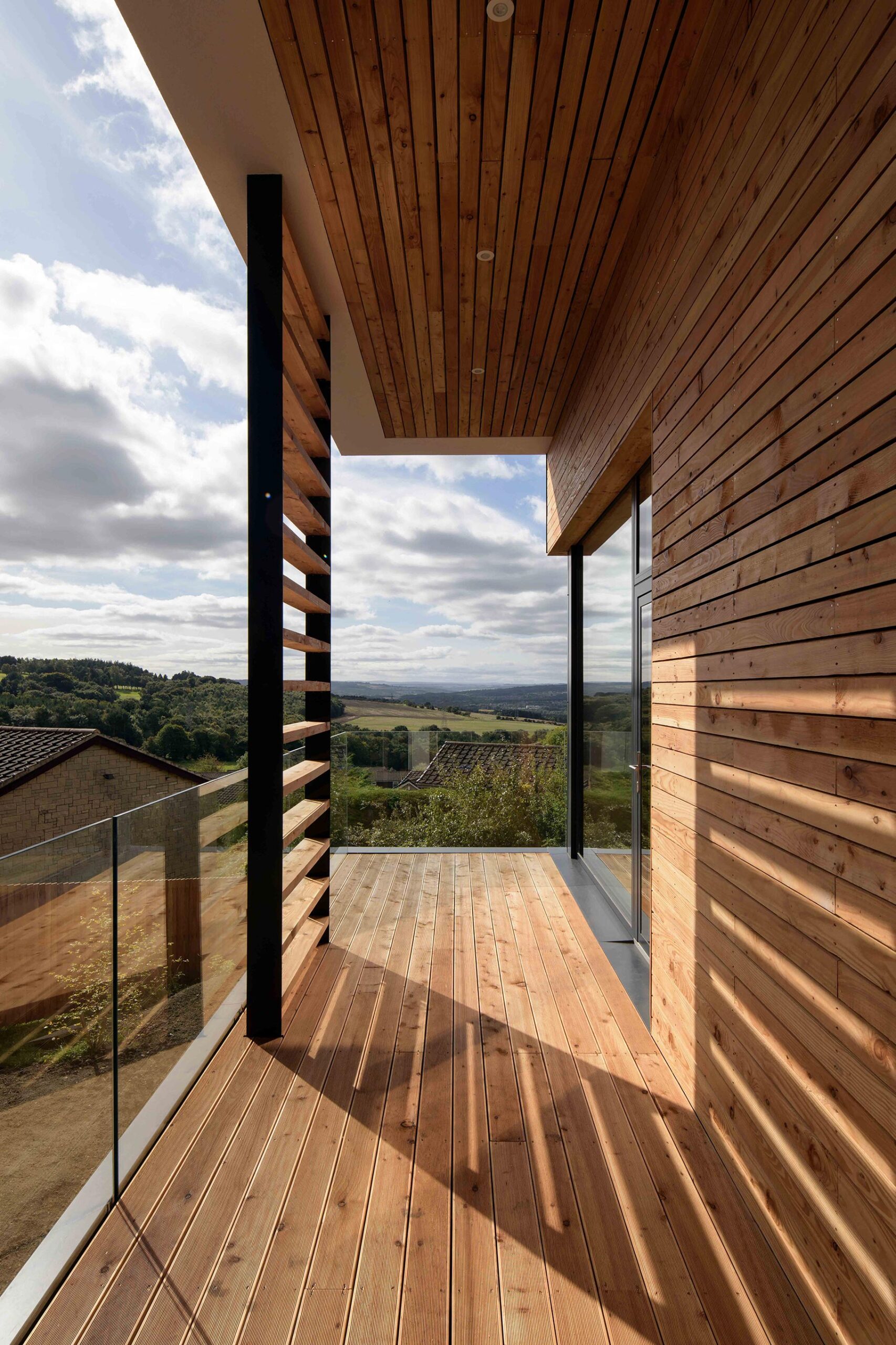
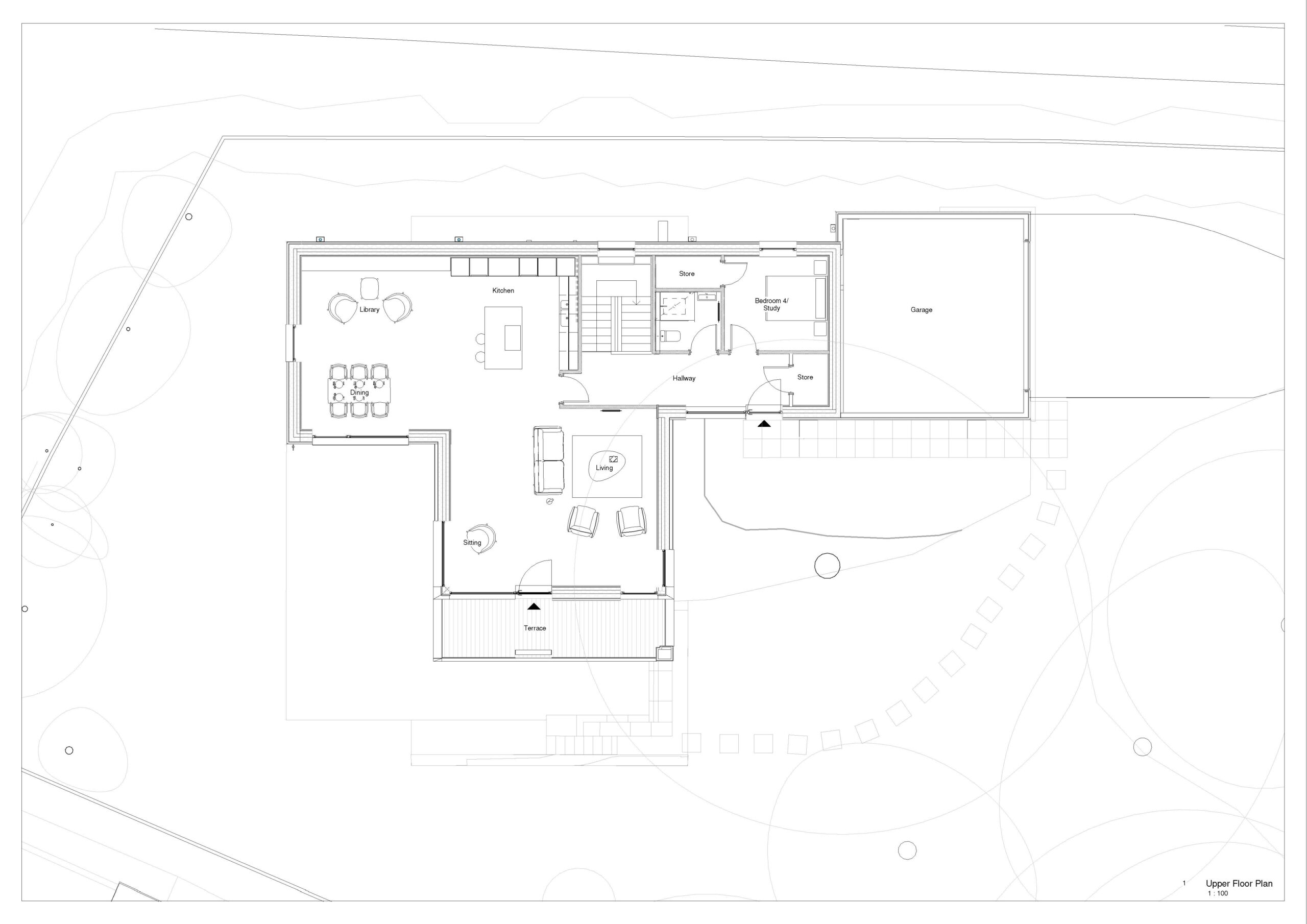
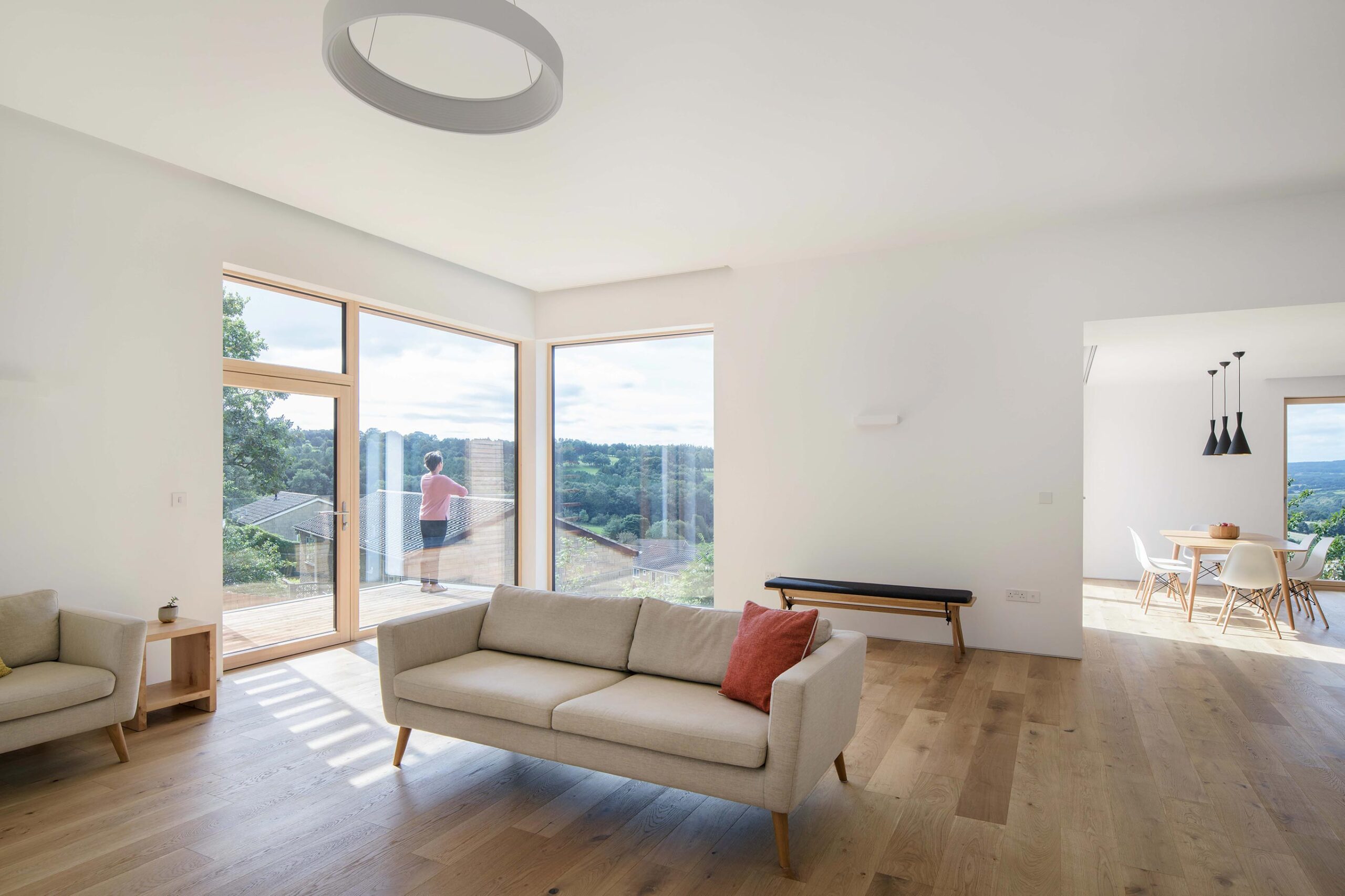
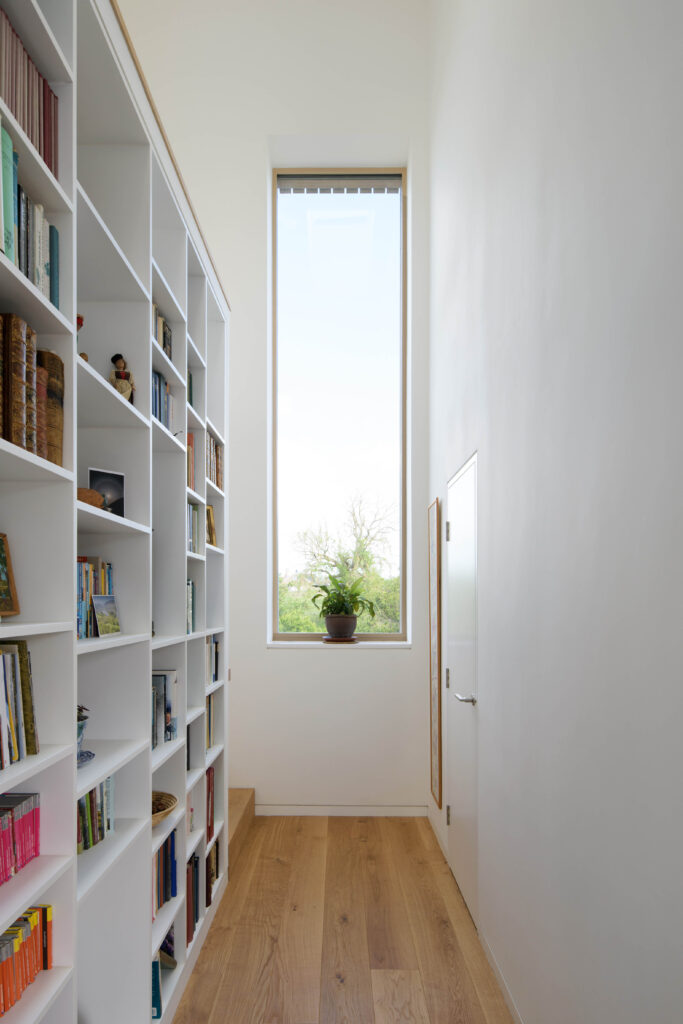
High ceilings and large format windows allow for a great quality of daylight and a sense of airiness. Utilising the sloping ground the main entrance is to the Upper ground floor which accommodates the open plan living spaces and a bedroom/shower with the remaining bedrooms on the lower ground floor.  This configuration allows the client to live solely on the upper floor if needed, future proofing for any eventuality.

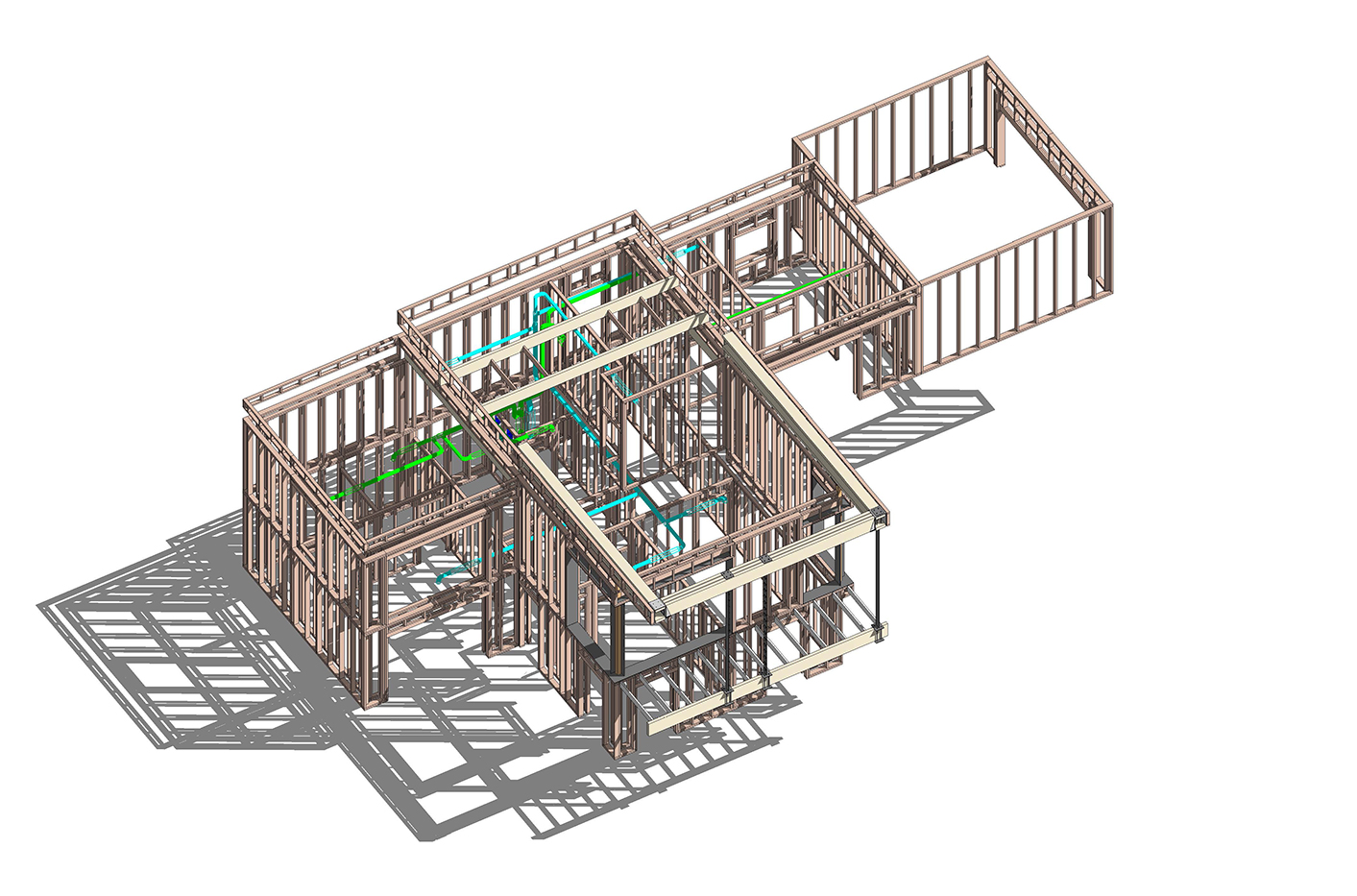
A twin timber frame was designed for the main Passivhaus structure, filled with a large thickness of insulation with minimal thermal bridging. Insulation and lining materials were chosen to ensure a “breathable” construction, promoting longevity and a healthy environment.

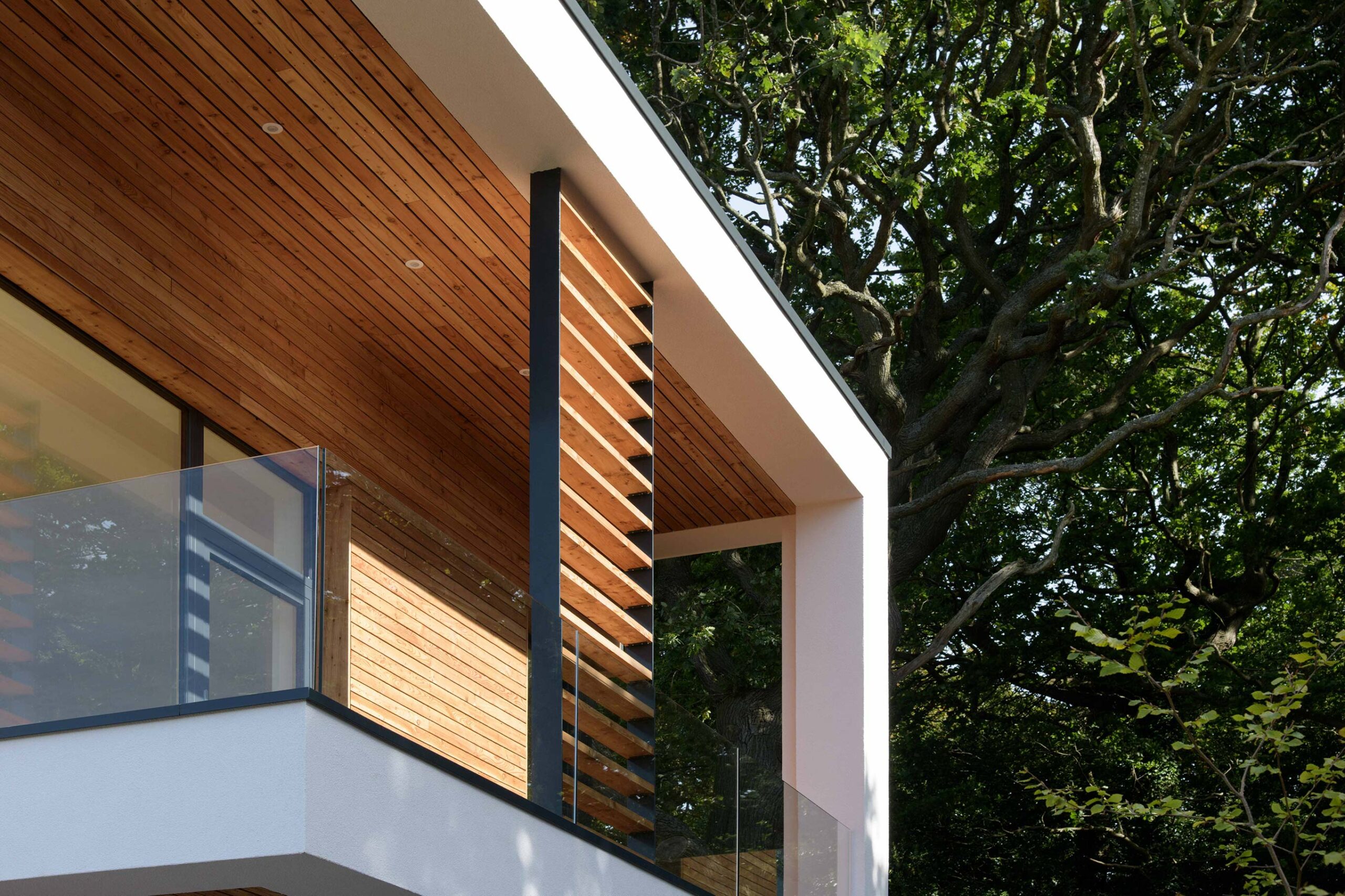
Local and low embodied carbon materials were chosen, such as Larch cladding from the Scottish Borders and stone gabions from the site bedrock. The only steel in the building was use in the slender fins that hang the balcony from the overhanging roof whilst also supporting the timber solar shading. This accumulates in the total embodied carbon being lower than the RIBA Climate-Challenge target for 2030.

Awards

RIBA North East – Shortlisted
Construction Excellence NE – Sustainability Commendation

Greenbank House

Design and Delivery: MawsonKerr with Richard Pender

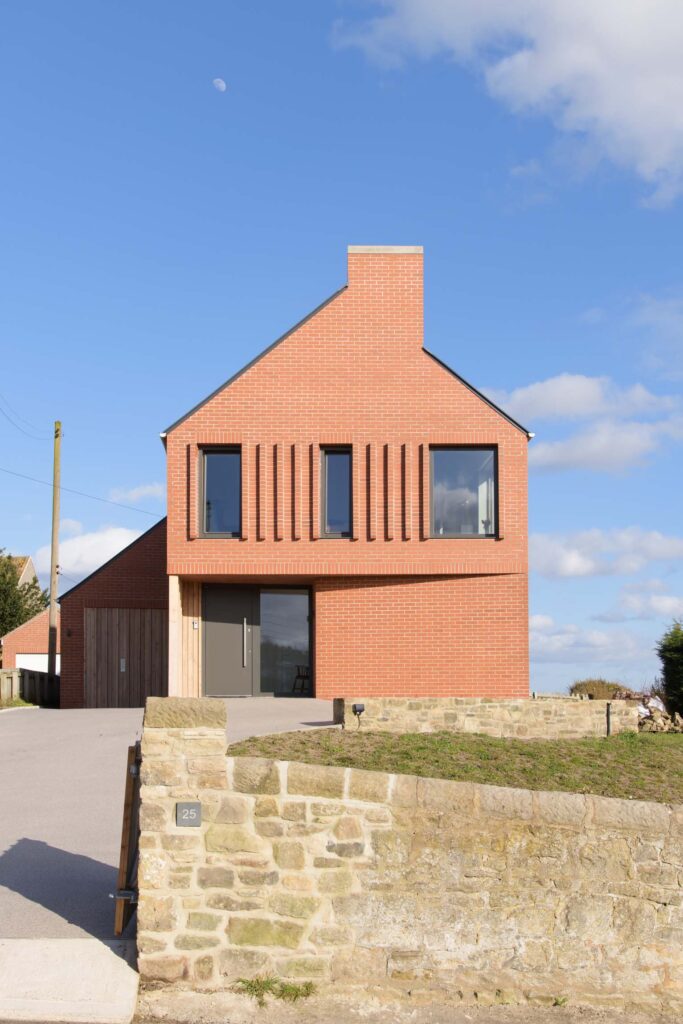
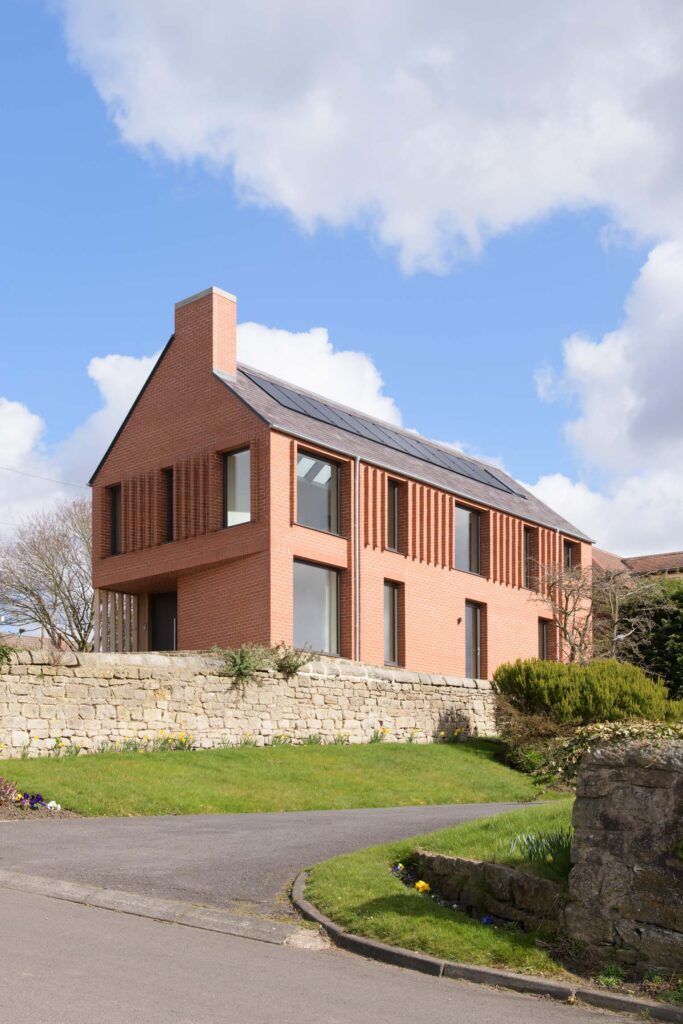
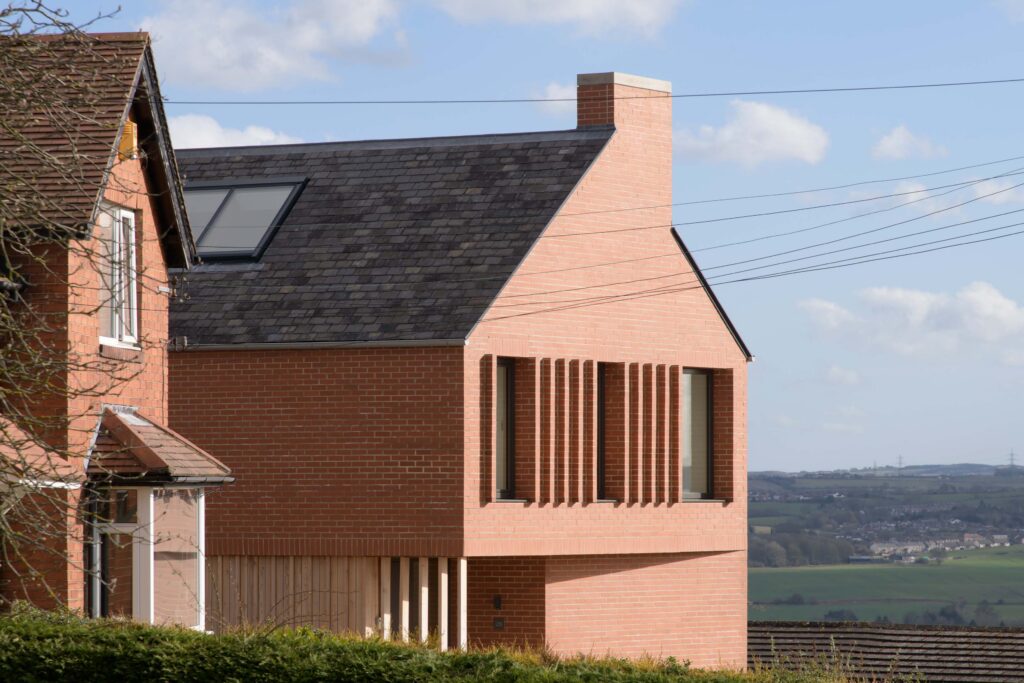
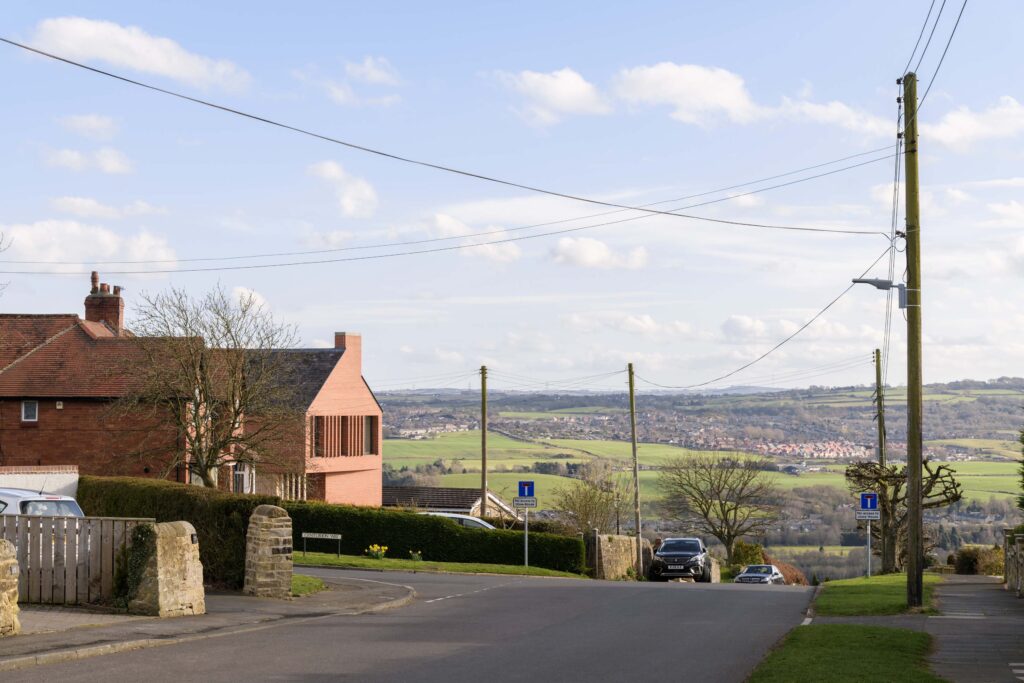
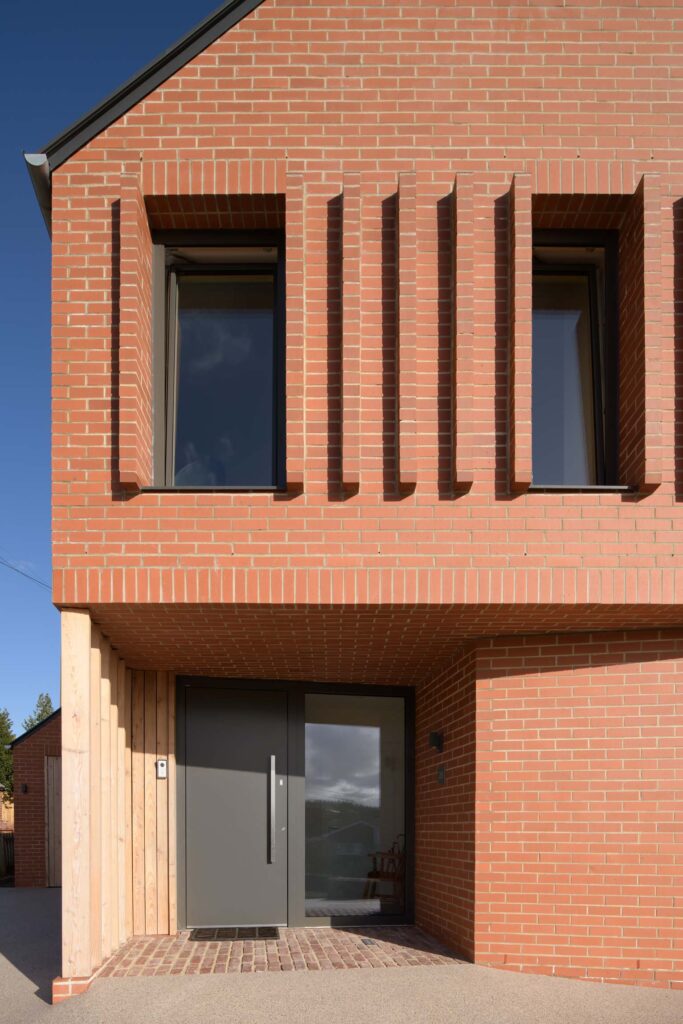
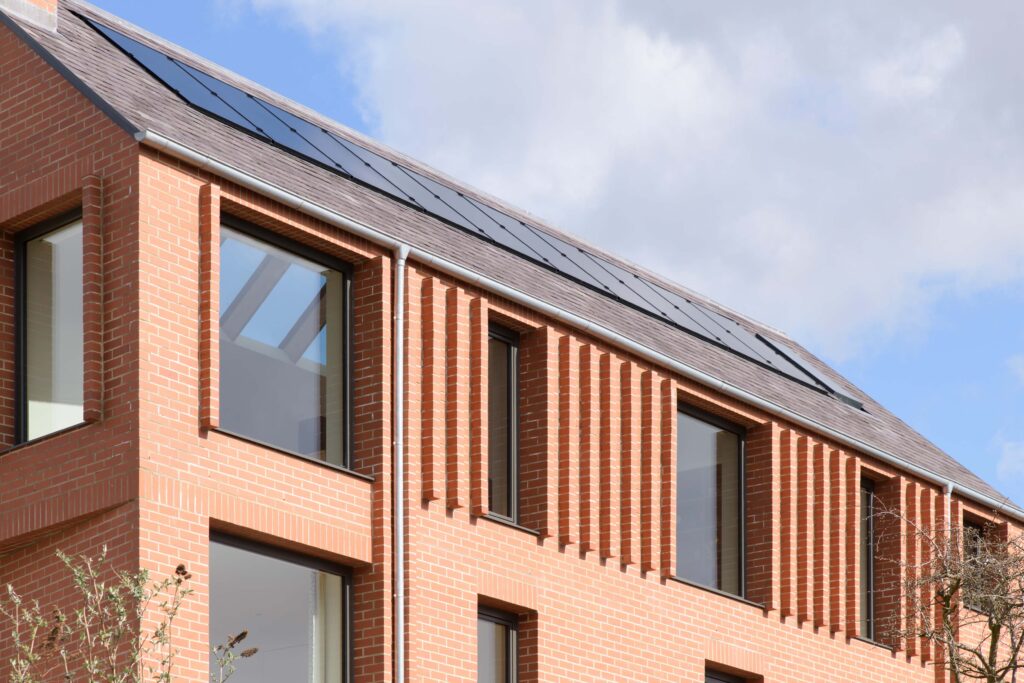
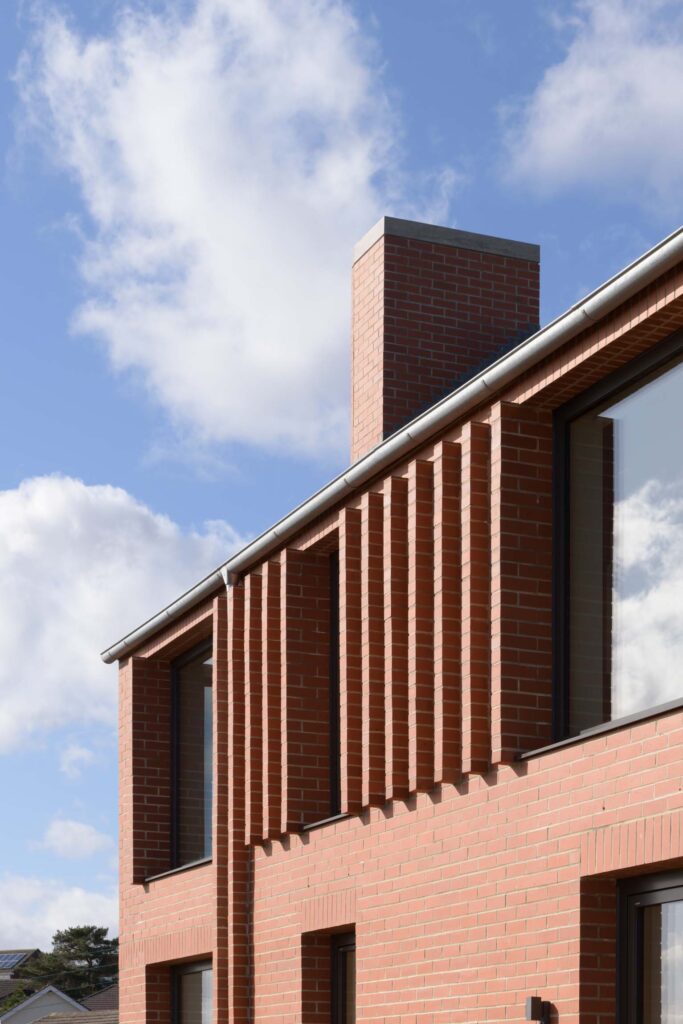
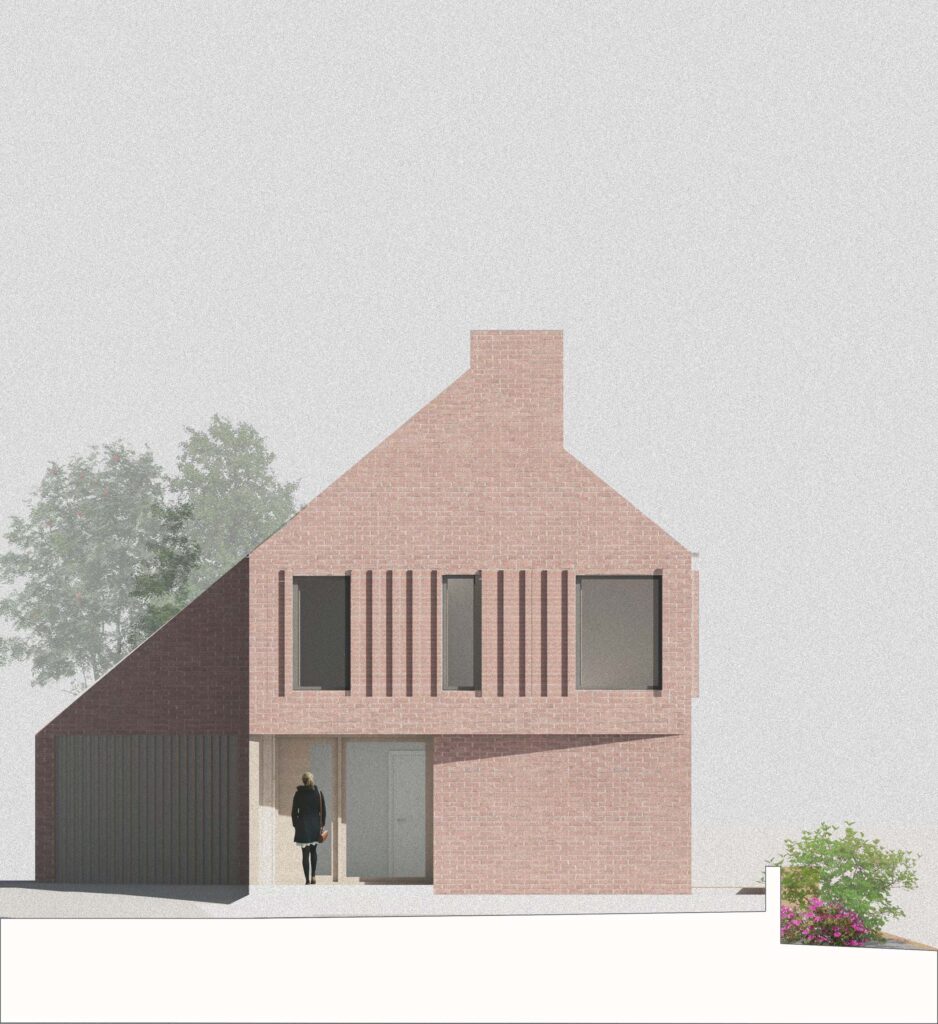
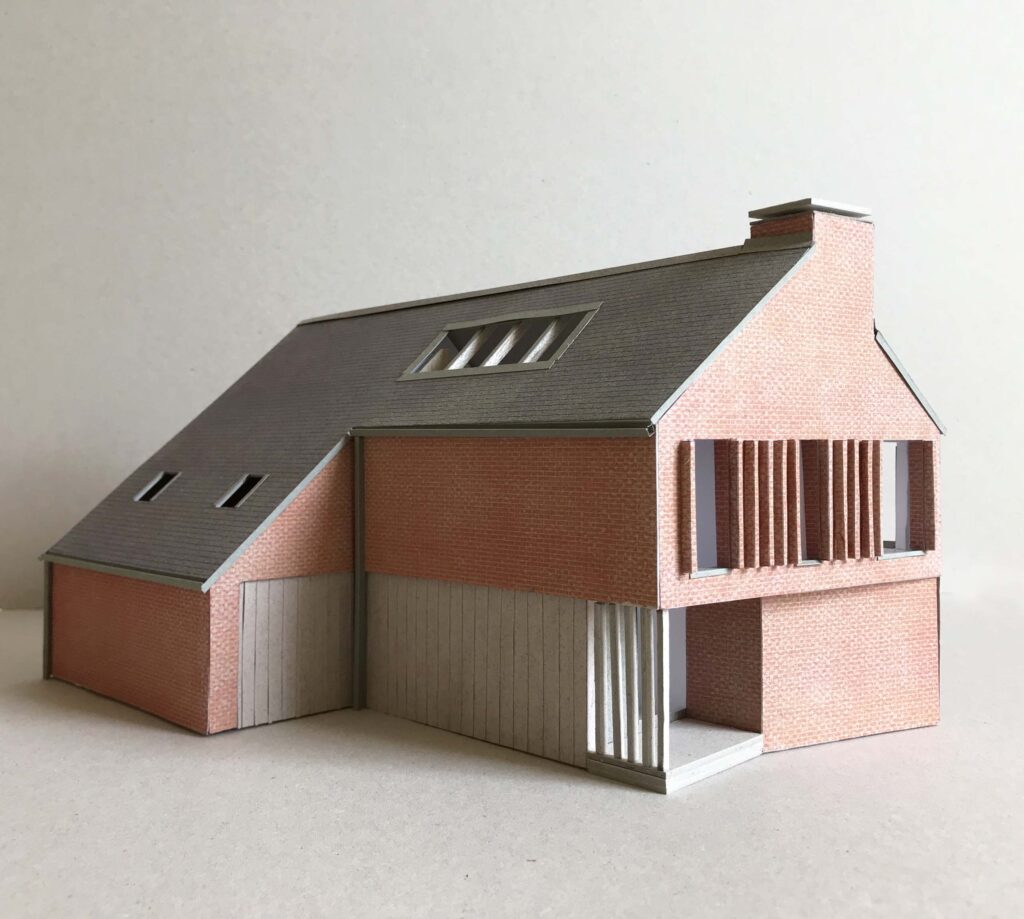
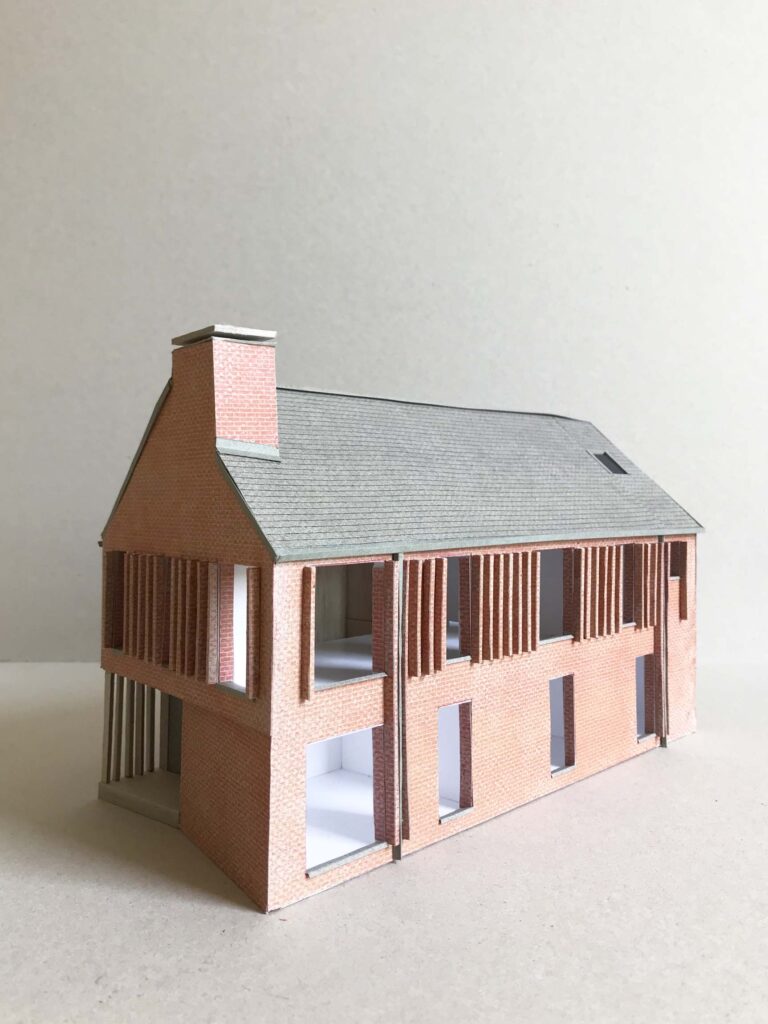
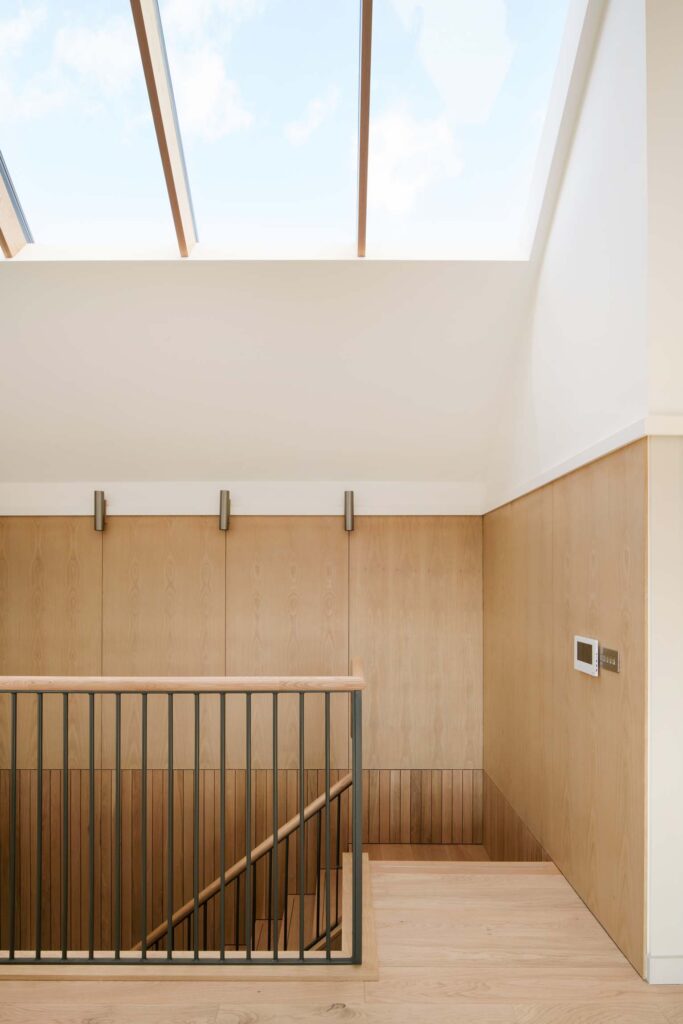
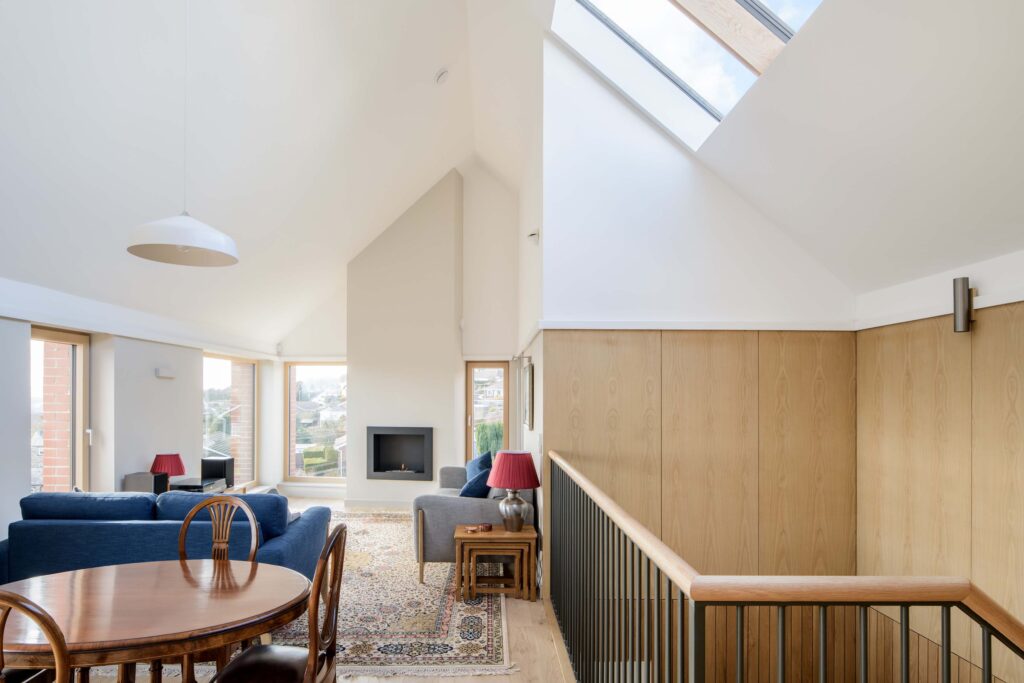
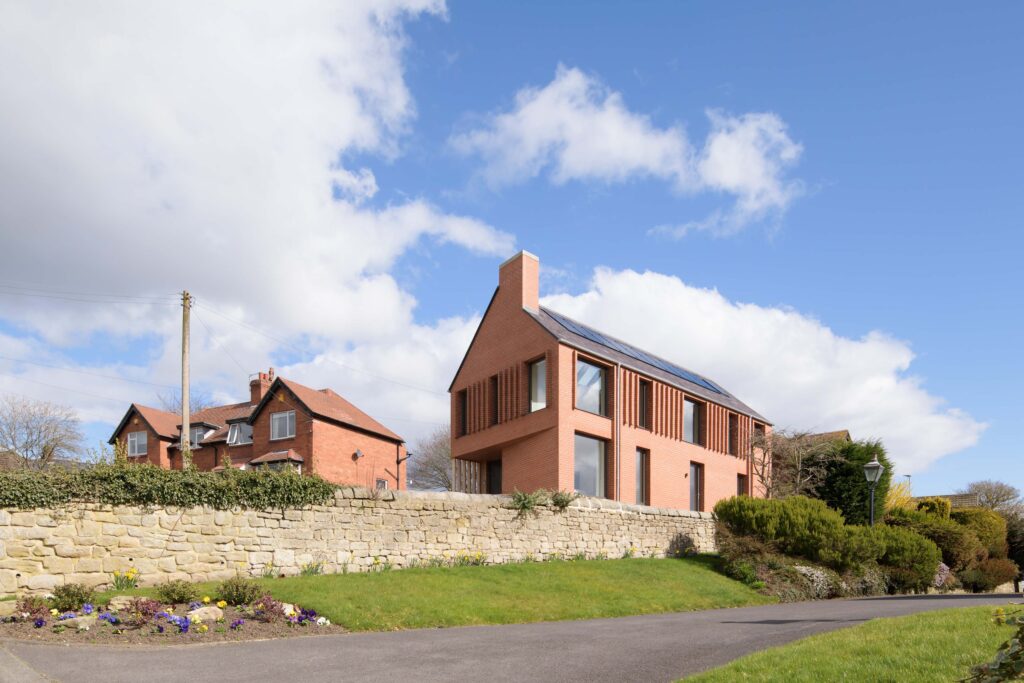
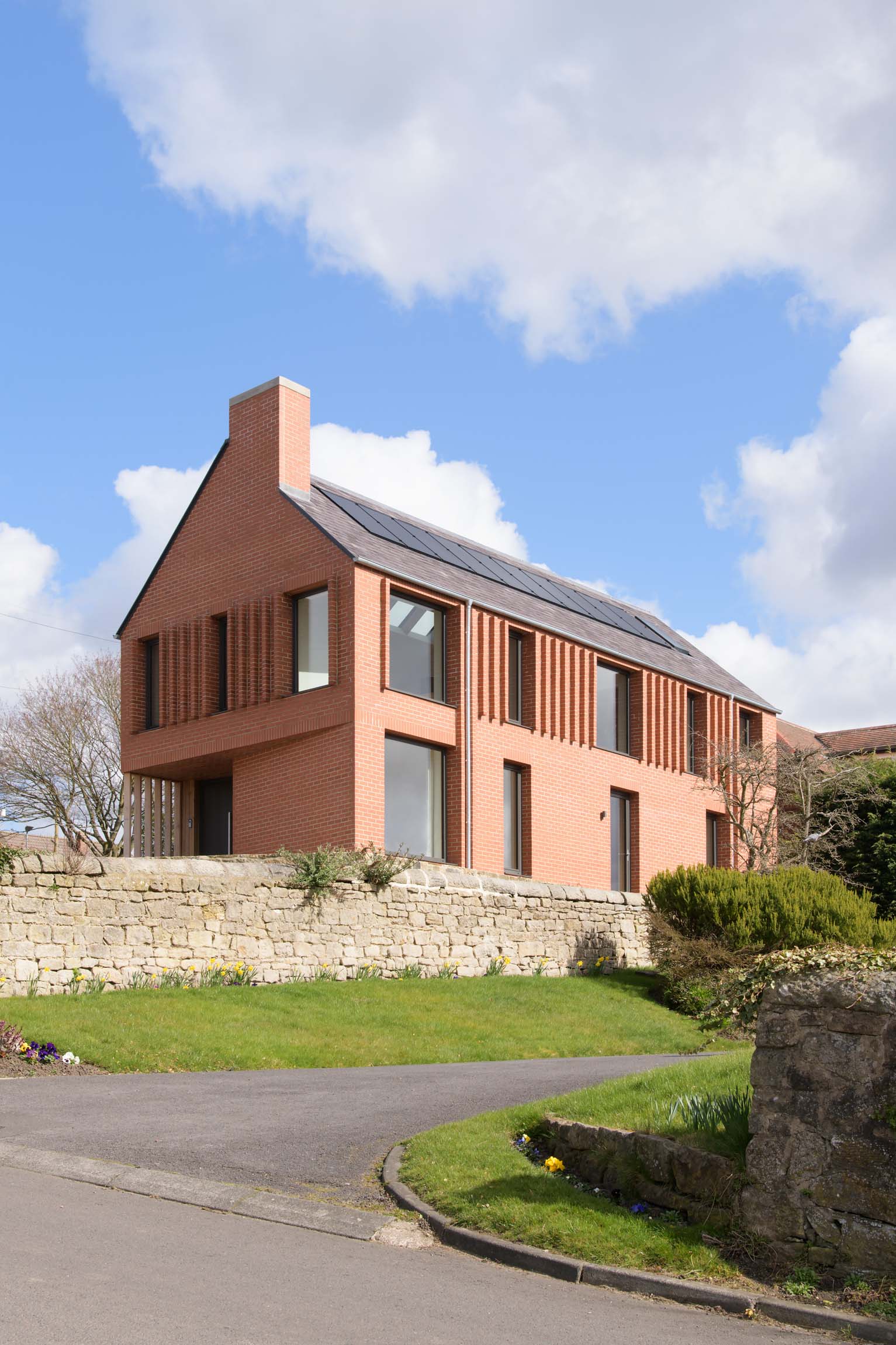
Greenbank House is a new build ecohouse located in a Northumberland village with expansive views across the Tyne Valley.  Materiality cues come from the surrounding red brick houses of the area and replaces the dilapidated building previously on the site.  Brick detailing has been articulated to give a playful vertical coursing.  Given the elevated position, the materials specified assist in being resilient and hard wearing as well as contextual.

Bedrooms are located on the ground floor with the vaulted living spaces making best use of the views across the valley on the first floor. The house is a super insulated timber frame with great airtightness and low energy use.  These fabric values are combined with energy efficient MVHR,  ground source heat pumps and solar panels. By combining these qualities it maximises the potential to reduce running costs and save energy.

The house reuses the slate from the previous building and part of the brick is also utilised in the design.   Design of home was futureproofed for the retired couple who live there. Bathrooms and bedrooms on the ground floor with the ability for the utility to work as a second kitchen along with an access lift to the first floor.


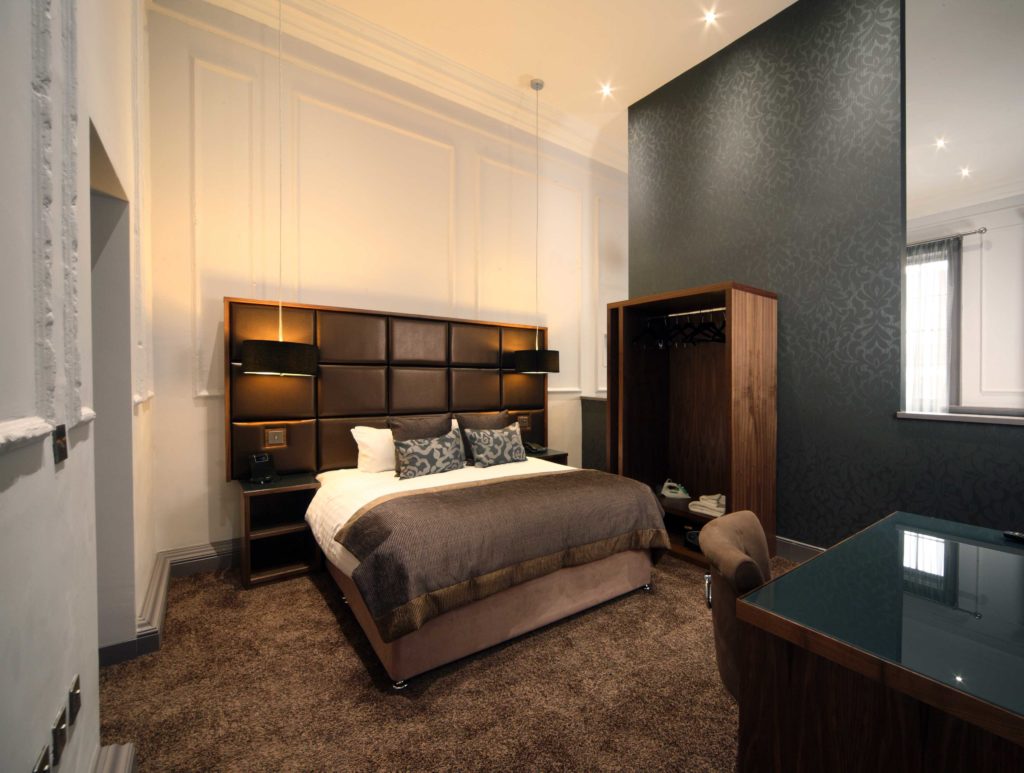
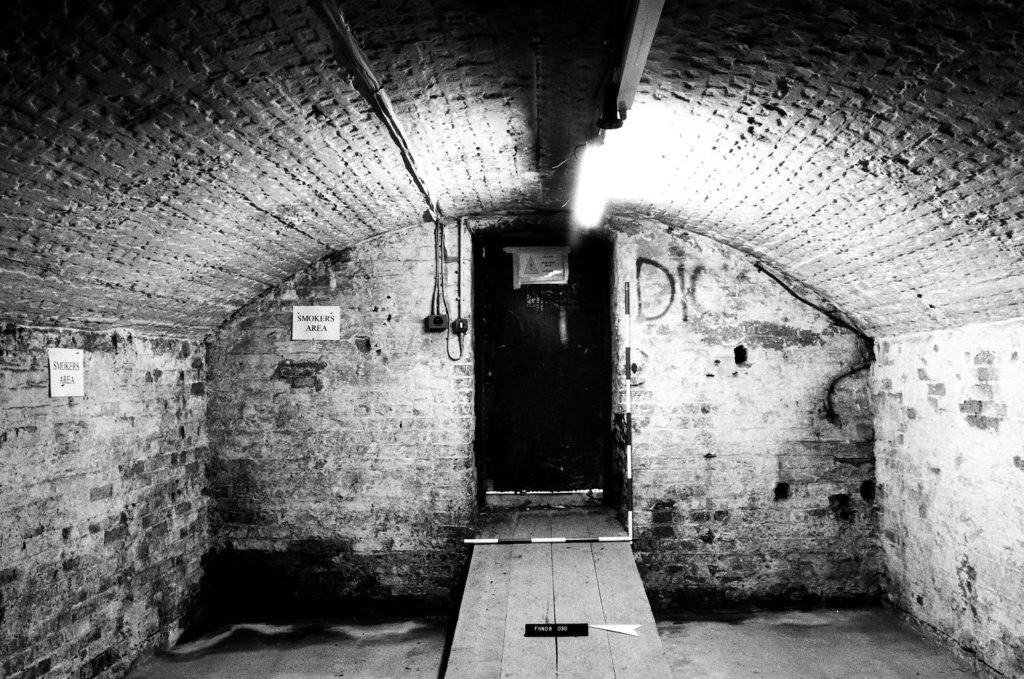
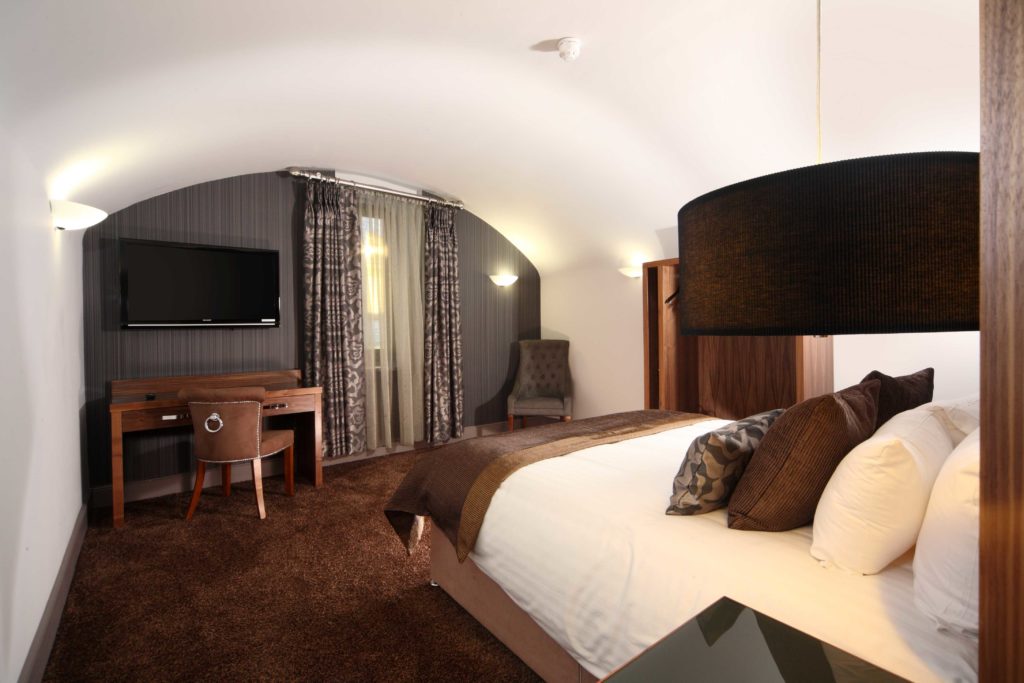
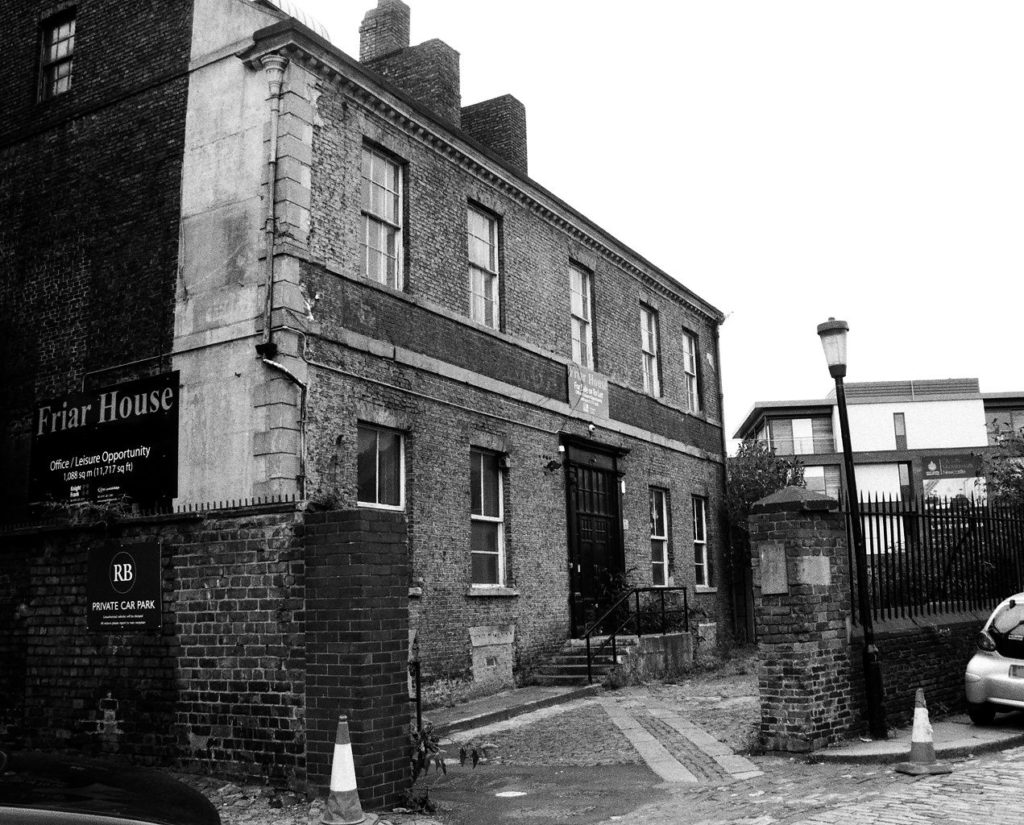
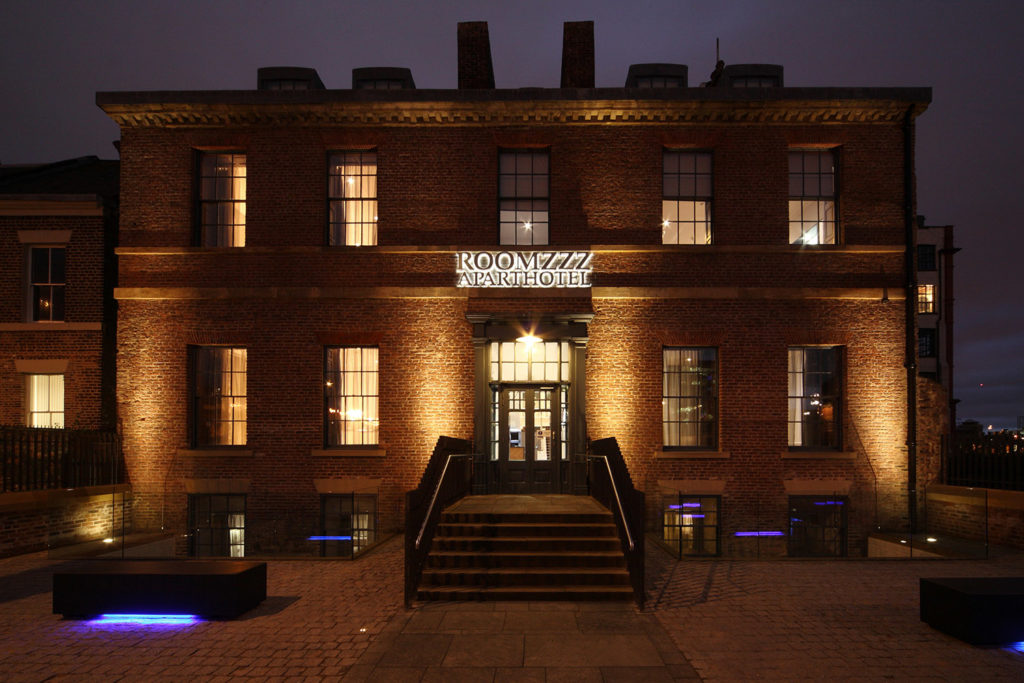
Friar House Apartment Hotel

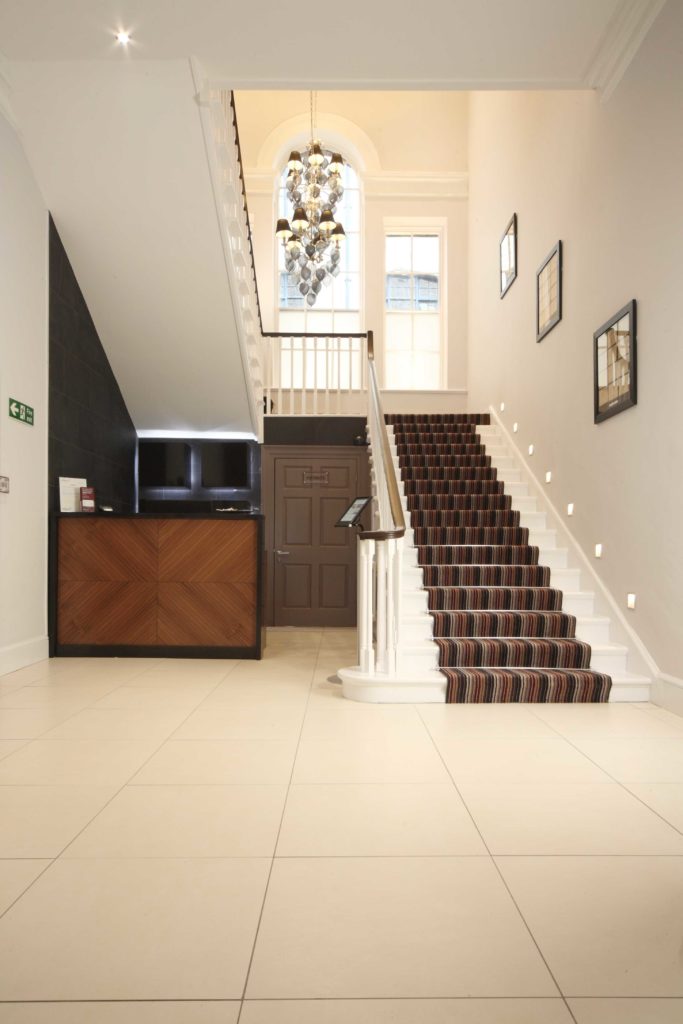
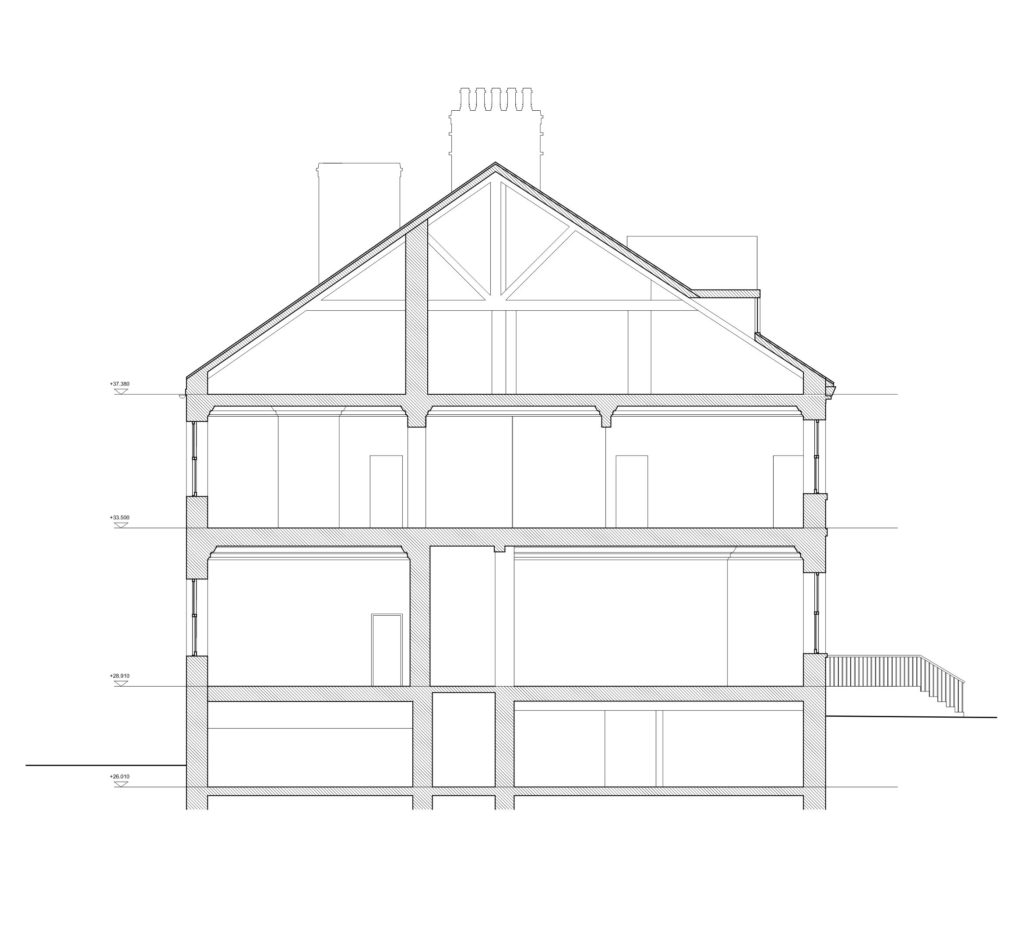
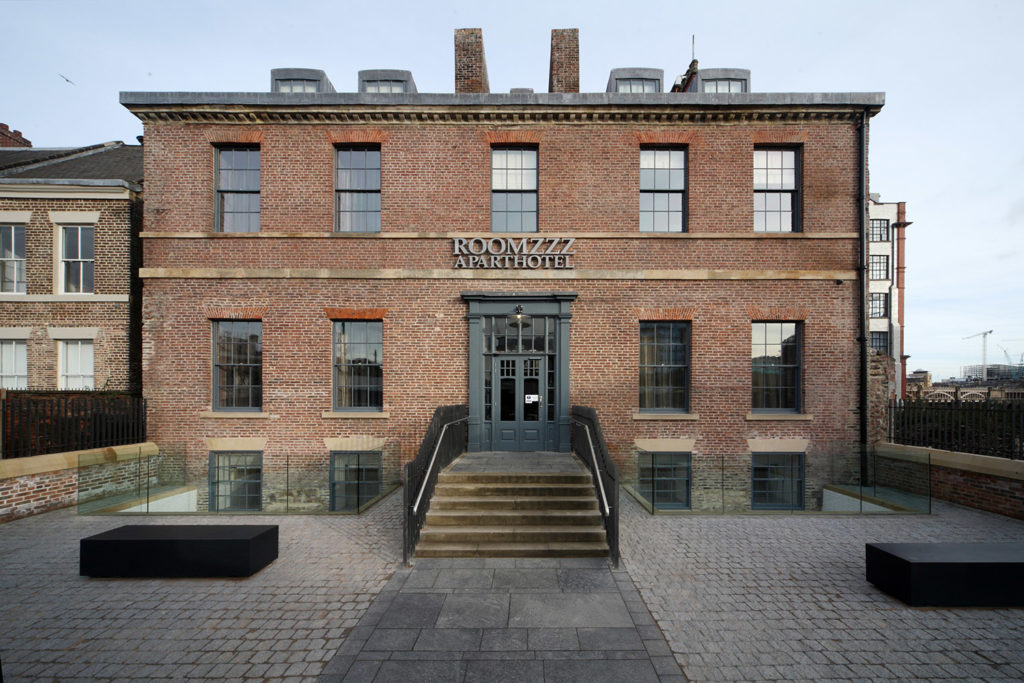
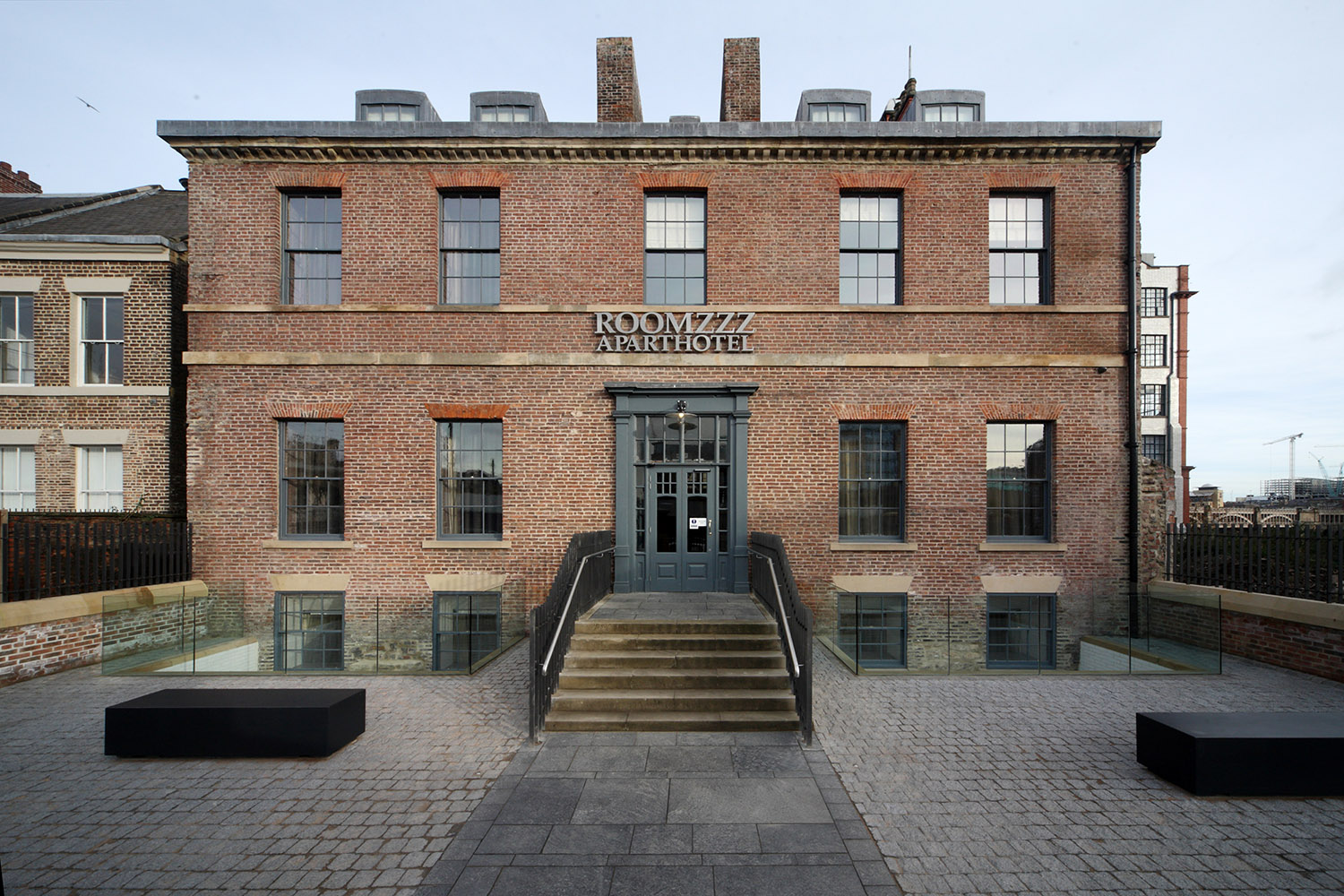
Friar House is an excellent example of pre-Grainger Newcastle and has seen various transformations since construction in the 1700’s from the Town Recorders main residence to an industrial factory.

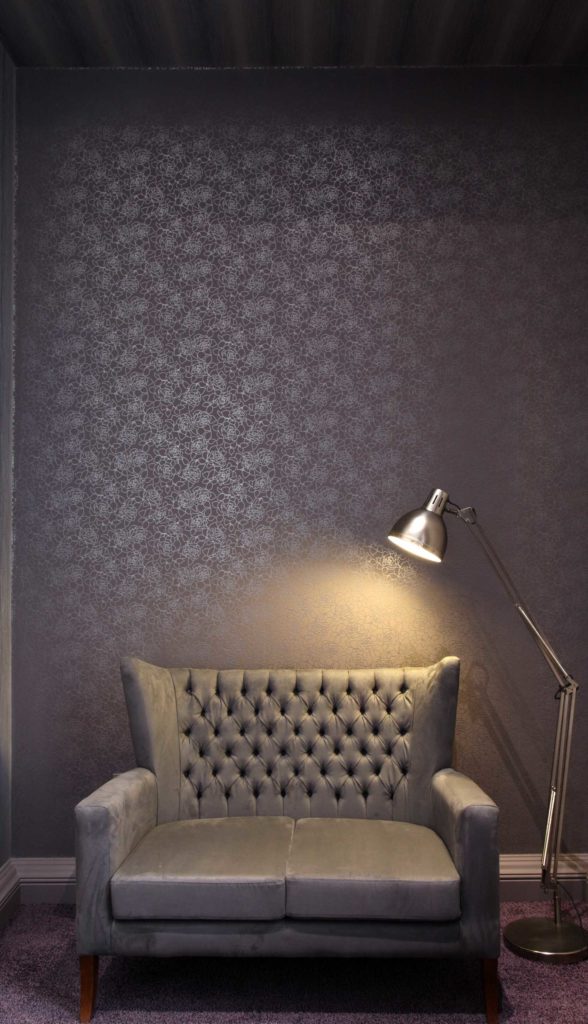
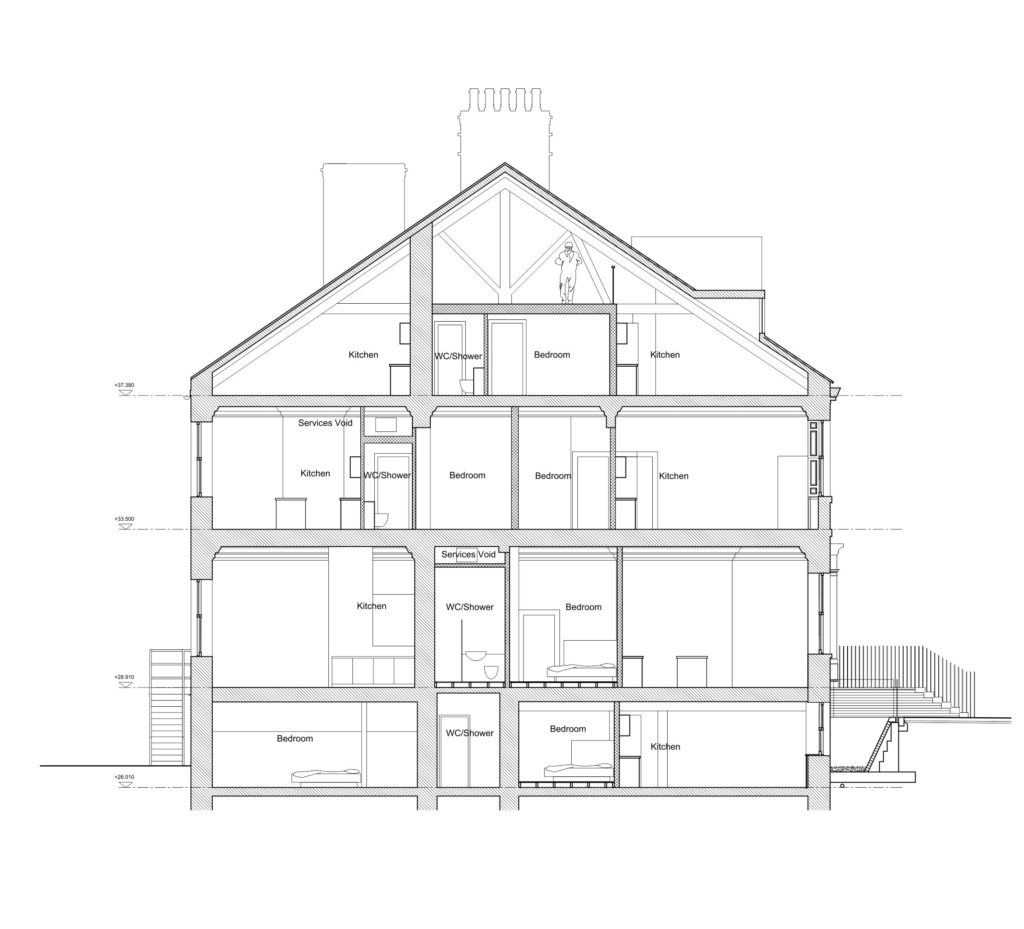
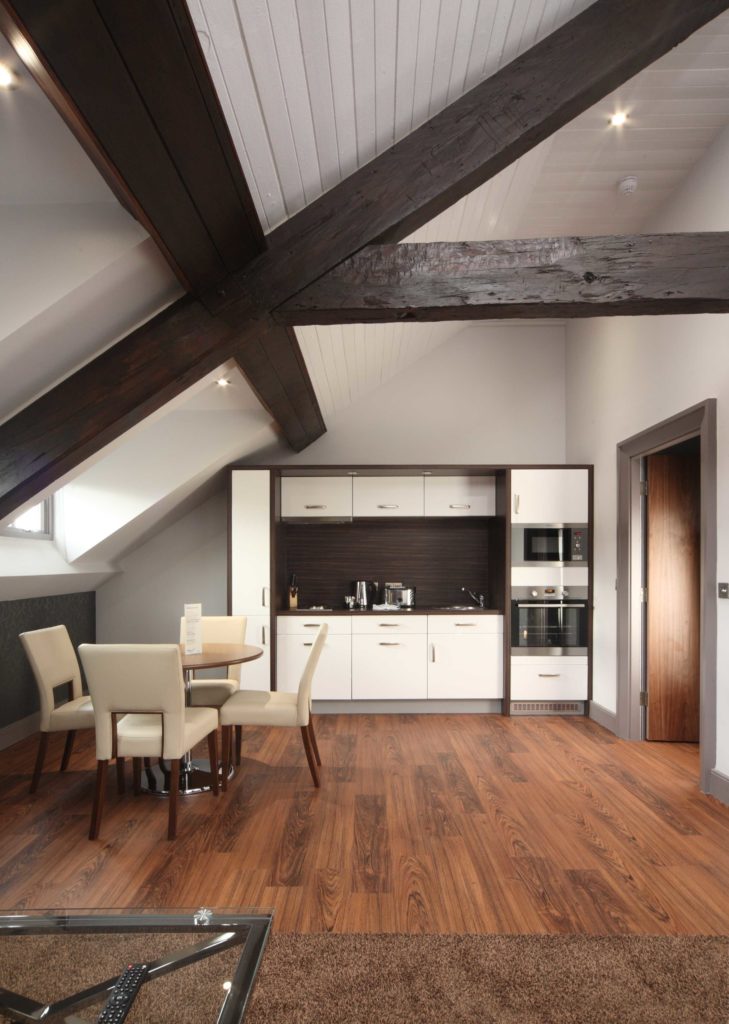
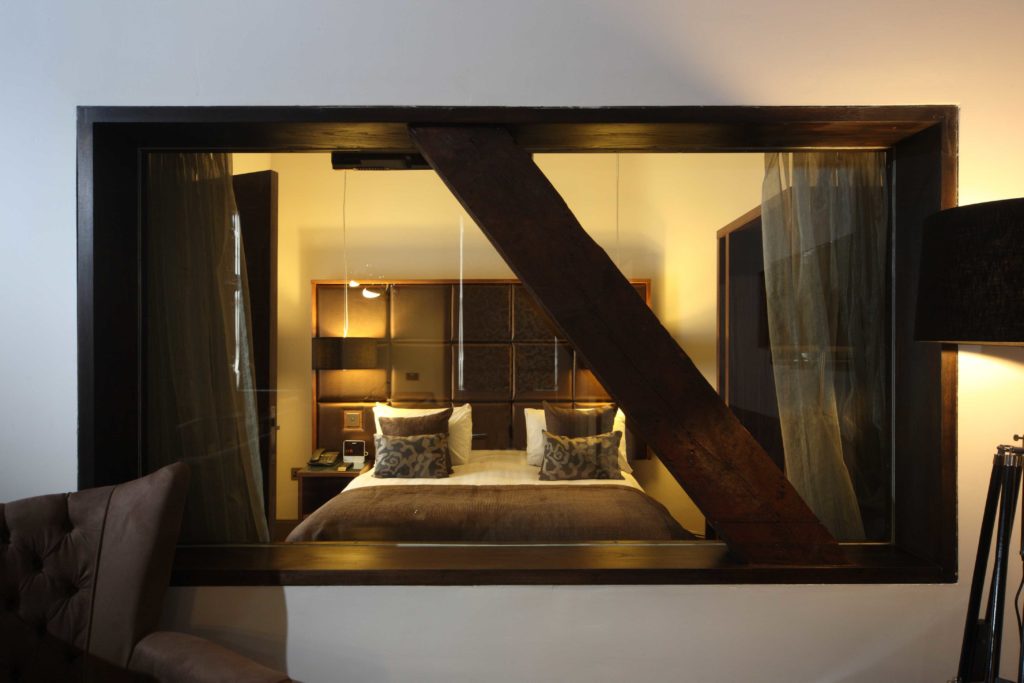
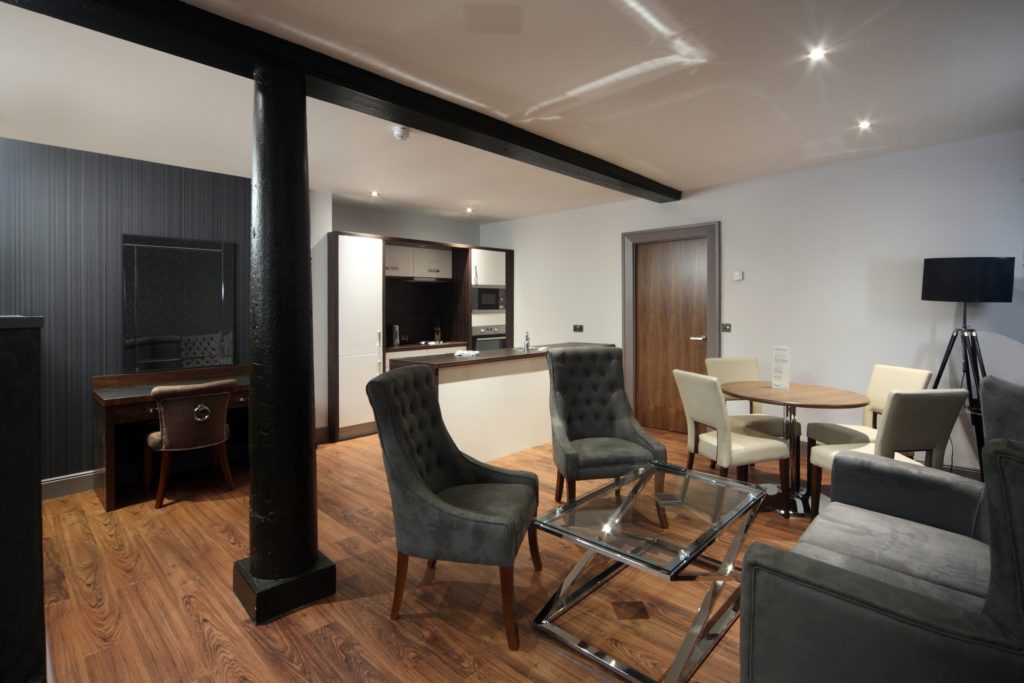
The large Georgian town house was in a poor state of disrepair when we took on the project to restore the grade II listed building and convert into a boutique hotel. Roomzzz Newcastle is an award winning which can now be enjoyed now by all. There are 14 suites over the five floors including a penthouse suite with mezzanine floor in the roof space. Proportions of key spaces have been retained employing  “Manhattan Lofts” style subdivision to create different moods within original proportioned spaces.
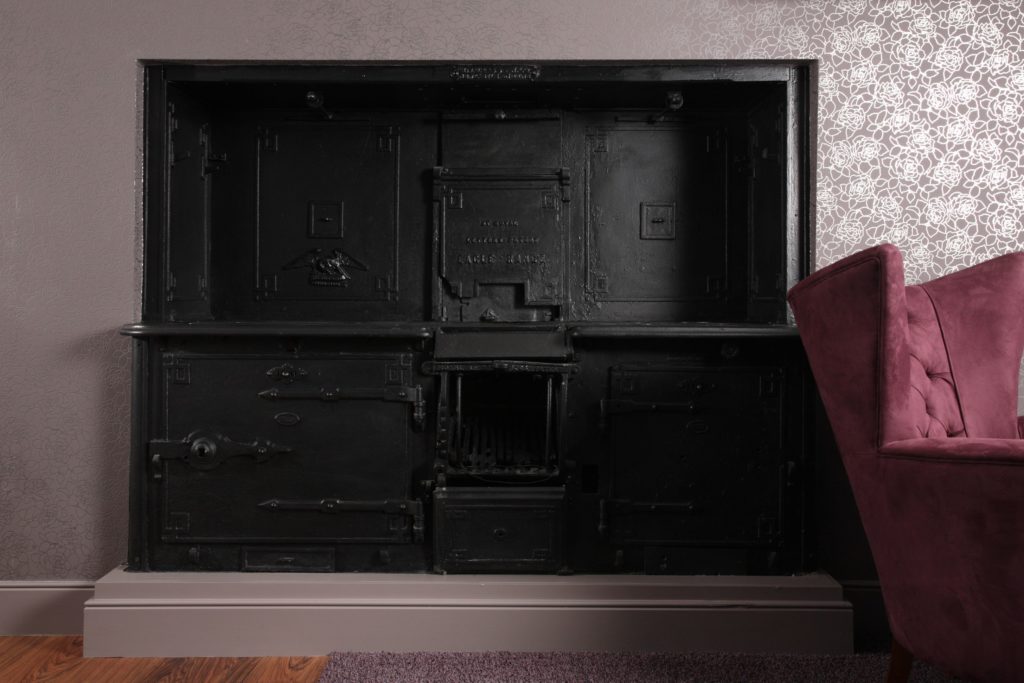
Numerous original features are highlighted in this building employing all the modern trappings hotel guests would expect with all the detail of a restoration project.
Awards

Newcastle Lord Mayors Awards – Conservation Award
RIBA North East - Emerging Practice of the Year
RIBA North East - Conservation Project of the Year
RIBA North East - Building Award
RICS North East - Tourism & Leisure Commendation

Greystone Grange House

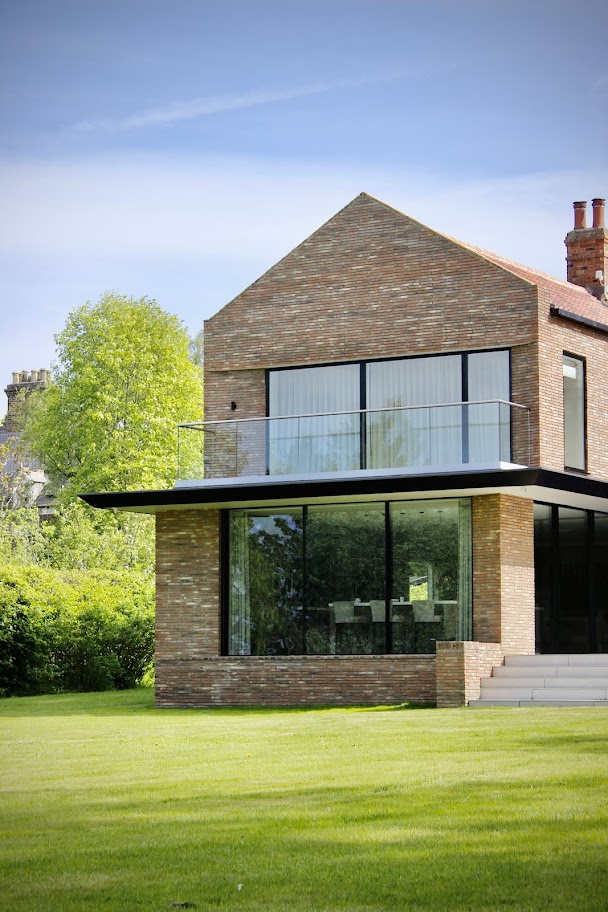
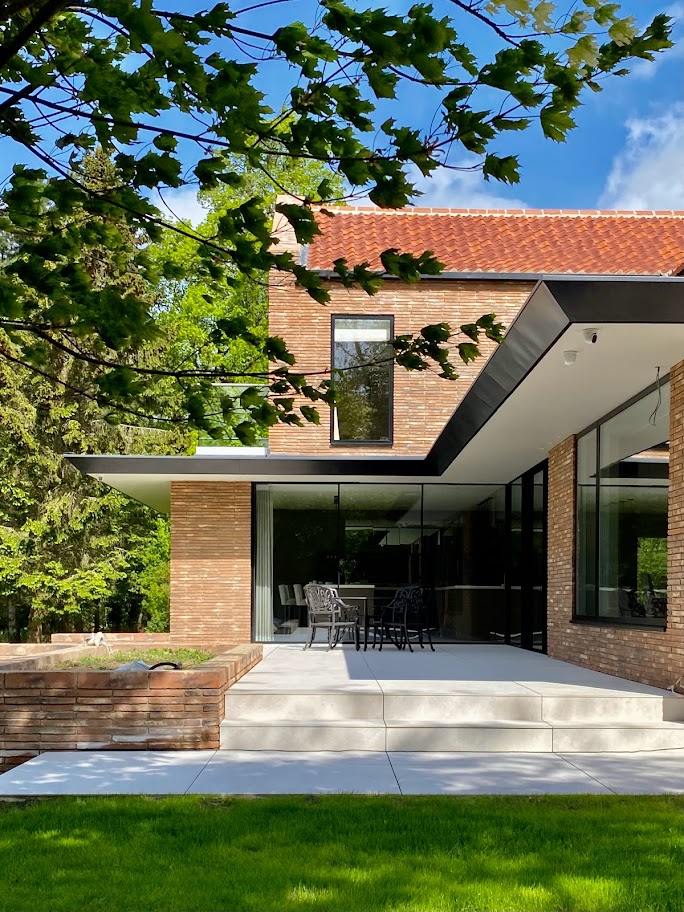
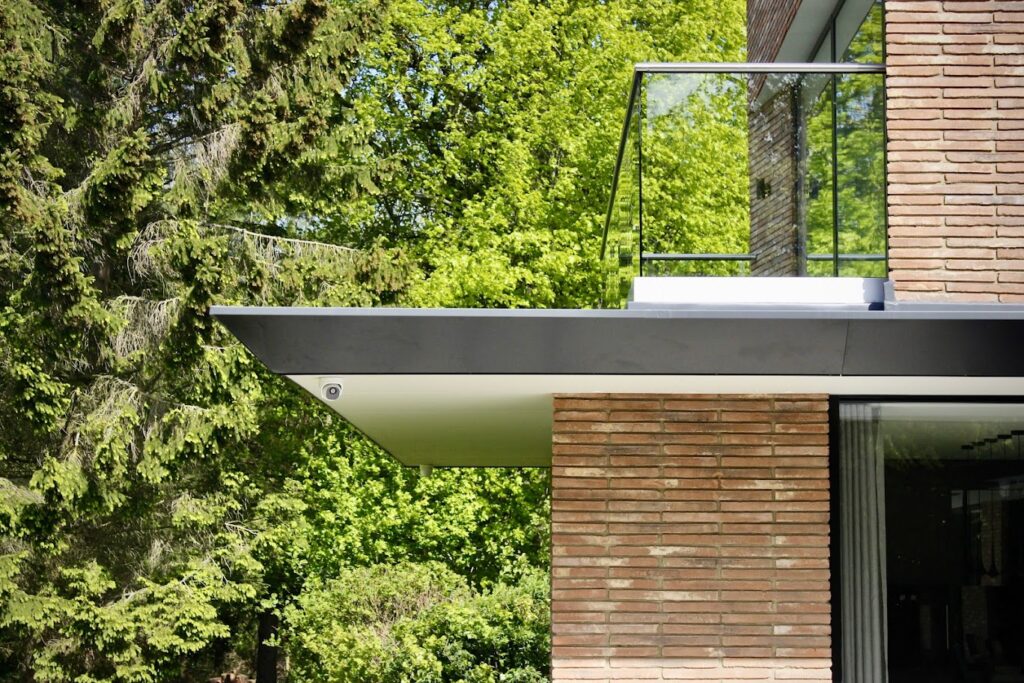
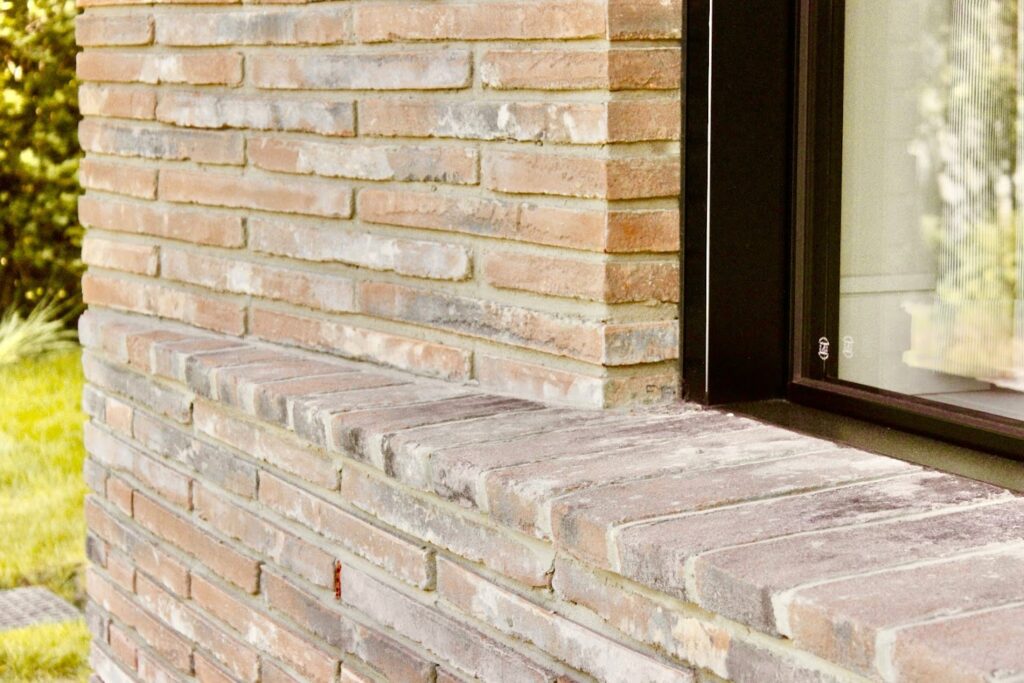
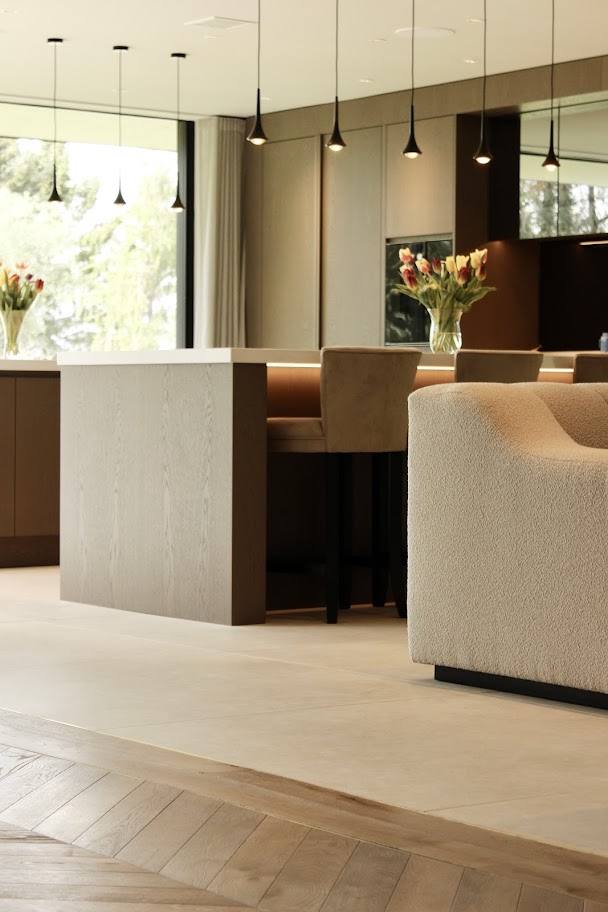
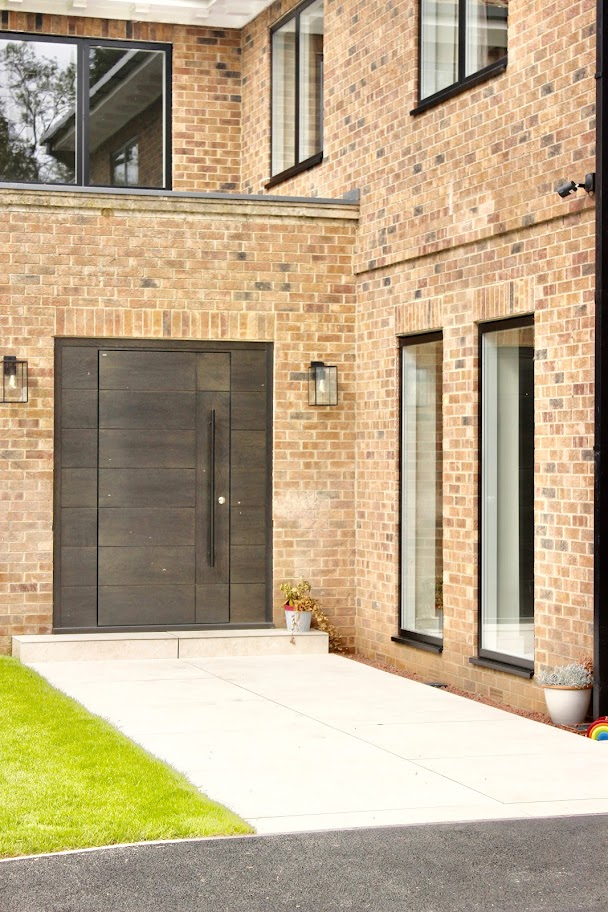
Situated in the countryside of Stockton–on–Tees, the client required a full refurbishment of their existing home - Greystone Grange. The brief described a respectful low energy family dwelling for the future incorporating a contemporary extension to the rear on both ground and first floors. Our architectural approach is sensitive, building on the existing palette of materials but using a brick with a modern twist. The elongated profile brick provides a contemporary feel and amplifies the linear form.
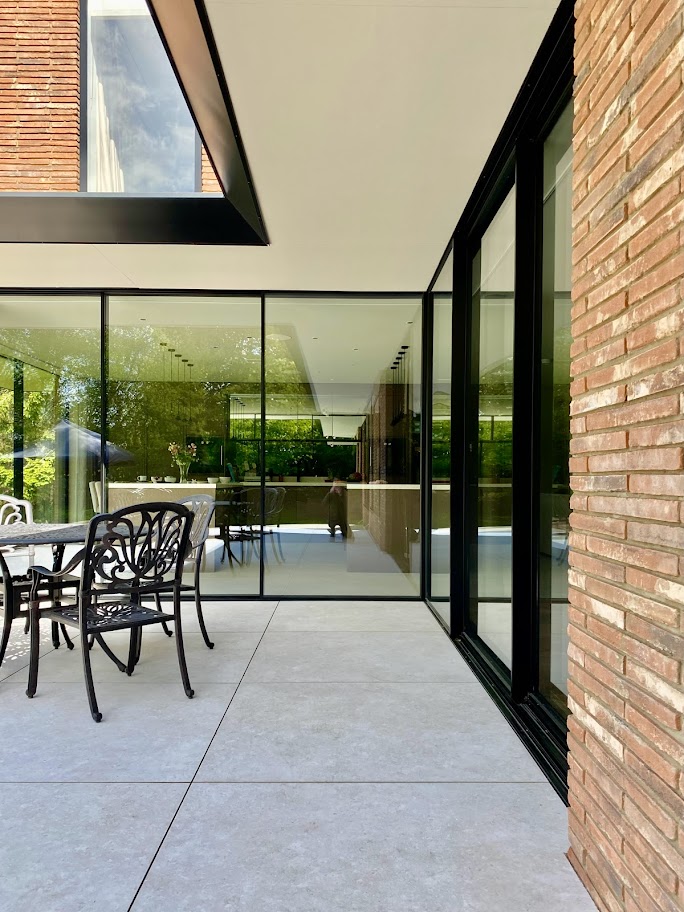
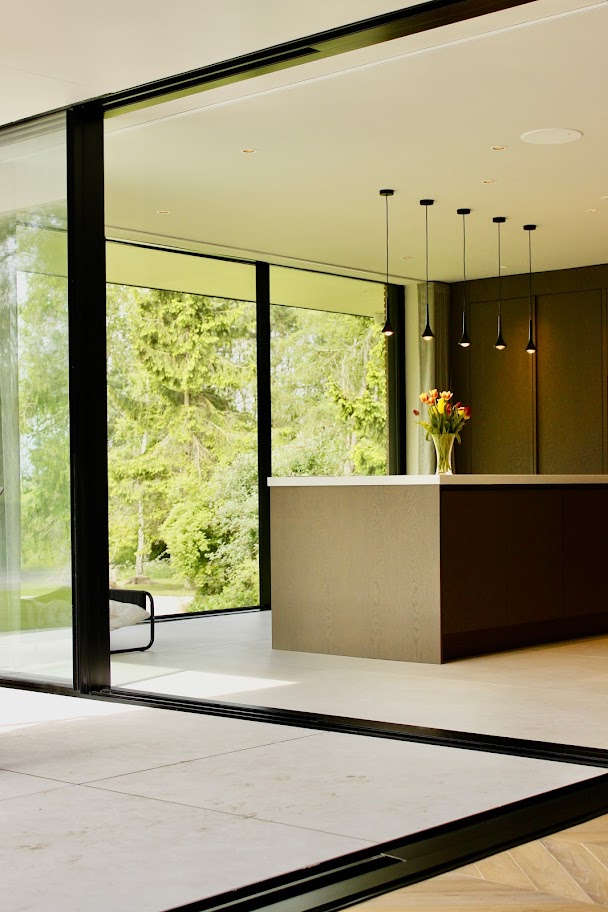
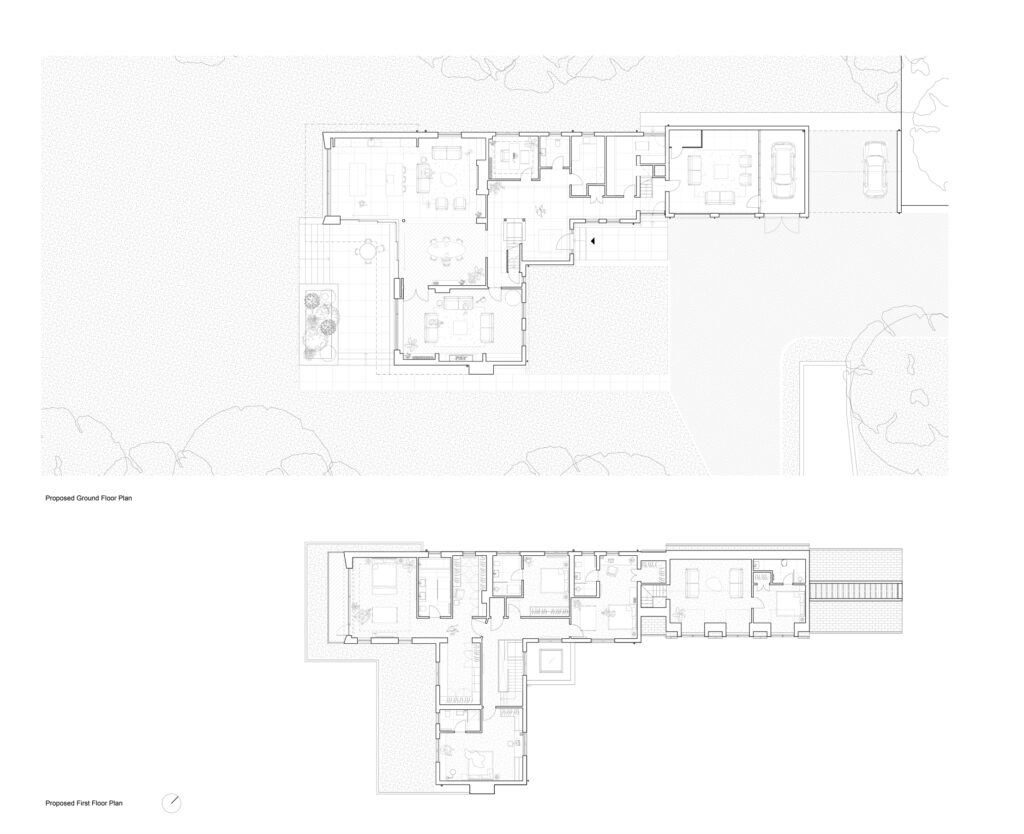
Connection with the garden was also important. Large openings created throughout the design encouraging connectivity between inside and out.  Internally, on the ground floor, large open plan living spaces were created to bring family and friends together. Whilst on the first floor, bedrooms are spread out to give each family member their own space. To the north east, a connected annex hosts quarters for the clients parents, future proofing the home for intergenerational living.
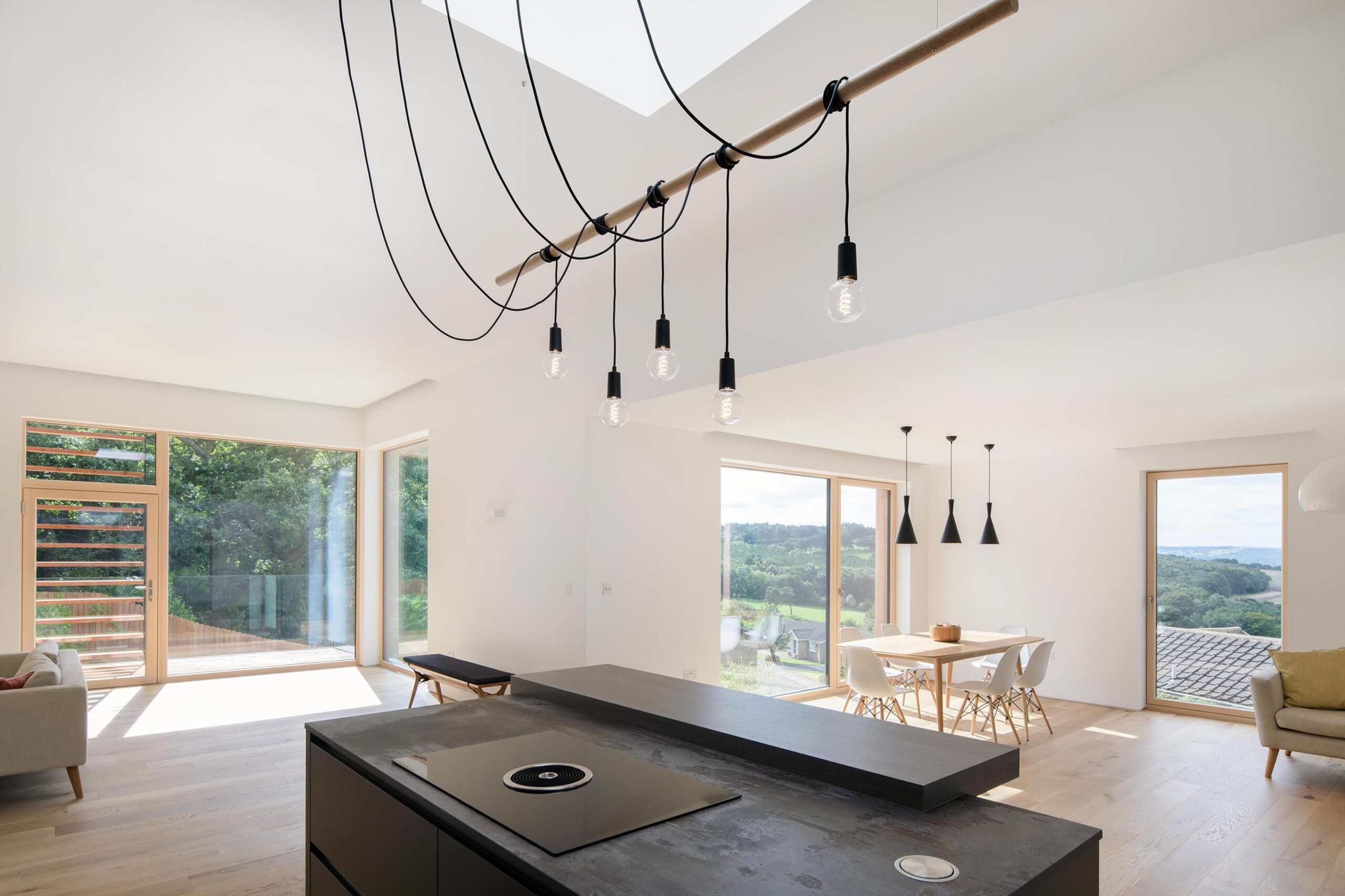
Creating a more sustainable home was also close to the clients and our hearts. Retaining the existing house this is retrofitted with thick cavity insulation and high performance windows. Meanwhile, the new rear extension uses highly insulated pre-assembled timber frame cassettes, coupled with a quality air tight layer and mechanical ventilation heat recovery system throughout to reduce heating demand, improve air quality and comfort. The rear canopy was designed with thermal comfort in mind. Providing solar shading when the sun is at its highest and hottest whilst letting sunlight deep into the plan in early and late parts of the day to passively heat the home. Greystone Grange illustrates how a deep home refurbishment can give a completely fresh lease of life to an existing house.

Greystone Grange MawsonKerr


Greystone Grange MawsonKerr


Greystone Grange MawsonKerr


Greystone Grange MawsonKerr


Greystone Grange MawsonKerr


Greystone Grange MawsonKerr


Greystone Grange MawsonKerr


Greystone Grange MawsonKerrGreystone Grange MawsonKerr

Sacred Heart High School Auditorium

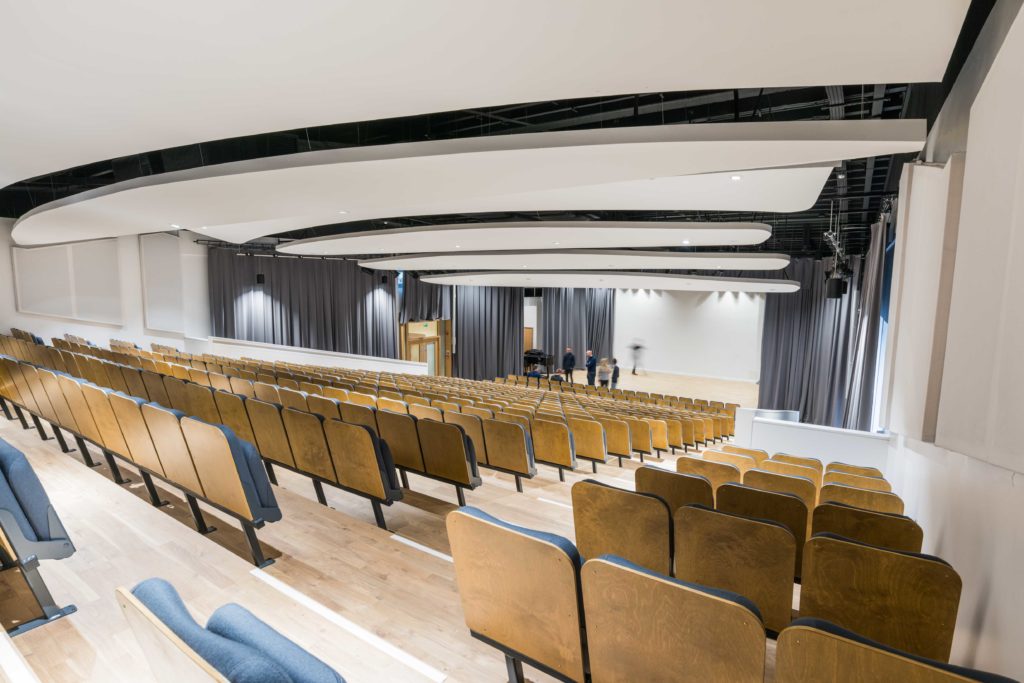
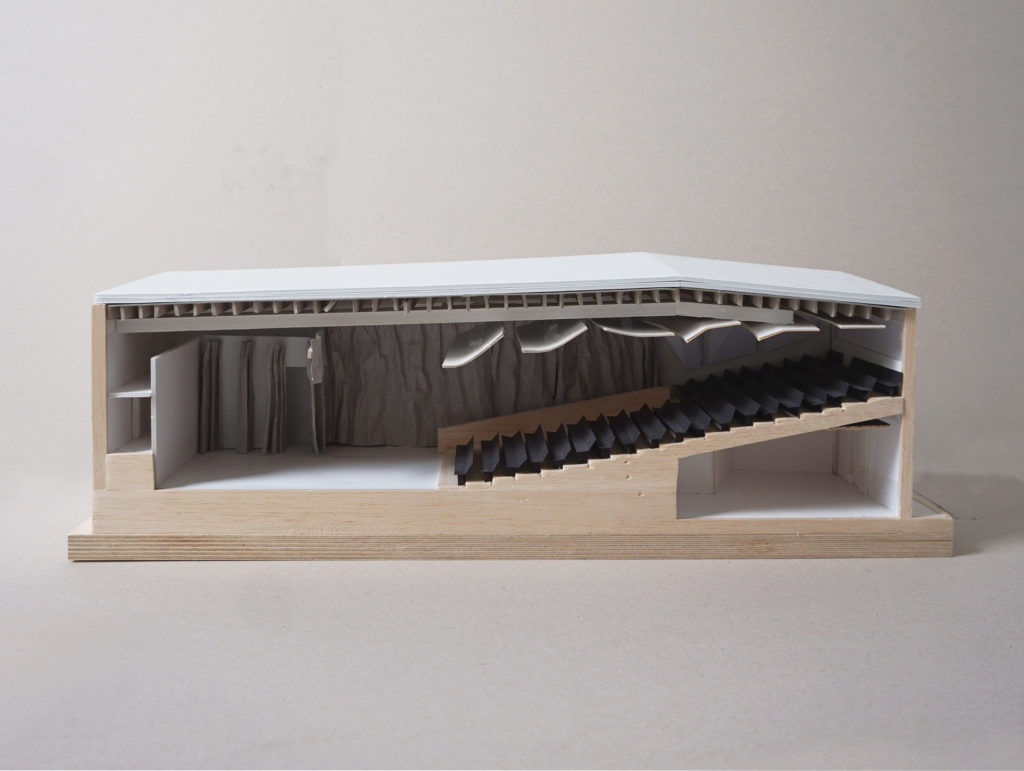
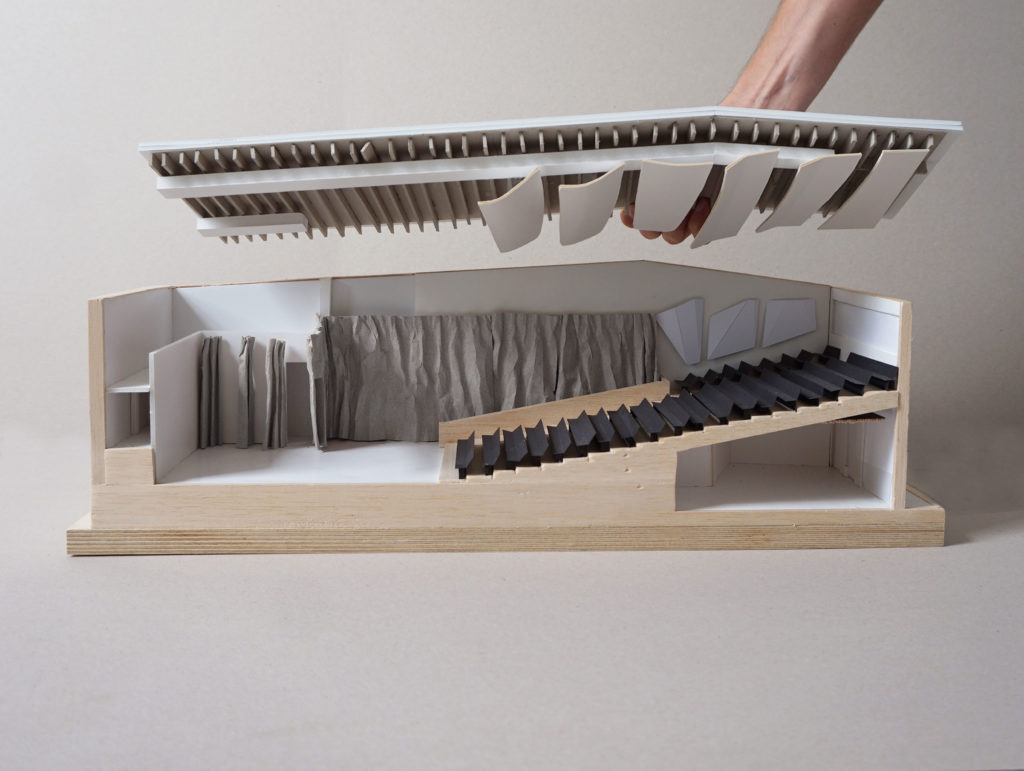
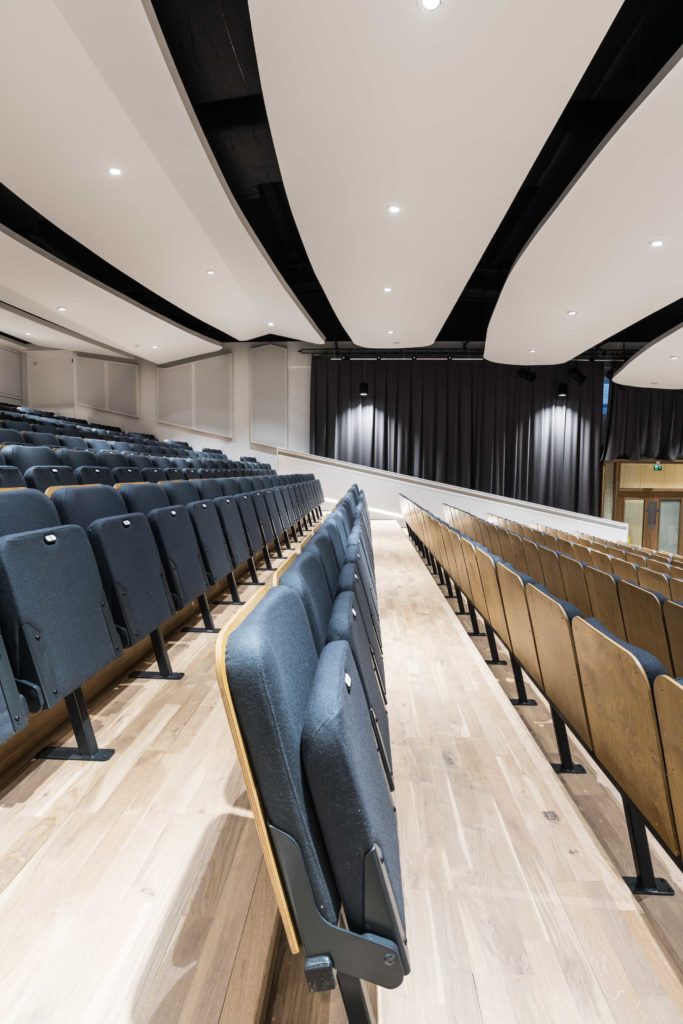
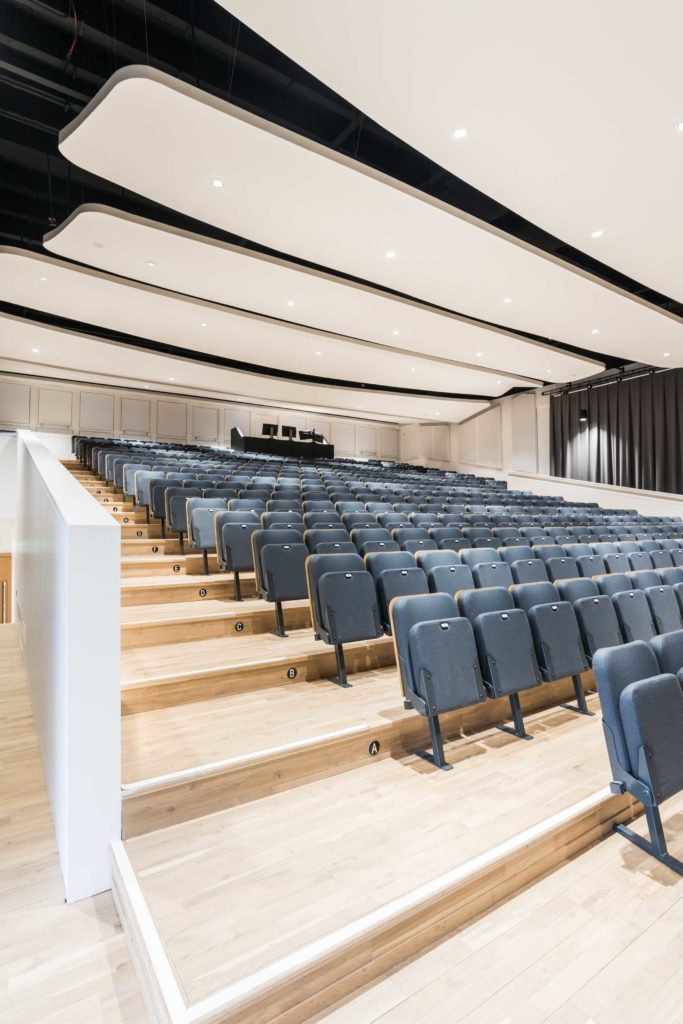
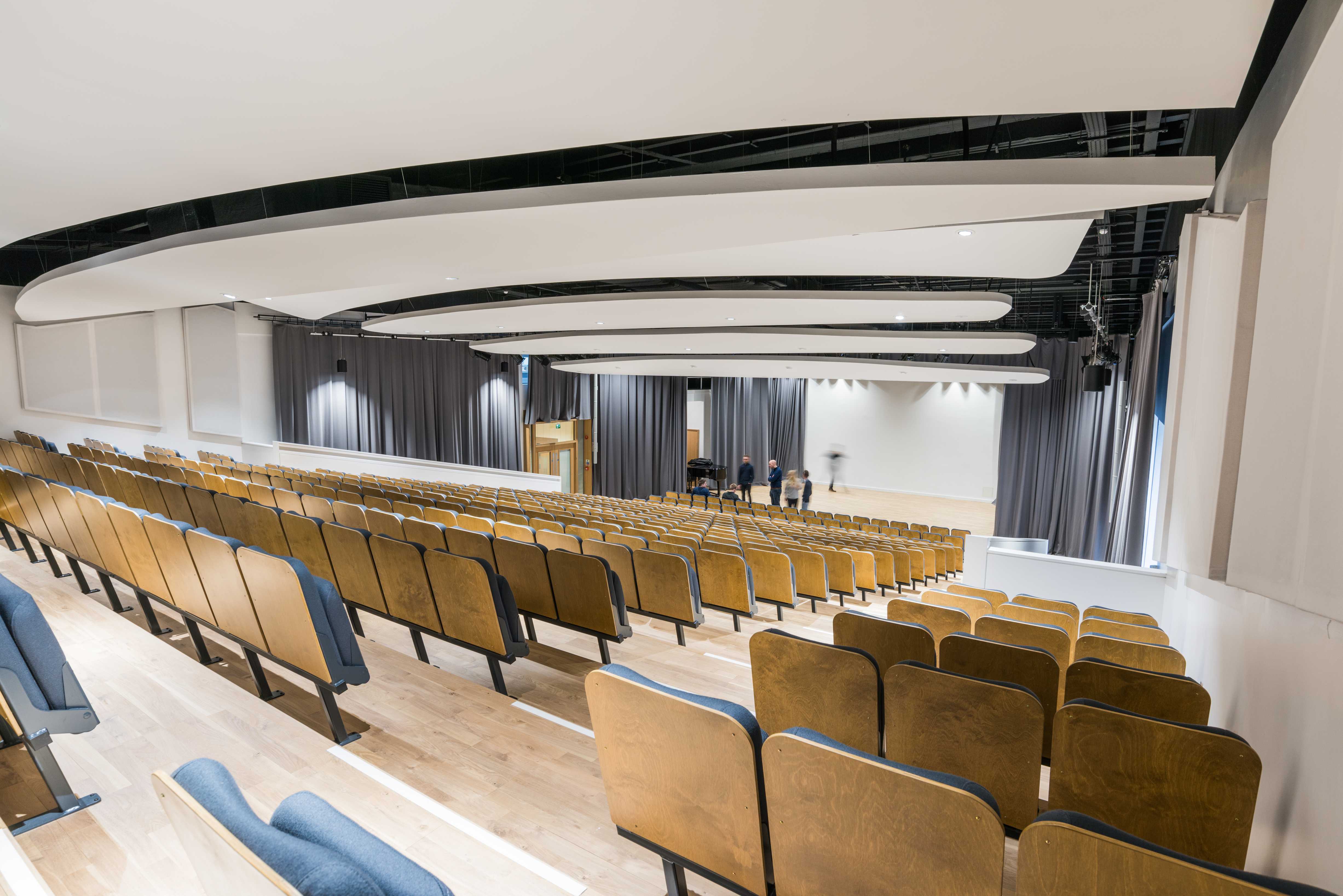
The existing auditorium space at Sacred Heart High School had become dated with a combination of poor sight lines and limited capacity leading them to our services in reimagining this space.

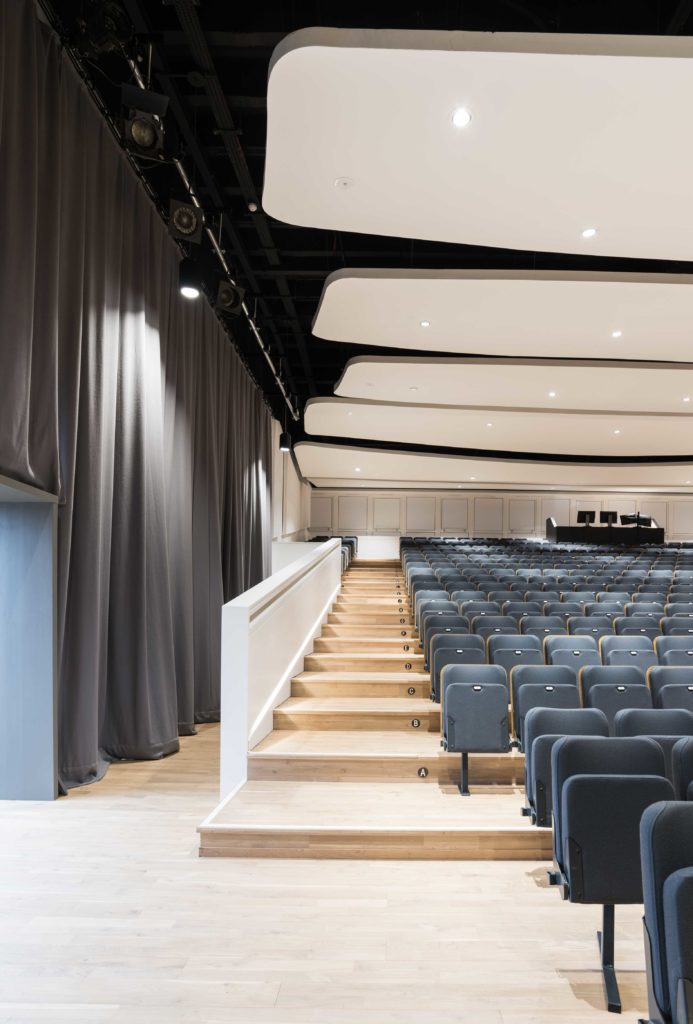
Following an initial appraisal we established the re-raking of the seating would serve a double benefit in also creating a new space underneath the auditorium where a new outward looking staff and assembly facility could be located for Sacred Heart High School. The auditorium is also intended for touring theatre companies including the RSC, the facilities have been developed to give this flexibility as well as providing a new dance / theatre teaching space during everyday use to maximise the impact of the works.

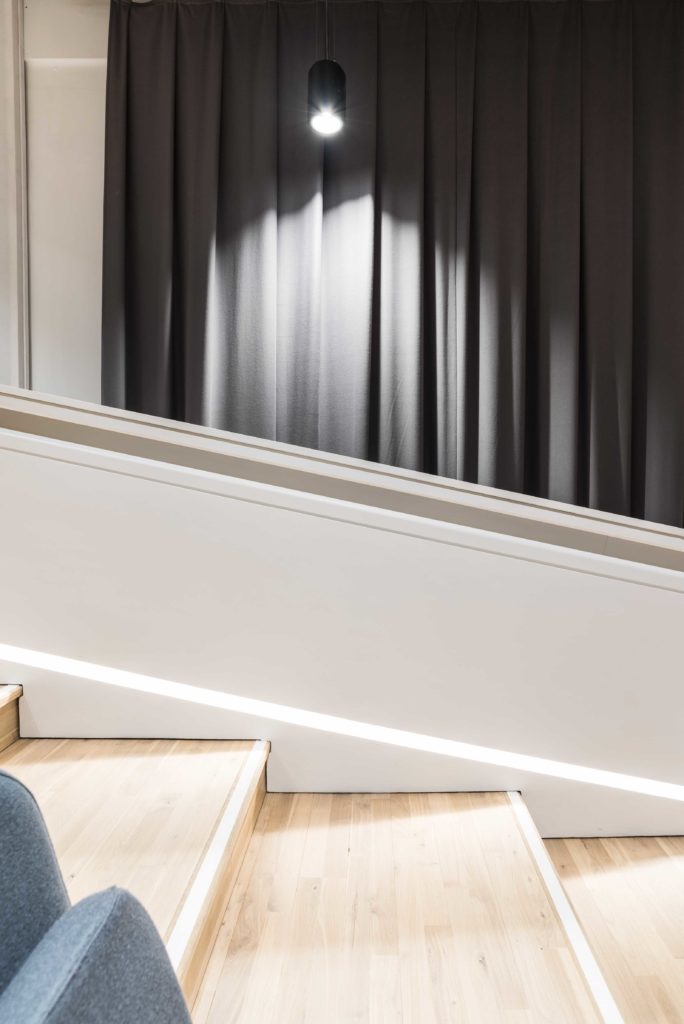
We developed a simple stripped back palette of natural materials and earthy colours with the school to give a calming feel and inspiring for the young performers. The staff area opens out to give expansive views of the wooded estate the school sits in.

The build was completed in the live school environment on the first floor space including substantial alterations to the existing concrete structure over six months.

Awards

Newcastle Lord Mayors Award - Small Project Award


Framwell House

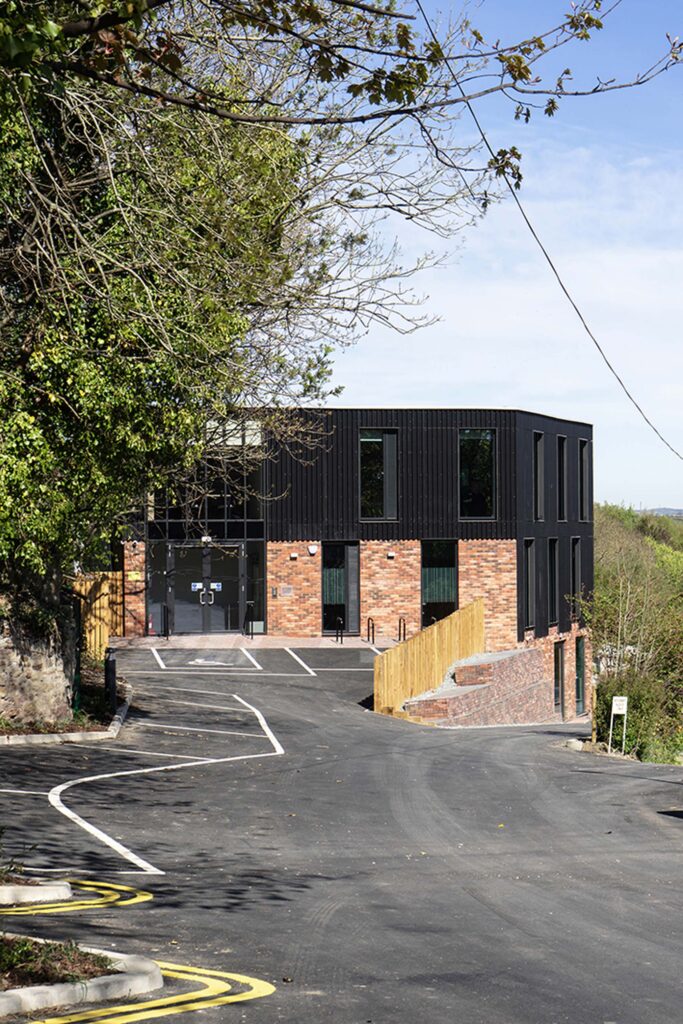
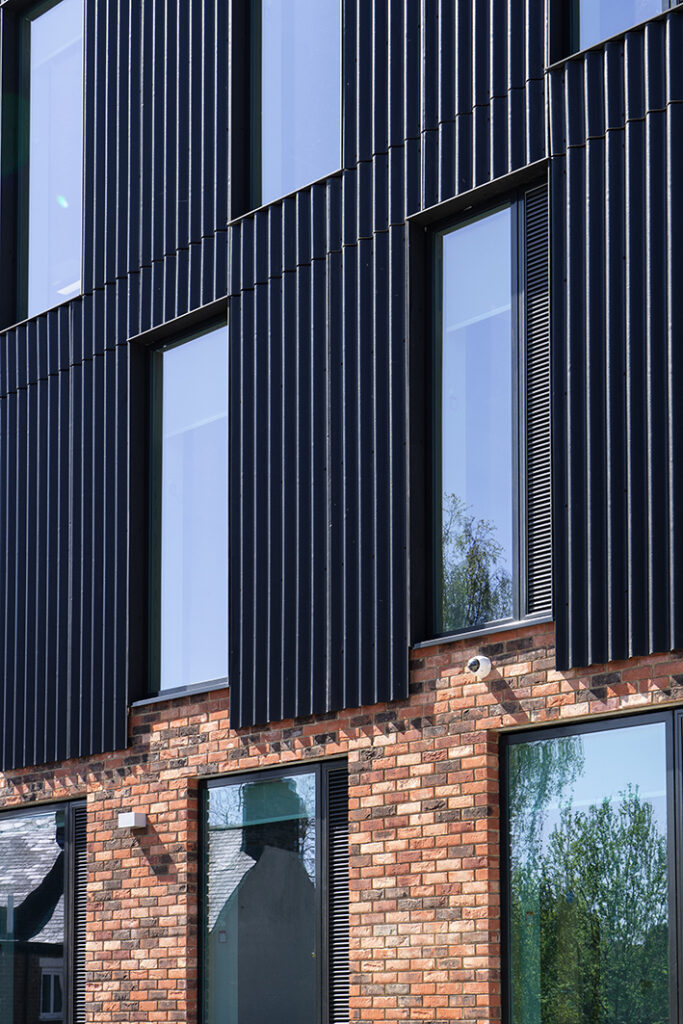
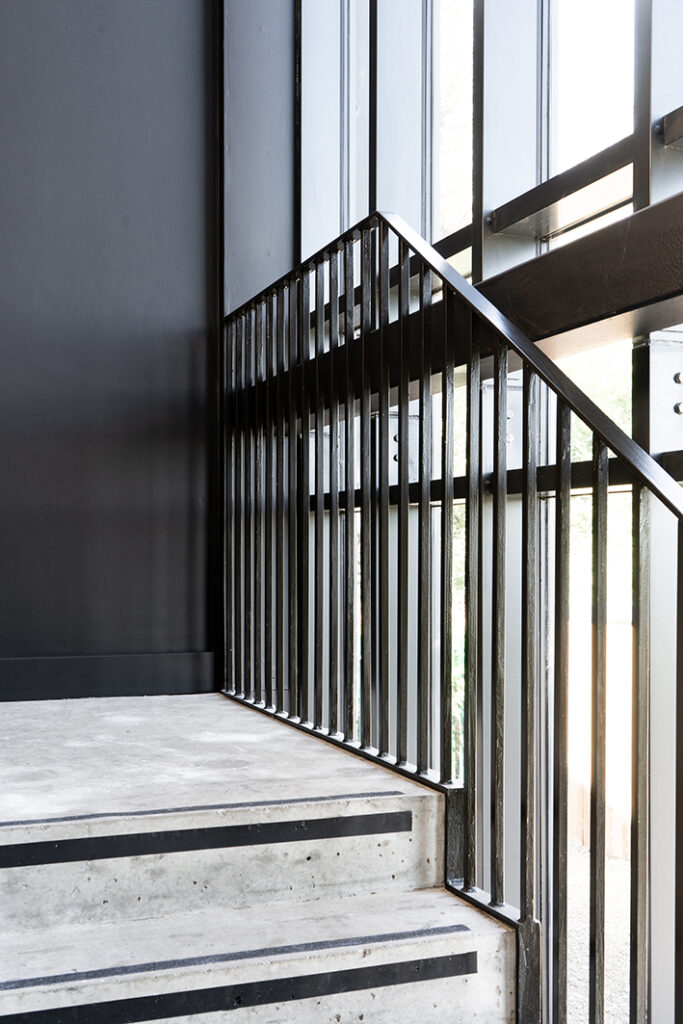
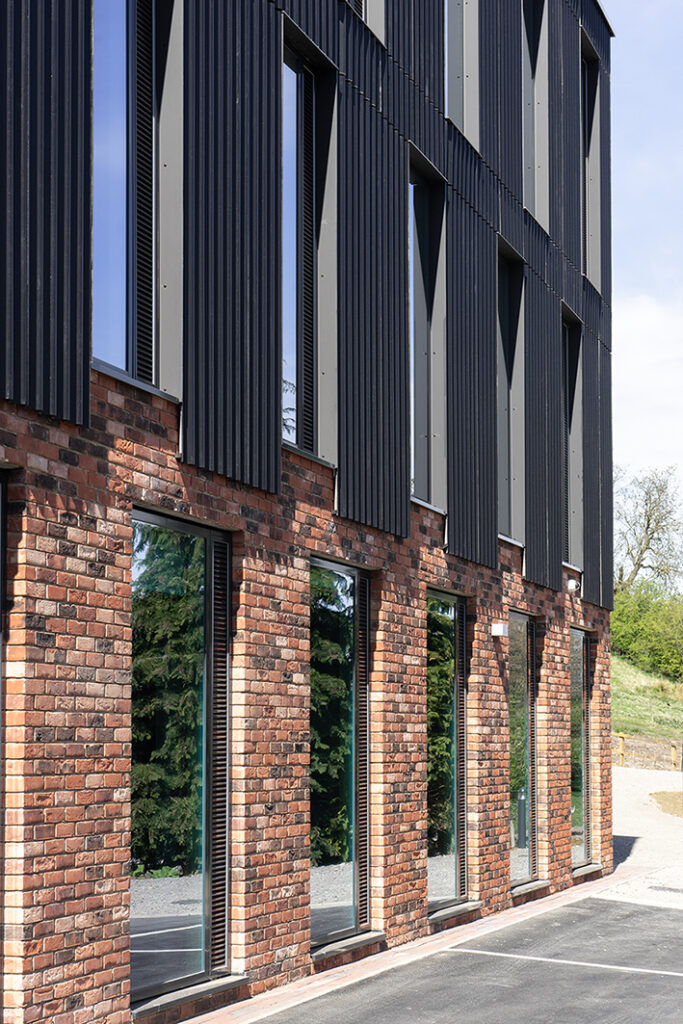
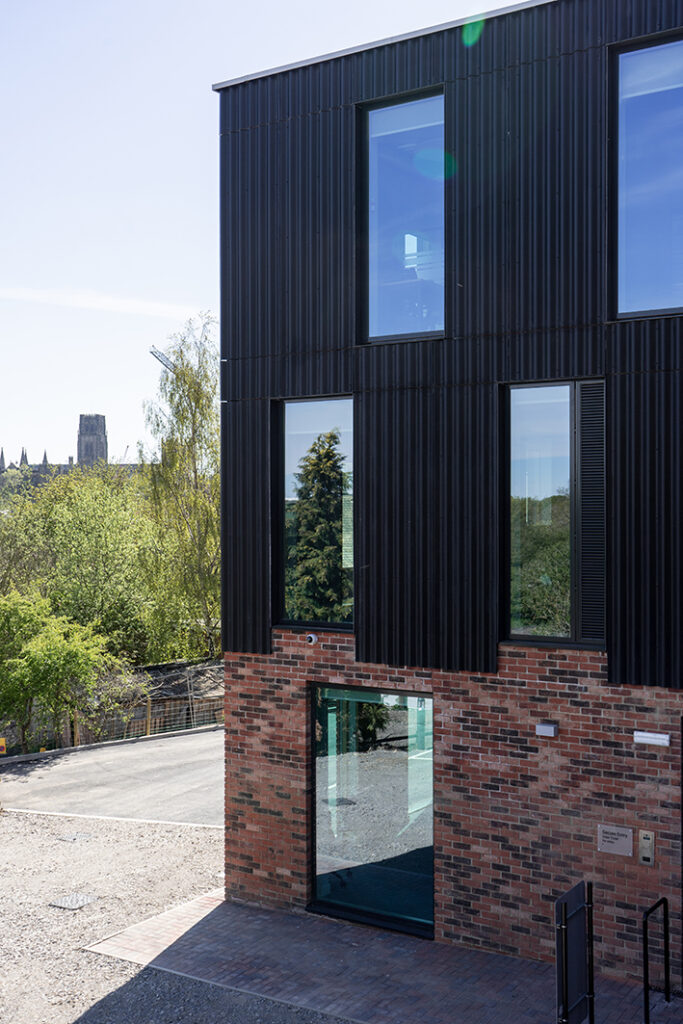
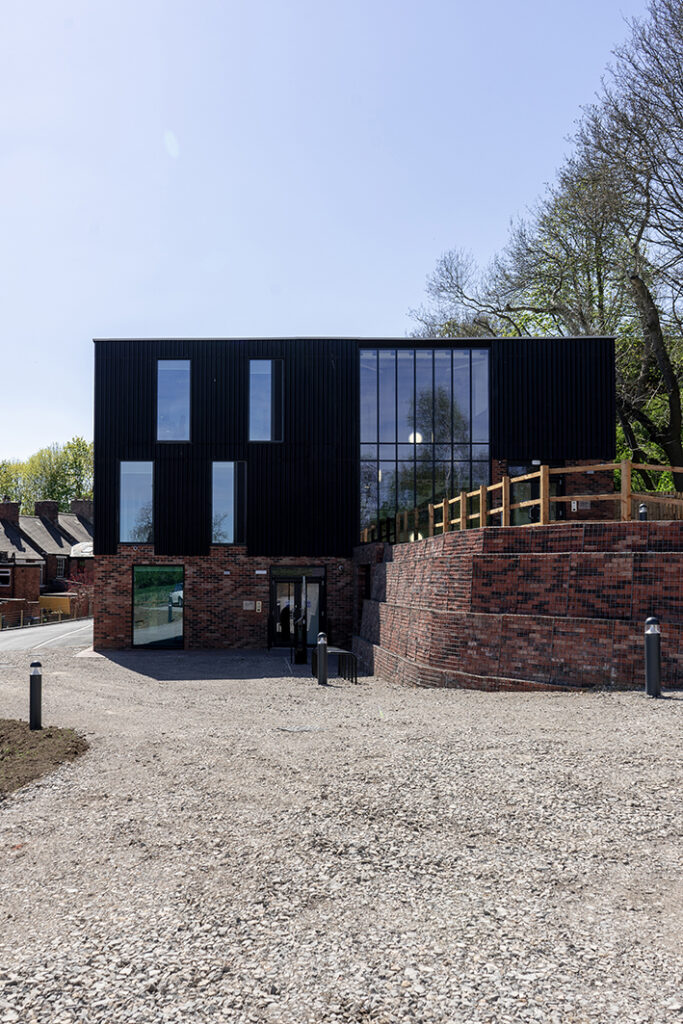
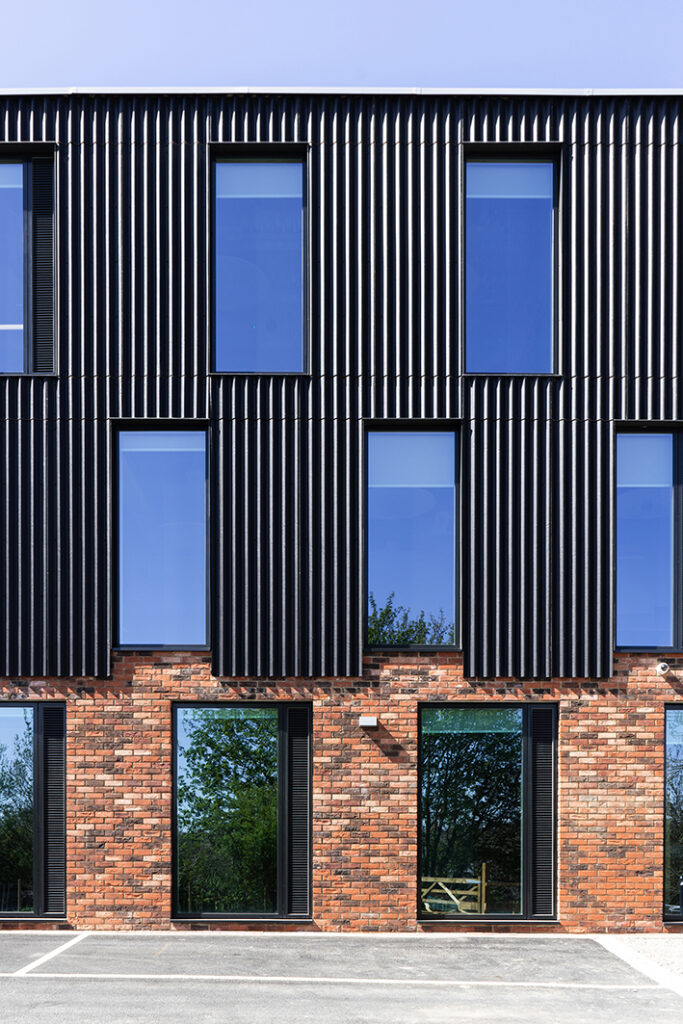
Framwell House is the first new build office in Durham City Centre for 10 years. It provides 1250sqm of high quality office space in the heart of the city. The building has been carefully sited on the sloping site allowing it to be more sympathetic to the conservation area. This includes the neighbouring Green Belt area and terraced housing. Taking cues from the industrial and rail heritage of the surrounding site, the building is clad in brick and corrugated panels. Using materials which are normally reserved for agricultural and industrial applications, the cutting-edge design and excellent craftsmanship makes for an excellence finished article. The design looked to reuse whatever materials we could from the existing building including the retaining walls, bricks and drainage.

"Hanro and its partner on this project Impec could not be more delighted with the outcome. The quality of the finished building, the commercial letting, and return were far more than client expectations."
Duncan Barrie, The Hanro Group

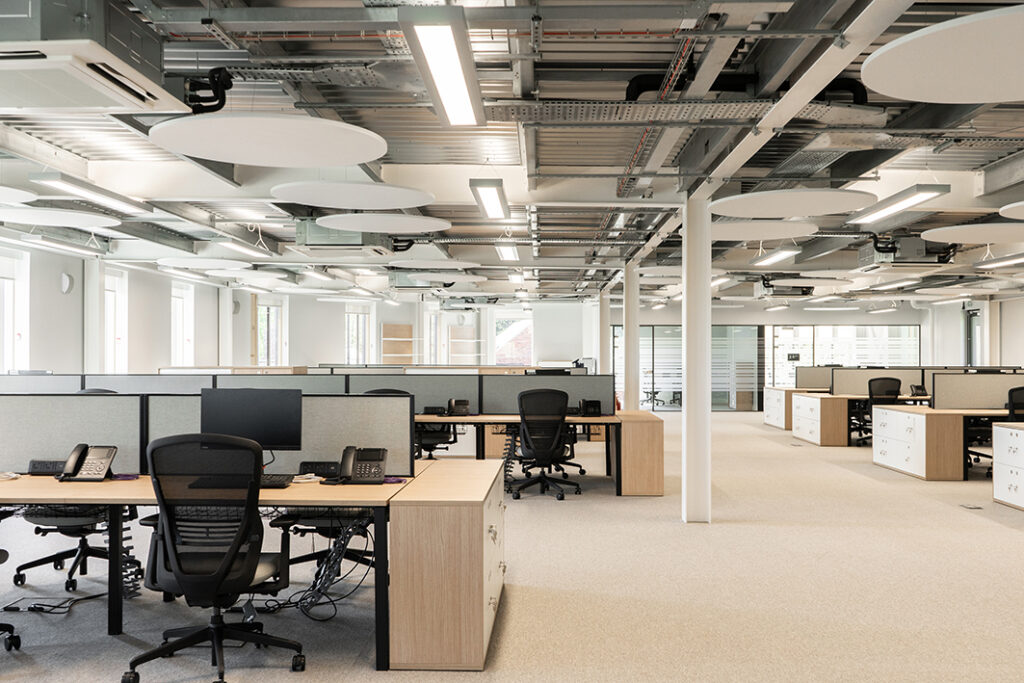
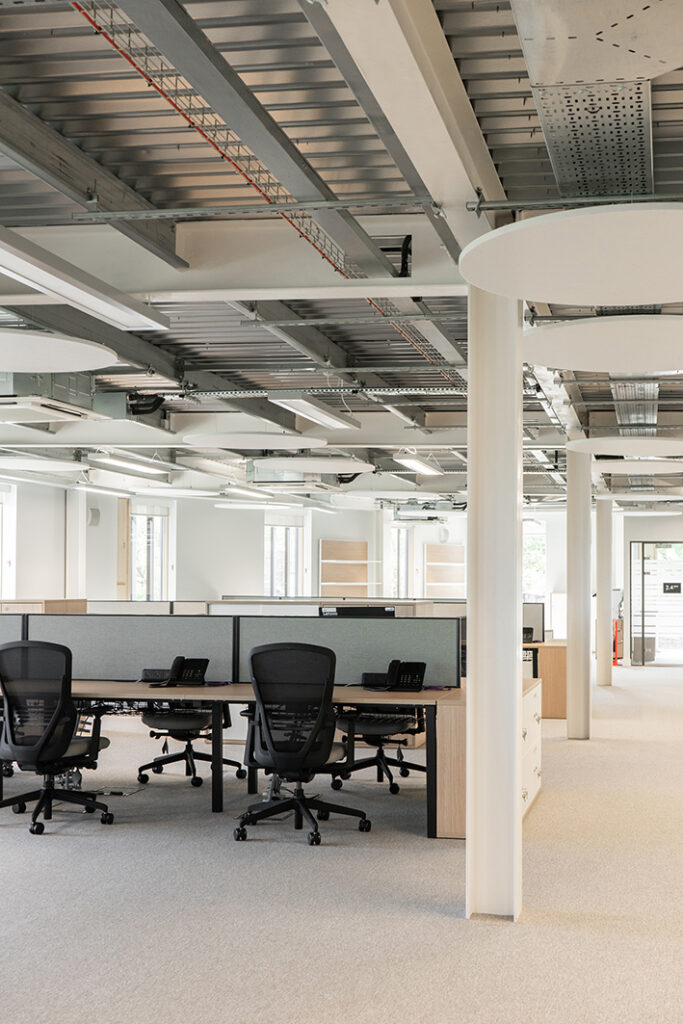
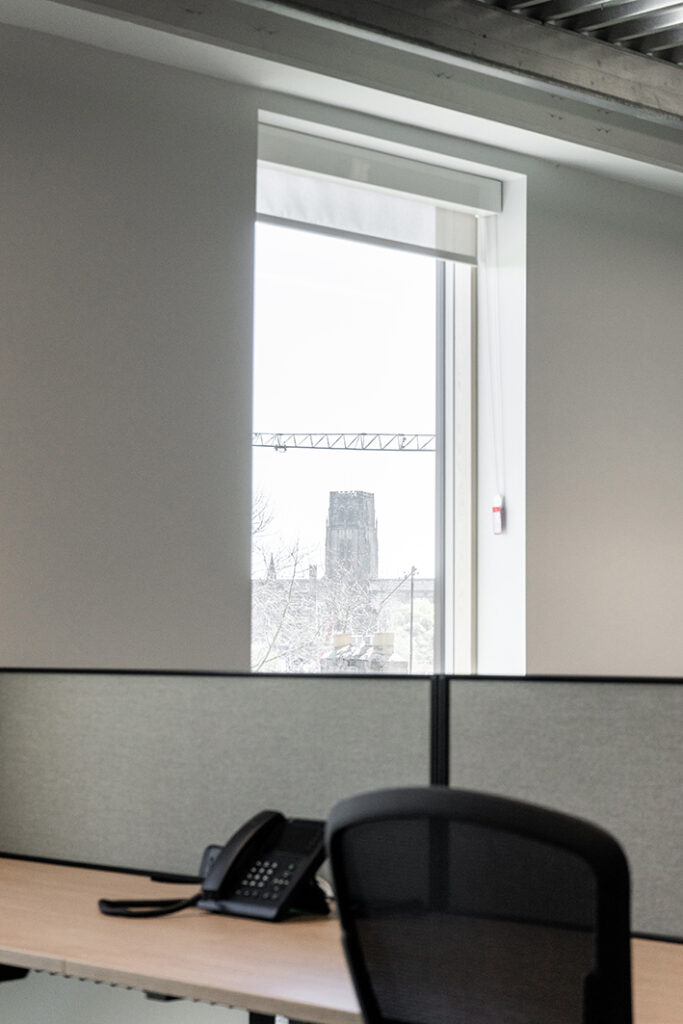
Internally the craftsmanship and high-quality detailing/finish continues throughout with exposed steel structure and services. The open plan offices are large light filled spaces with floor to ceiling windows providing expansive views of the city and Cathedral. As well as views the windows provide natural cross ventilation for the wellbeing of the user through ventilation panels. The office building is bedded into the surrounding landscape with an eco-friendly approach to car parking using permeable surfaces and water collection.

The building is occupied by Durham's Probation Service who had strict design requirements which were interpreted to ensure these worked with the ethos of the building in terms of retaining the wellbeing aspects and servicing strategies.

Awards

LABC Northern - Best Non Residential New Build

FramwellHouse MawsonKerr


FramwellHouse MawsonKerr


FramwellHouse MawsonKerr


FramwellHouse MawsonKerr


FramwellHouse MawsonKerr


FramwellHouse MawsonKerr


FramwellHouse MawsonKerr